
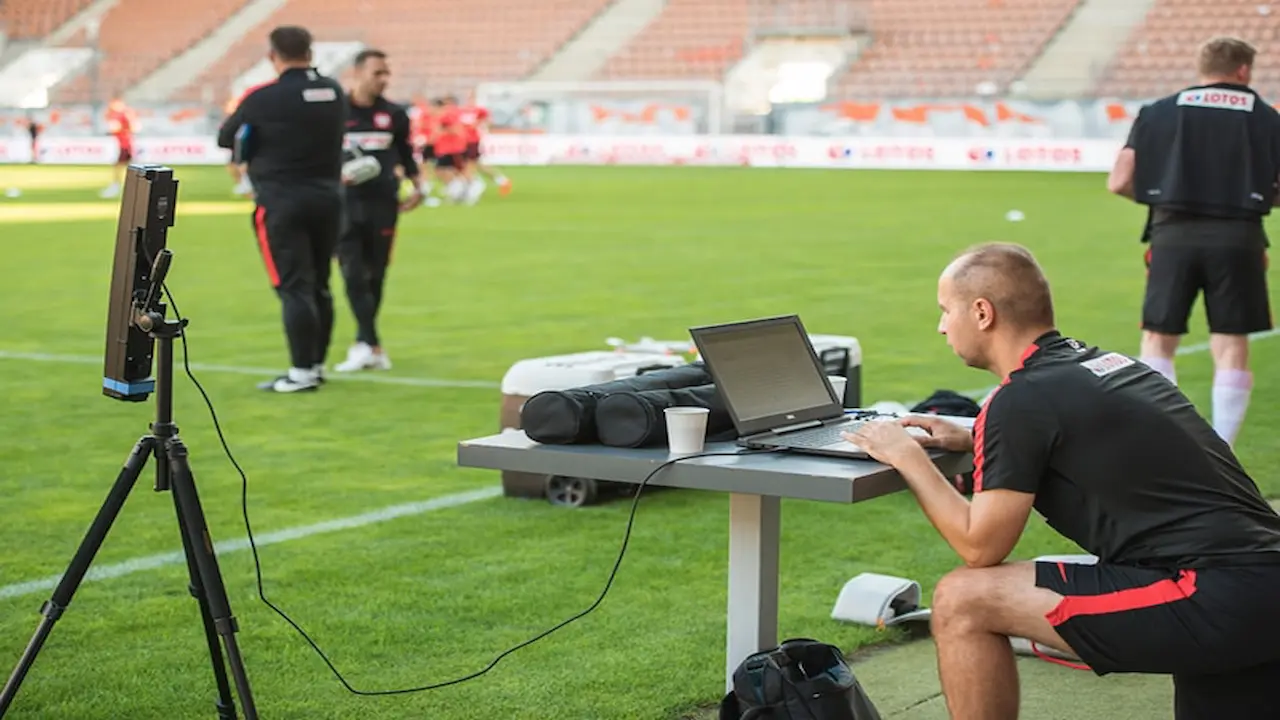
The league, experience, club level, technological tools and specialisation are the five main factors influencing how much a football tactical analyst earns in 2027. However, understanding the salary prospects in this profession is not as simple as checking a salary table: many clubs do not publish their financial conditions, and there are significant differences between working at an academy, a professional team or an elite analysis department.
The football analysis market continues to evolve. Video, data, technology and tactical interpretation are increasingly being combined, transforming the responsibilities of these professionals and the skills clubs are looking for.
Tactical analysis in football: a profession in evolution
Tactical analysis has become an integrated discipline within the professional structures of modern football. Analysts are no longer limited to watching matches and producing reports: they are involved in match preparation, performance evaluation, opposition analysis and, at certain clubs, player recruitment processes.
This evolution is also supported by scientific research. An academic review published in 2026 in the International Journal of Sports Science & Coaching, which analysed 36 studies on the work of performance analysts in football, identifies a transformation in their responsibilities: moving from data collection towards interpreting that data and translating it into useful information for coaches and players.
The study also highlights the growing importance of technological, pedagogical and communication skills, as well as challenges related to defining responsibilities and career progression.
This transformation has a direct consequence for anyone looking to work in this sector: knowledge of the game remains essential, but the ability to interpret information, use specialised tools and communicate insights that support decision-making is becoming increasingly important.
How much does a football tactical analyst earn in 2027?
A football tactical analyst's salary depends mainly on the country, the team's division, the type of position and professional experience. There is no international statistic that provides a reliable average salary across all leagues. Therefore, it is important to distinguish between salaries published in actual job advertisements and general industry estimates.
One of the most useful studies for understanding the market is the PFSA Football Scout and Analyst Salary Report 2026, published in November 2026. The report analyses more than 100 job advertisements, recruitment data and academic studies, distinguishing verified figures from estimates.
Based on these figures and the trends available for 2027, we can establish the following indicative salary ranges:
- Internships and entry-level positions: these may be unpaid or offer limited financial compensation. In English football, the report identifies paid internships ranging from £16,380 to £17,485 per year for certain part-time positions.
- Academy analyst: the report includes a verified job advertisement offering £26,250 per year for a performance analyst at a Category 1 academy in England.
- First-team analyst in English professional divisions: between £22,000 and £26,500 gross per year in the verified job advertisements analysed.
- First-team analyst in the Premier League: between £35,000 and £80,000 per year as an indicative market estimate, rather than a range supported by published job advertisements.
- Data analysis specialist: from approximately £40,000 per year in certain positions at professional clubs.
- Head of Analysis: the report includes a verified job advertisement offering £90,000 per year for a Head of Football Insights position at a Premier League club.
These figures represent gross annual salaries in pounds sterling and relate to the British market. They should not be interpreted as a worldwide salary average or a guaranteed prediction for 2027.
The main conclusion is that there is a significant difference between entry-level positions and specialised roles. However, experience, responsibilities and the type of organisation employing the analyst all play a decisive role in career progression.
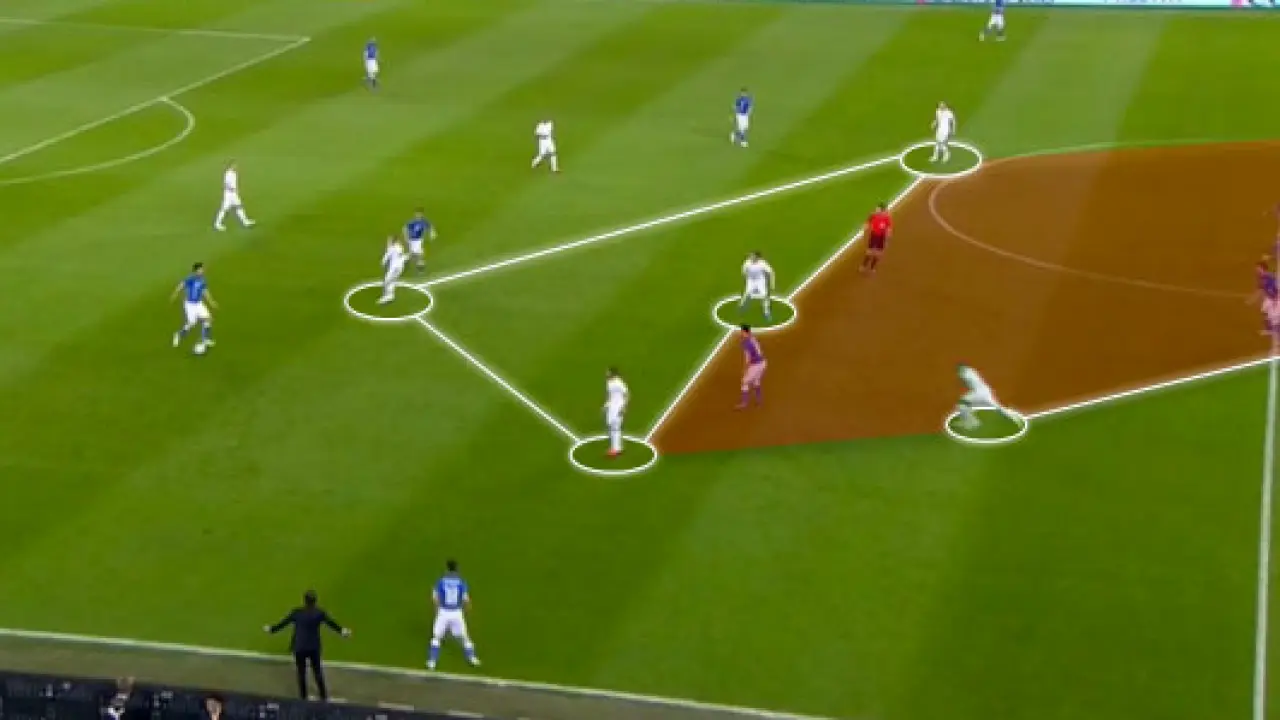
How much does a tactical analyst earn depending on the league and country?
The country and competition influence the financial opportunities available to tactical analysts, but there is not always enough publicly available data to establish reliable salary comparisons. A club's budget, the level of responsibility and the specialisation required for the position can be just as important as the league in which the analyst works.
LaLiga and Spanish football
In Spain, there is no consolidated public statistic that establishes a specific average salary for tactical analysts working in the First Division, Second Division or Primera Federación.
Financial conditions can vary considerably between a professional club with a structured analysis department and a lower-budget organisation where the analyst takes on several responsibilities simultaneously.
There are also differences between first-team analysts, academy analysts, performance analysts and data specialists. Therefore, using a single salary range to represent the entire Spanish market would not be advisable.
An interesting reference point is the market for data professionals working with Spanish football clubs. In March 2024, a job advertisement for a Data Analytics Manager at RC Celta offered an annual salary of €35,000 and required knowledge of Python, R, SQL and data visualisation tools.
This position was not a conventional tactical analyst role, but it demonstrates that specialists in data can access different financial opportunities within the football industry.
Source: RC Celta Data Analytics Manager job advertisement.
Premier League and English football
England is one of the markets where we can find the most detailed salary information for football analysis professionals.
The 2026 PFSA report includes verified job advertisements offering between £22,000 and £26,500 per year for first-team analysts across different levels of English football. It also identifies an offer of £26,250 for an academy performance analyst.
In more specialised positions, salaries can increase considerably. A job advertisement for a Head of Football Insights at a Premier League club offered £90,000 per year in October 2026.
Furthermore, specialists in data science can find opportunities outside traditional sporting departments. The report includes salaries ranging from £66,000 to £111,000 for senior data scientists working at technology companies connected to football.
It is important not to confuse these positions with those of a first-team tactical analyst: their responsibilities, required skills and business environments are different.
Source: PFSA Football Scout and Analyst Salary Report 2026.
Serie A and Bundesliga
Italy and Germany have professional structures for performance analysis, recruitment and player development. However, publicly available data does not allow us to establish a specific and sufficiently representative salary range for tactical analysts working in either competition.
The PFSA international report includes some salary references from platforms covering these markets, but it warns that the samples are limited and do not always reflect the actual salaries paid by clubs.
Therefore, when evaluating a job offer in these countries, it is more useful to consider the specific position, responsibilities, level of responsibility and the organisation's budget rather than relying on a general league-wide average.
United States, Saudi Arabia and other emerging markets
The international market offers additional opportunities for analysis professionals, particularly within organisations that are developing their performance and recruitment departments.
In the United States, salary information is more transparent because certain states require employers to disclose compensation in job advertisements. For example, the PFSA report includes a Chicago Fire job advertisement for an Academy Analysis Manager offering between $75,000 and $85,000 per year.
It also identifies offers ranging from $50,000 to $60,000 for a video analyst at Brooklyn FC and between $60,000 and $65,000 for an academy performance manager at D.C. United.
Saudi Arabia and Qatar also offer opportunities linked to investment in football and the development of professional structures. However, there are not enough verified public salary advertisements to establish a reliable general salary range for foreign analysts working in these markets.
In all these destinations, it is important to consider net salary, taxation, accommodation, insurance, travel expenses and contractual conditions, in addition to the advertised salary.
Factors that determine a football tactical analyst's salary
Beyond the league itself, there are specific factors that explain why two analysts working in the same country can have very different financial conditions. The club's level, experience, specialisation and technological expertise are among the most important variables.
Club level and competition
An organisation's budget and sporting structure directly influence its recruitment capabilities.
A club competing in European competitions may have a specialised analysis department, whereas a lower-budget organisation may need a professional capable of analysing their own team, opposition teams and providing support to the sporting director.
However, working in a higher-level competition does not automatically guarantee a higher salary. The type of contract, responsibilities and the value the club places on its analysis department must also be considered.
Professional experience and specialisation
Experience is one of the factors that has the greatest influence on professional development. However, clubs do not simply value the number of years worked: they also look for demonstrable results, adaptability and experience in competitive environments.
The PFSA report states that 16 of the 20 analyst job advertisements examined in detail required previous experience in professional football, even for positions offering entry-level salaries.
Specialisation can also open up new opportunities. Some of the most common profiles include:
- Opposition analyst and match preparation analyst.
- First-team performance analyst.
- Recruitment and scouting analyst.
- Set-piece specialist.
- Academy performance analyst.
- Data analyst and Head of Analysis.
The more specific the responsibilities, the more important it becomes to demonstrate knowledge and experience directly related to the position.
Knowledge of technological tools
Knowledge of specialised software is an essential skill for working in modern football analysis.
Some of the most widely used tools include:
- Hudl Sportscode: for tagging actions, organising video sequences and producing reports.
- Nacsport: for video analysis, event coding and preparing presentations.
- Wyscout: for accessing matches, players and statistics from different competitions.
- Opta and StatsBomb: for working with event data and advanced metrics.
- Python and R: for processing information, developing models and creating visualisations.
- SQL and Power BI: for querying databases and communicating results through dashboards.
The importance of these skills is also reflected in the PFSA report: among the 20 analyst job advertisements examined, 55% mentioned Hudl Sportscode or Studio, while 45% required knowledge of Python, R or SQL.
If you want to explore the tools used by professionals in the industry, take a look at our guide: The Best Football Analysis Software: Video Analysis and Data Tools.
Ability to communicate and interpret information
A good analyst is not simply someone who knows how to use software or collect statistics. Their main value lies in transforming complex information into insights that the coach can understand and apply.
Communication, the ability to summarise information and tactical knowledge are essential skills to ensure that analysis has a real impact on team performance.
Academic research into the evolution of the analyst's professional profile also highlights this transition: moving from collecting data to interpreting, contextualising and communicating it effectively.
What does a football tactical analyst do?
The work of a tactical analyst goes far beyond watching matches. It involves gathering information, identifying patterns, producing reports and communicating insights that help the coaching staff prepare for matches and improve collective and individual performance.
Their main responsibilities are generally organised around three stages:
- Pre-match analysis: studying the upcoming opponent, identifying their tactical structures and behaviours, analysing their strengths and weaknesses, and preparing video reports.
- In-match analysis: observing how the game develops, identifying tactical changes and providing relevant information to the coaching staff.
- Post-match analysis: evaluating team performance, reviewing specific game situations and creating material for training sessions.
At certain clubs, analysts also contribute to player analysis, talent identification and the study of specific situations such as set pieces.
If you want to understand in greater depth how this profession is organised, the responsibilities an analyst has within a coaching staff and what their working week looks like, we explain everything in our article How Tactical Analysts Work in Professional Football Teams.
You can also find out more in our guide on what a football tactical analyst does and their main responsibilities.
How to become a professional football tactical analyst
Entering the tactical analysis job market requires more than just a passion for football. Clubs are looking for professionals who understand the game, know how to use industry tools and can demonstrate their ability to generate useful information for a team.
A professional career can begin at lower-division clubs, academies, semi-professional teams or through collaborations with coaches and sporting departments.
To increase your chances of securing your first professional opportunity, it is advisable to develop five key areas:
- Tactical knowledge: mastering the principles of the game, formations, attacking and defensive phases, and collective behaviours.
- Specialised training: acquiring specific knowledge of tactical analysis, working methodologies and match preparation.
- Technological expertise: learning how to use video analysis software and data platforms.
- Professional portfolio: developing opposition reports, post-match analyses, tactical presentations and practical examples of your work.
- Experience and networking: collaborating with clubs, coaches and industry professionals to understand how an analysis department actually operates.
The importance of demonstrating practical experience is particularly relevant. According to the PFSA report, 80% of the analyst job advertisements examined required previous experience in professional football.
If you want to know exactly what to study, which tools to learn and how to secure your first job opportunity, take a look at our guide: How to Become a Football Tactical Analyst from Scratch.
Is it worth training to become a football tactical analyst in 2027?
Tactical analysis is a profession with development opportunities for those who combine football knowledge, technological skills and the ability to interpret information.
The evolution of performance departments, the incorporation of data analysis tools and the increasing specialisation of sporting structures are expanding the responsibilities of these professionals.
However, it is also a competitive market. Job advertisements often require practical experience, knowledge of specialised software and the ability to work directly with coaches and players.
For this reason, training should focus on developing skills that can be applied in professional environments rather than being limited to the theoretical study of tactical concepts.
At FSI Training, we offer the Master's Degree in Football Tactical Analysis, a programme designed to develop the knowledge and skills required to work in football analysis.
The programme covers data collection and presentation, analysis of your own team and opponents, the use of video and statistics, the study of formations and collective behaviours, and the practical application of analysis in competitive environments.
The aim is to help you develop a strong tactical understanding and learn how to transform information from the game into valuable knowledge for football professionals.
Sources and references
- The PFSA Football Scout and Analyst Salary Report 2026. Report on salaries, job advertisements and professional skills.
- Mitchell, Vinson and Francis (2026). Applied performance analysts in association football: A scoping review of roles, challenges, and opportunities (2010–2025). International Journal of Sports Science & Coaching.
- RC Celta Data Analytics Manager job advertisement. Salary reference and technological skills required for a specialised sports data position.
- Data analytics practices and reporting strategies in senior football. Study on data analysis practices in professional football.
- LALIGA Business School: Sports Analyst, Responsibilities and Career Development.
Methodological note: This article has been updated for 2027 using publicly available references as of November 2026. Salaries are identified according to their level of evidence. Verified job advertisements refer to specific positions and employers, while estimates should not be interpreted as official average salaries. All figures are gross amounts and may vary depending on the contract, experience, country and responsibilities.
Powered by Froala Editor