






























Master’s in Sports Physiotherapy for Football Teams

Train in football sports physiotherapy and work in a professional football club

Specialise through a programme endorsed by more than 40 partner clubs, featuring a leading selection of experts and key opinion leaders, with international recognition and guaranteed internships in elite football clubs worldwide.

Duration

16 months or 8-month intensive option

Study Modality

Online course and on-site internships

Places

Applications Open

Languages

EN / ES

€245

or €3,645 + VAT (save 7%)

Pagos seguros con Stripe

This Is Not Just a Course in Professional Football Physiotherapy — It Is the Most Comprehensive Master’s Programme on the Market

To train as a physiotherapist within professional football, you need a specific set of knowledge and skills valued by elite clubs. This Master’s in Sports Physiotherapy for Football Teams has been developed in close collaboration with them and offers a perfect combination of theoretical, academic and practical content, including access to real experiences in high-level clubs, with continuously updated content.

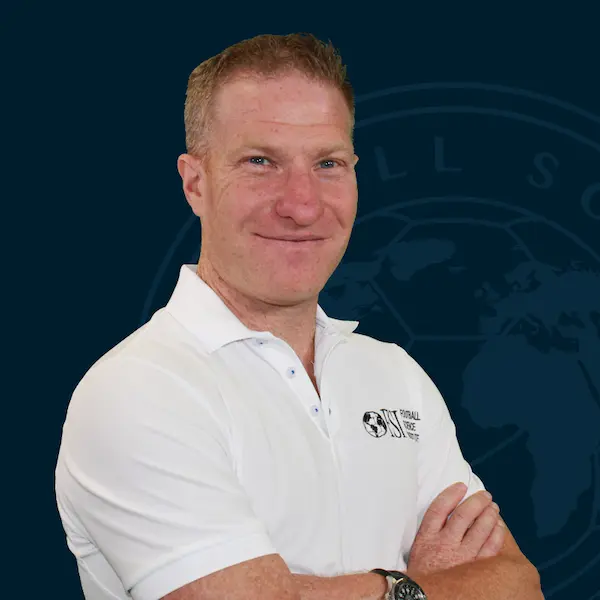
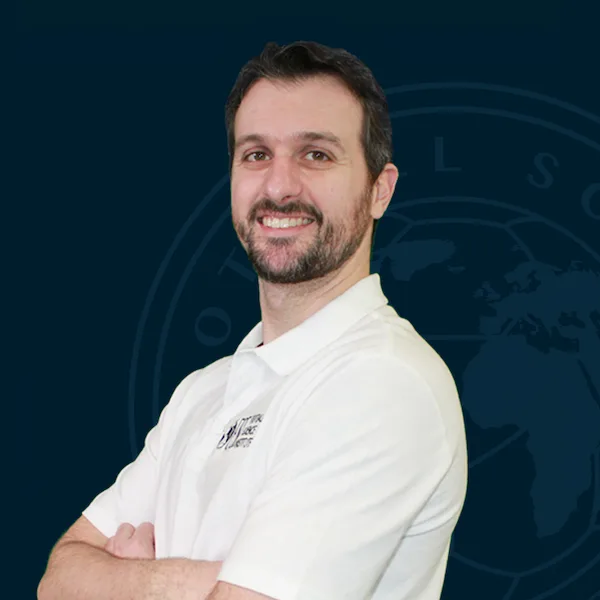
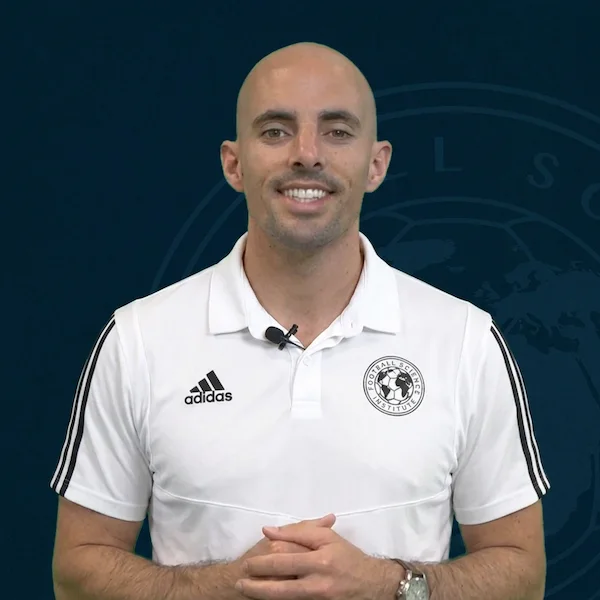
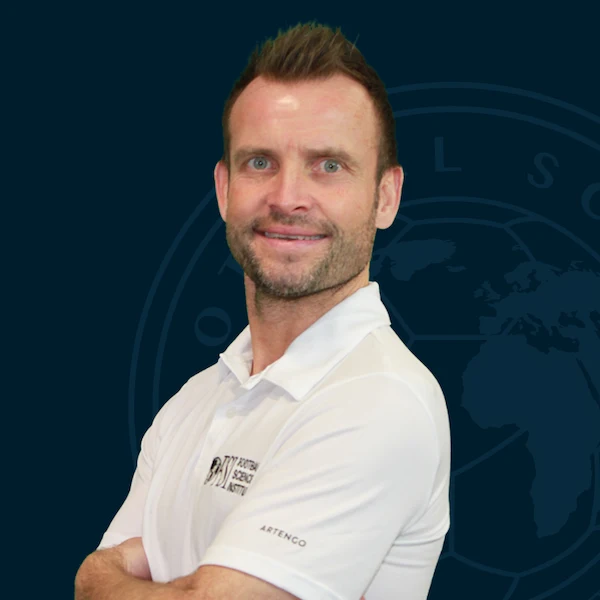
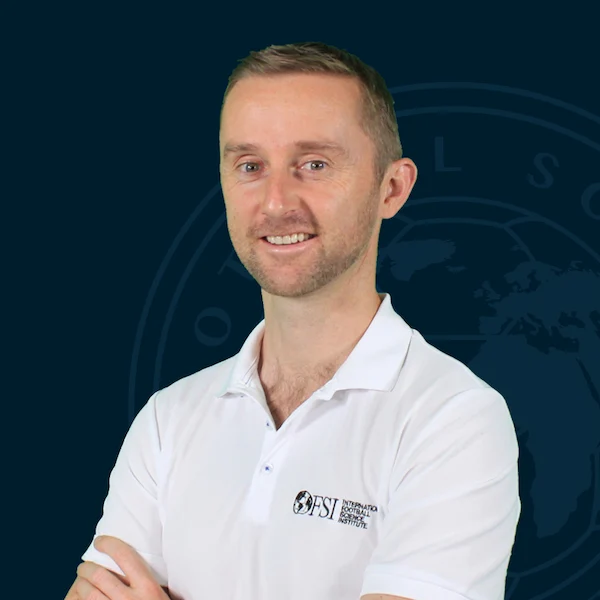
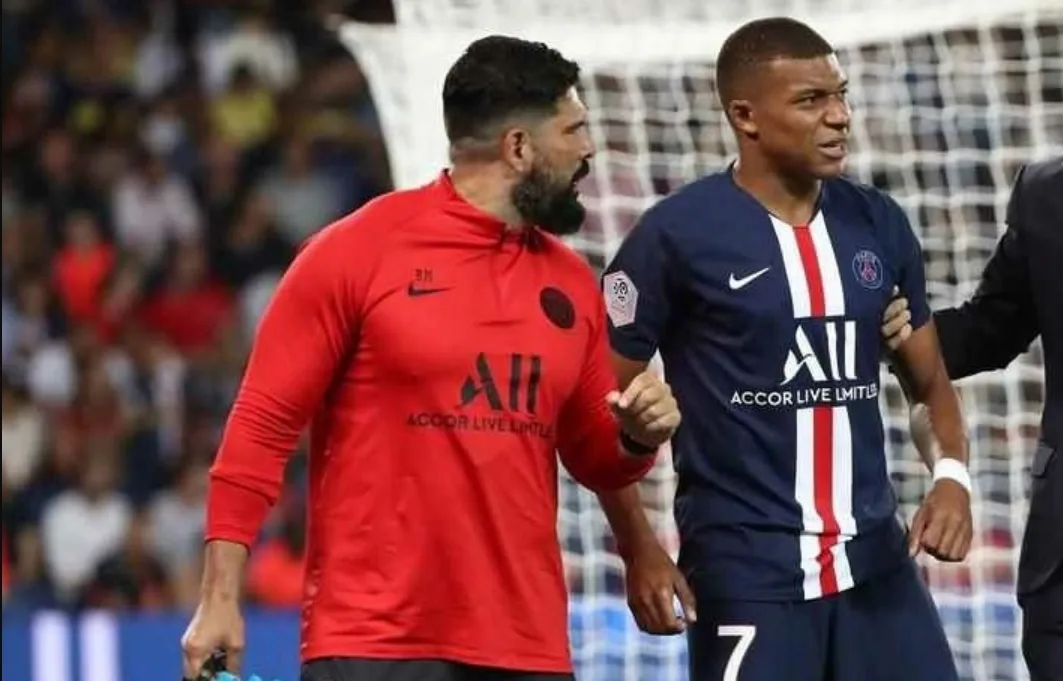
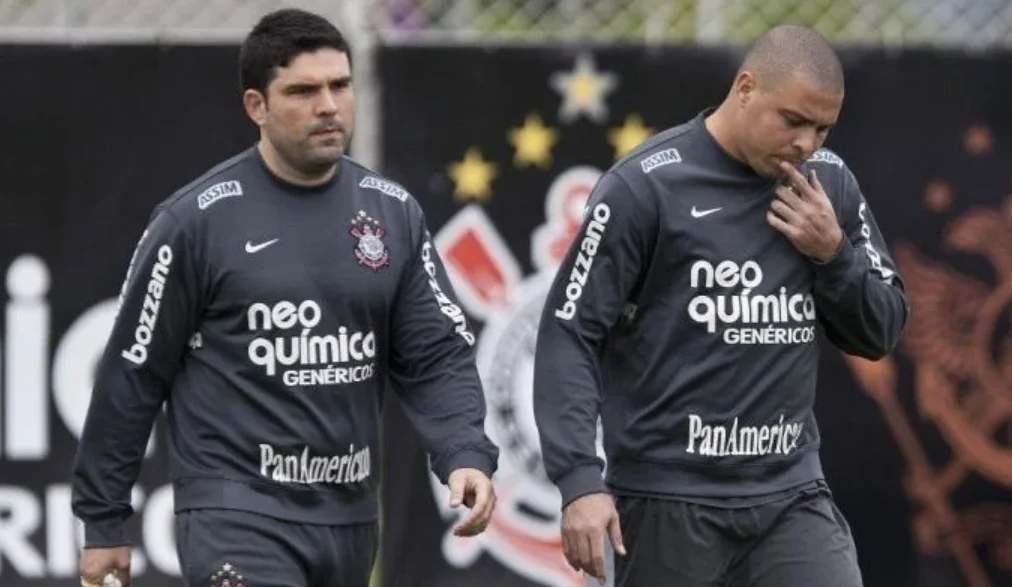
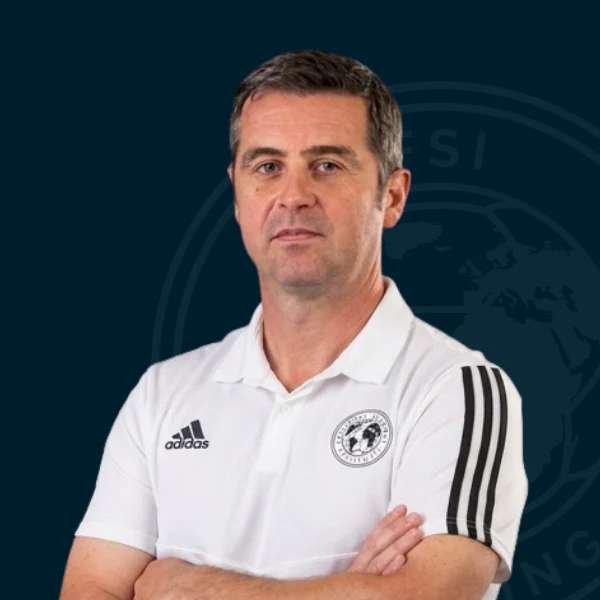
Discover with Bruno Mazziotti, director of the programme and internationally recognised physiotherapist with experience at clubs such as Corinthians, Cruzeiro, Arsenal, PSG and Real Valladolid, why this is the Master’s programme that prepares you to stand out.

Built upon two fundamental pillars, our Master’s in Physiotherapy for Professional Football equips you with the essential tools to succeed in an exclusive and demanding sector.

Specialised Education

Through this online Master’s programme, you will acquire the key knowledge required to become a professional in sports physiotherapy within high-performance football environments. Throughout your journey, you will be guided by a top-level faculty recognised both for academic research and for their roles within elite club technical staff worldwide.

Real Experiences in Clubs

Through this Master’s in Physiotherapy for Professional Football, you gain access to career opportunities in elite clubs that would otherwise remain out of reach. Through internships, you demonstrate your talent and apply your skills within a professional club environment, working alongside leading figures in football.

Who Is the Master’s in Physiotherapy for Football Teams Designed For?

Active professionals with a university qualification or experience in physiotherapy

A Master’s programme designed for individuals with previous experience in physiotherapy, sport sciences, medicine and rehabilitation who are currently practising in the field.

It offers advanced, flexible and in-depth specialisation to help students take their careers to the next level and project themselves towards higher professional goals.

Graduates with university qualifications

A programme for university graduates in areas such as physiotherapy or medicine.

However, some individuals may not hold a university qualification for various reasons. If you have demonstrable professional experience, please contact us. This Master’s programme may be the ideal option for you.

Students in Sport-Related Disciplines

Final-year university students in fields such as Physiotherapy or Medicine.

Are you at an advanced stage of your studies and looking to focus your professional career on football? This Master’s programme is ideal for you.

What Will You Learn in Our Specialised Programme in Sports Physiotherapy for Professional Football?

After completing the Master’s programme, you will be able to perform the following roles as a sports physiotherapist in professional environments:

  • Apply General Guidelines for Injury Prevention and Management in Football
    Implement general principles for injury prevention and management in football and use big data in injury prevention and physical reconditioning.
  • Contribute to Injury Prevention and Individual Performance Methodology
    Collaborate within the technical staff to implement methodologies aimed at preventing injuries and improving individual player performance.
  • Understand Injury Epidemiology and Aetiological Models
    Understand the epidemiology of injuries in football and the associated risk factors.
  • Conduct Injury Prevention Assessments and Physical Testing
    Carry out preventive assessments, eccentric strength testing, isokinetic strength tests and biomechanical evaluations, including plantar biomechanics analysis and boot fitting.
  • Understand the Physiological Foundations of Mobility and Flexibility Training
    Understand the acute and long-term effects of flexibility training and design range-of-motion programmes specific to football.
  • Apply Strength Training Methods for Injury Prevention
    Use strength training methods, eccentric pulley systems, core strengthening and body control exercises to prevent injuries.
  • Prevent Specific Injuries such as Hamstring Strains and ACL Injuries
    Implement specific strategies to prevent hamstring strains and anterior cruciate ligament (ACL) injuries.
  • Understand Muscle Recovery Physiology and Rehabilitation Processes
    Apply knowledge of the mechanical properties of musculoskeletal tissues, muscle healing physiology and muscular and tendon adaptations to eccentric training, as well as recondition strength after injury and understand the effects of detraining.
  • Perform Appropriate Musculoskeletal and Biomechanical Examinations
    Conduct musculoskeletal and biomechanical assessments, restore central neural activation following injury and use mechanised therapy.
  • Manage Clinical Imaging in Football Injuries
    Interpret clinical imaging for its application in physiotherapy and understand its relevance in the progression of musculotendinous injuries.
  • Perform Musculoskeletal Ultrasound in Physiotherapy
    Use ultrasound for injury diagnosis and treatment and conduct comprehensive assessments of footballers.
  • Apply Biological Therapies and Restore Neuromuscular Control
    Understand the use of biological therapies, restore neuromuscular control following injuries and apply invasive physiotherapy techniques.
  • Use Taping, Orthoses and Flossing Techniques
    Apply taping, orthoses and flossing techniques in the prevention and management of football injuries.
  • Implement Electrotherapy and Specific Manual Treatments
    Use electrotherapy in physiotherapy, apply appropriate manual treatments and employ therapies such as myoflexotherapy and dry needling.
  • Organise Medical Support During Training and Competition
    Coordinate medical support during training sessions and competitions, providing immediate care in emergency situations.
  • Conduct Reconditioning and Prevention Processes for Common Injuries
    Apply physiotherapy reconditioning and prevention processes for common injuries affecting the spine, pelvis, hip and groin, hamstrings, quadriceps and knee extensor mechanism, knee, leg, ankle, foot and upper body.

Career Opportunities of the Master’s in Sports Physiotherapy, beyond the scope of basic physiotherapy courses

After completing the Master’s programme, you will be able to work in different roles within elite football environments:

Team Physiotherapist

Team Physiotherapist

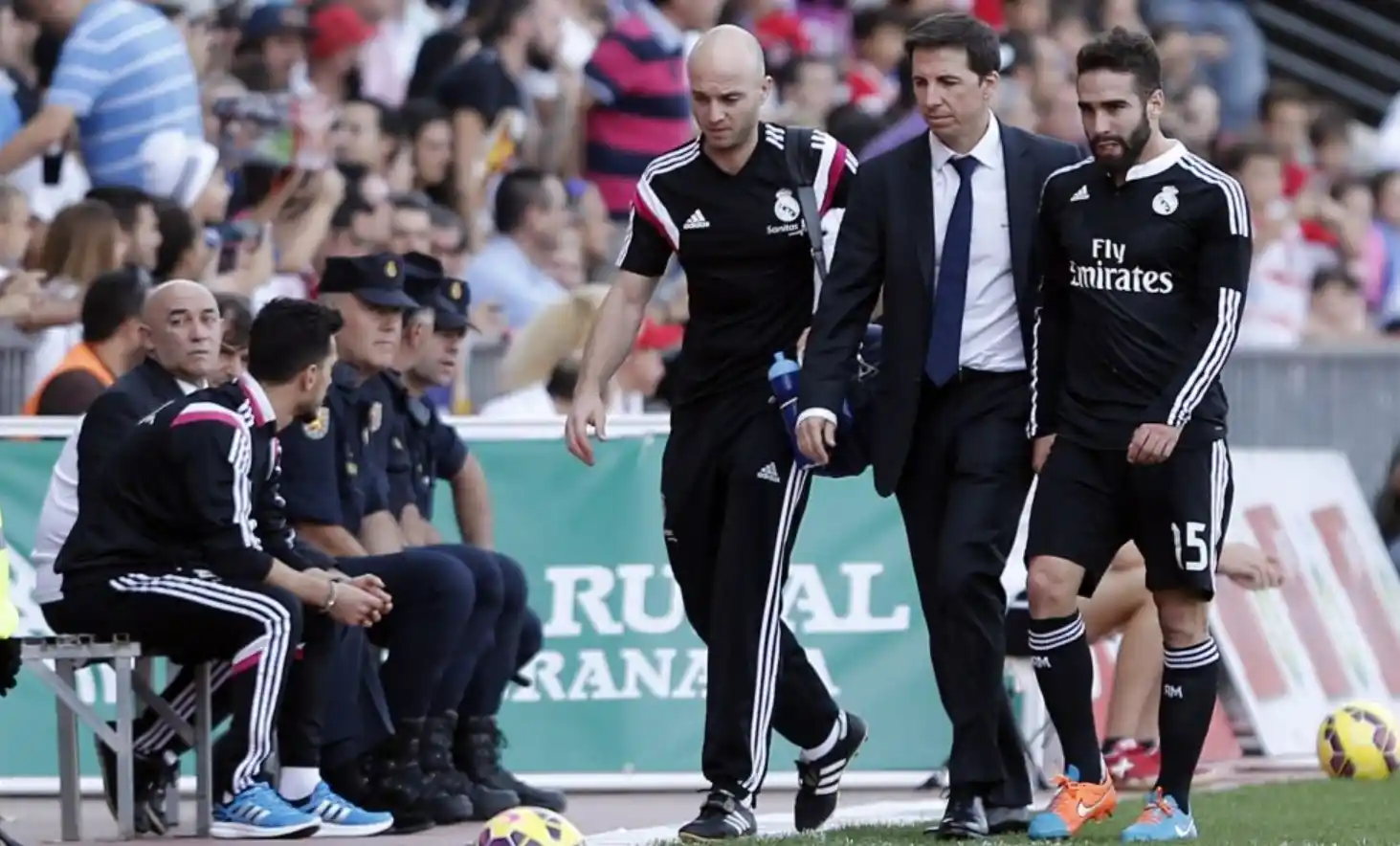
Responsible for assessing, treating and preventing injuries within the team, while collaborating with the technical staff to keep players in optimal condition. Manages recovery and physical reconditioning and provides immediate pitch-side assistance during training sessions and matches. This Master’s programme offers a comprehensive perspective to understand, master and perform effectively in physiotherapy within football teams.
Personal Physiotherapist for Athletes

Personal Physiotherapist for Athletes

Provides individualised care to footballers, focusing on recovery, injury prevention and physical performance enhancement. Develops specific treatment programmes and supports players during travel or outside the club environment to ensure continuity of care.

Complementary Expertise for Coaching Staff

Complementary Expertise for Coaching Staff

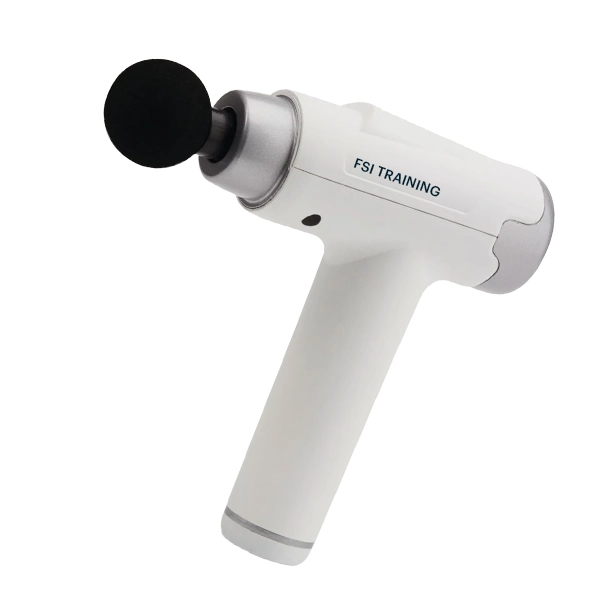
The programme includes advanced knowledge in biomechanics, the use of technology for assessment and treatment, and data management to optimise performance. These skills enable more precise personalisation of prevention and recovery programmes.
Content of the Master’s in Sports Physiotherapy for Professional Football Teams

A comprehensive training programme with more than 120 hours of video content that will prepare you as a specialist in professional football physiotherapy, equipped with the skills and knowledge demanded by today’s leading elite clubs.

Module 1: Physiological and Performance Demands in a Football Match

This module addresses key topics to provide general guidelines for injury prevention and treatment in football. It explores the epidemiology and football-specific aetiological patterns, as well as associated risk factors. It includes preventive assessment through eccentric, isokinetic strength and biomechanical testing, together with the analysis of plantar biomechanics and boot fitting to reduce injury risk.

Module 2: Injury Prevention Methods in Football

This module focuses on the physiological foundations of mobility training, with particular attention to the acute and long-term effects of flexibility and range-of-motion training. It also covers strength training methods aimed at injury prevention, along with specific strategies to prevent hamstring strains and anterior cruciate ligament (ACL) injuries.

Module 3: Load Management for Injury Prevention in Football

This module explores workload monitoring for injury prevention and return to competition. It covers coordination between medical and sports science departments for effective load control. In addition, it addresses the management of tendinopathies and the understanding of pain in footballers.

Module 4: Recovery in Football

This module focuses on recovery management during periods of high and low competitive load, including travel management. It also addresses the importance of sleep management for effective recovery and medical preparation for international tournaments, offering a practical perspective on recovery strategies.

Module 5: Physiological Foundations of Injury Healing in Footballers

This module includes the study of the mechanical properties of musculoskeletal tissues, the physiology of muscle healing, and muscular and tendon adaptations to eccentric training. It also analyses the physiological bases of detraining and muscle reconditioning following injury.

Module 6: Foundations of Injury Management in Footballers

This module addresses musculoskeletal and biomechanical assessment in footballers, clinical imaging management, progression control during reconditioning, and mechanical load monitoring. It also introduces return to play under the control-chaos continuum framework.

Module 7: Treatment Methods for Injuries in Footballers

This module provides an overview of evidence-based injection therapies and methods to prevent detraining during early injury phases. Innovative approaches such as heat and altitude training, respiratory muscle training, blood flow restriction, and aquatic reconditioning are also covered.

Module 8: Physiotherapy Practice in Football

This module focuses on the medical description, biomechanics and clinical management of common spinal injuries in football, as well as reconditioning following lumbar disc surgery. It also covers functional anatomy and risk factors related to pelvic and groin injuries, including pubalgia.

Module 9: Quadriceps and Knee Extensor Mechanism Injuries

This module addresses the medical description and clinical management of quadriceps and knee extensor mechanism injuries, including rectus femoris injuries, deep fascia involvement, and patellar tendinopathy. It also analyses prevention and reconditioning strategies following patellar fractures.

Module 10: Hamstring Injuries in Footballers

This module covers the medical description, clinical management and reconditioning processes of hamstring injuries. Specific cases such as proximal tendon syndromes and muscle ruptures are analysed. It also includes the comprehensive management of severe musculotendinous injuries.

Module 11: Knee Injuries in Footballers I

This module focuses on meniscal and chondral injuries, as well as knee injuries in young footballers. It includes reconditioning following meniscal resections and repairs.

Module 12: Knee Injuries in Footballers II

This module covers the medical description and management of knee ligament injuries, such as the anterior cruciate ligament (ACL) and the medial collateral ligament (MCL). It also addresses ACL reconstruction surgery and prevention and reconditioning strategies, particularly in women’s football.

Module 13: Leg, Ankle and Foot Injuries in Footballers

This module includes the clinical management of common leg, ankle and foot injuries, such as soleus injuries and Achilles tendinopathies. It covers post-Achilles surgery recovery and the prevention of lateral ankle sprains and chronic ankle instability.

Module 14: Upper Body Injuries in Footballers

This module focuses on the most common shoulder injuries in footballers and their clinical management, including glenohumeral instability in goalkeepers. It also addresses the management of concussions in football.

Module 15: Physiotherapy Practice in Football I

This module begins with an overview of the role of the physiotherapist in player assessment and the use of imaging techniques in musculotendinous injuries. It also includes manual therapy strategies, myofascial pain management, and individualised reconditioning of elite footballers.

Module 16: Physiotherapy Practice in Football II

This module covers instrument-assisted physiotherapy, the use of functional taping and acupuncture techniques. It also includes the organisation of medical support during training and competition, emergency care, and the prevention of illness during international tournaments.

Testimonials from Students Who Have Trained with FSI Training

Behind every student there is a story of hard work, resilience and many hours of study in pursuit of one goal: working in professional football. At FSI Training, we are proud to be part of that journey. More than 2,000 professionals have advanced their careers through our Master’s programmes and over 60% of those who complete internships remain in professional clubs.

“I had the opportunity to work abroad and experience a new culture”

Madalin Talpalaru · Physiotherapist

“From theory to real practice with elite players”

John Yianoullou · Physiotherapist

“Thanks to FSI, I secured an internship that opened the door to a job opportunity.”

Sara Mejías · Physiotherapist and Rehabilitation Specialist

“FSI combines theory with real experience in clubs”

Santiago Díaz · Injury Rehabilitation Specialist

A Faculty of International Leaders Supporting You Throughout Your Specialised Physiotherapy Training in Football

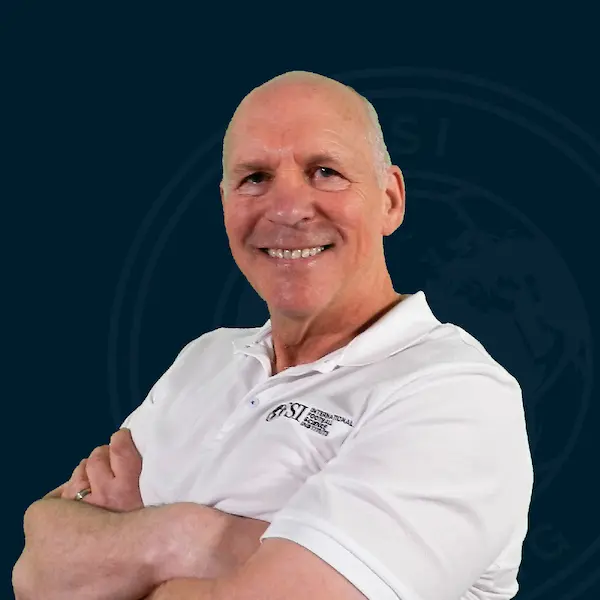
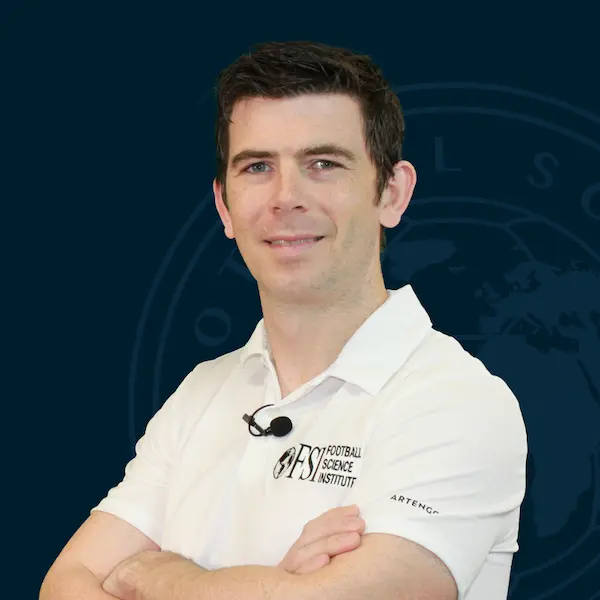
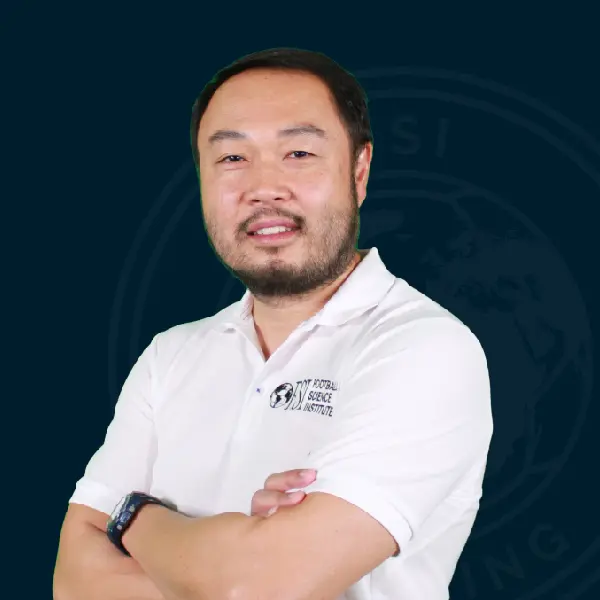
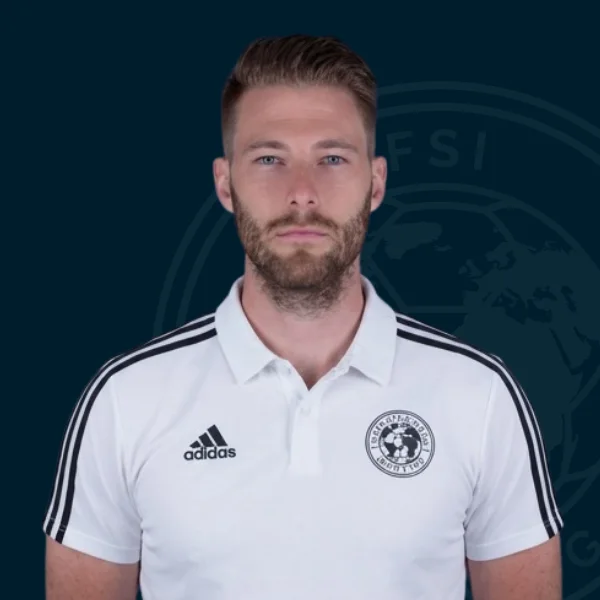
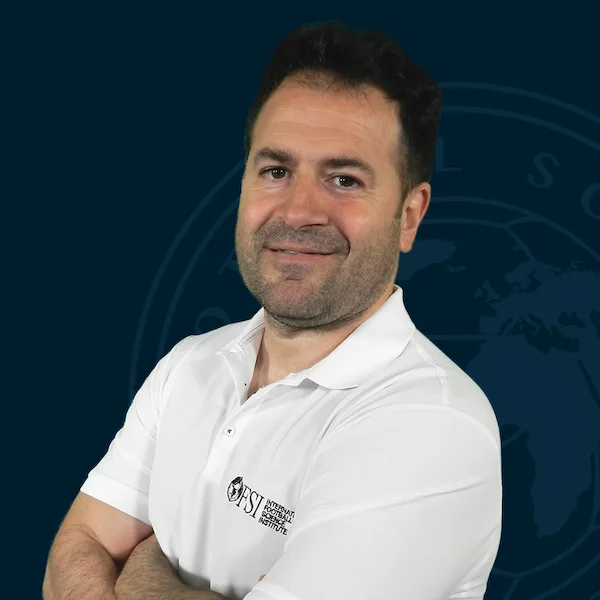
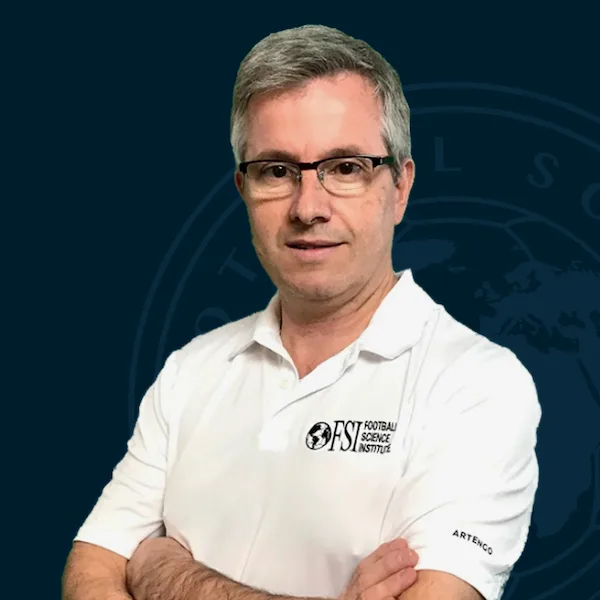
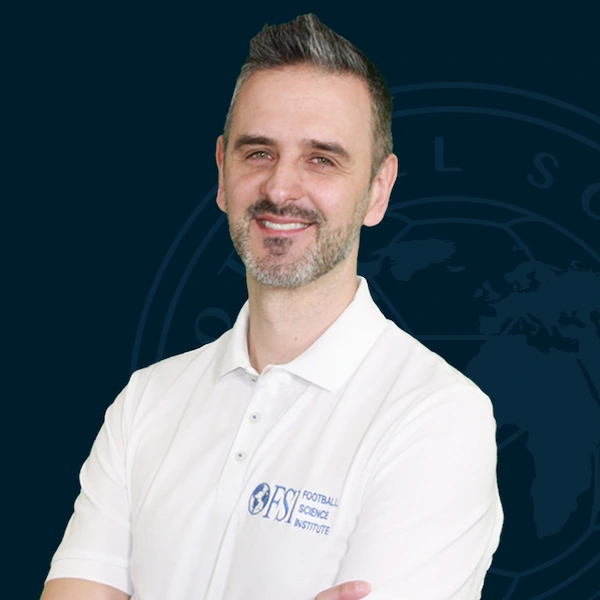
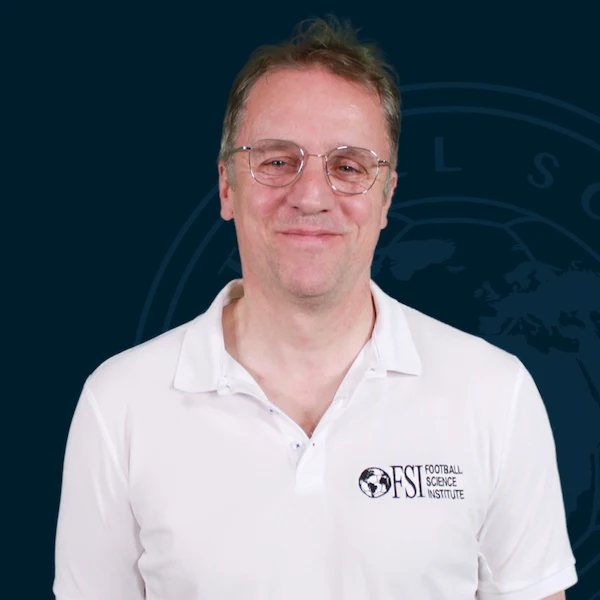
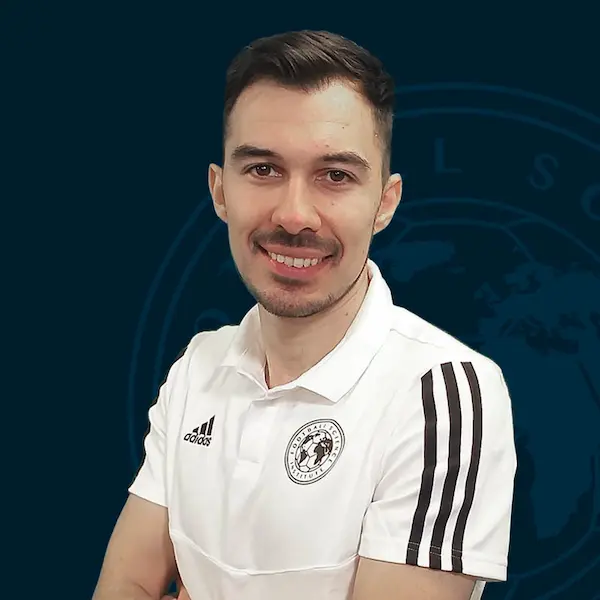
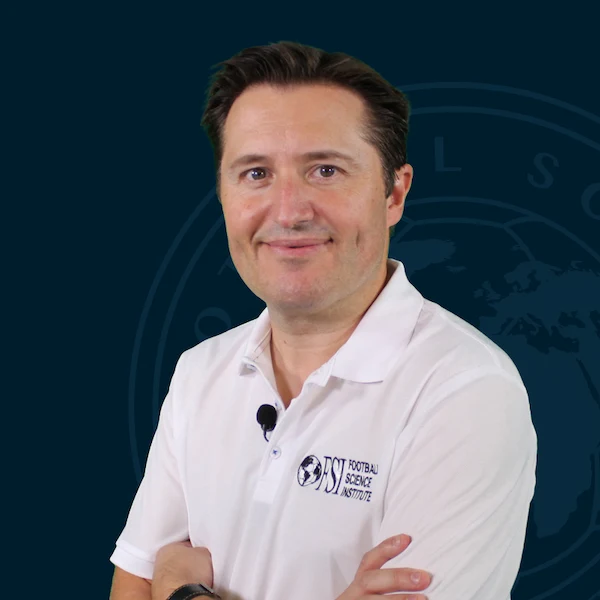
You will train alongside leading experts in each area of the Master’s programme. We have brought together one of the most respected international communities of professionals who research and work in sports physiotherapy within football to provide the theoretical and practical perspective you are looking for. They are leaders in their respective fields, and you will only find them together here.

Some experts share their views on FSI

Internships with Access to Unique Opportunities in Professional Football Clubs, Unlimited and Voluntary

If you would like to put everything you learn during the Master’s programme into practice, FSI Training gives you the opportunity to apply for placements in elite clubs. We have agreements with more than 40 football clubs worldwide, offering you a unique opportunity: to train directly within the internal structure of these clubs and work side by side with their technical staff.

Internships may be completed as professional staff members or as research profiles (through our FSI Labs division). In all cases, our internship programme is entirely voluntary and always open to FSI Training students. You may choose to complete an internship at a specific club and, if you wish, apply for additional placements in different clubs in the future.

If internships do not align with your preferences, there is no obligation. Participation in placements is optional, and you are free to decline. Your Master’s training will remain fully valid, and you will receive your certificate in the same way.

Clubs participantes

  • Aek Athens logo
    Aek Athens
  • Al Ittihad logo
    Al Ittihad
  • Besiktas logo
    Besiktas
  • Boavista Fc logo
    Boavista Fc
  • Ca Guadalajara logo
    Ca Guadalajara
  • Ca Osasuna logo
    Ca Osasuna
  • Ca Paranaense logo
    Ca Paranaense
  • Ca Talleres logo
    Ca Talleres
  • Cadiz Cf logo
    Cadiz Cf
  • Cd Leganes logo
    Cd Leganes
  • Cd Santa Clara logo
    Cd Santa Clara
  • Cercle Brugge logo
    Cercle Brugge
  • Chicago Fire logo
    Chicago Fire
  • Club Tigres logo
    Club Tigres
  • Colo Colo logo
    Colo Colo
  • Coritiba logo
    Coritiba
  • Cruzeiro logo
    Cruzeiro
  • Estoril logo
    Estoril
  • Fc Cincinatti logo
    Fc Cincinatti
  • Fc Famalicao logo
    Fc Famalicao
  • Federacion Mexicana Futbol logo
    Federacion Mexicana Futbol
  • Ferencvaros logo
    Ferencvaros
  • Hammarby logo
    Hammarby
  • If Elfsborg logo
    If Elfsborg
  • Inter Miami logo
    Inter Miami
  • Legia Warszawa logo
    Legia Warszawa
  • Liverpool Uruguay logo
    Liverpool Uruguay
  • Los Angeles Fc logo
    Los Angeles Fc
  • Mainz 05 logo
    Mainz 05
  • Mallorca Fc logo
    Mallorca Fc
  • Necaxa Fc logo
    Necaxa Fc
  • Olympique Marseille logo
    Olympique Marseille
  • Pogon logo
    Pogon
  • Psv Eindhoven logo
    Psv Eindhoven
  • Queretaro Fc logo
    Queretaro Fc
  • Rayados Monterrey logo
    Rayados Monterrey
  • Rc Deportivo logo
    Rc Deportivo
  • Real Betis logo
    Real Betis
  • Sevilla Fc logo
    Sevilla Fc
  • Slavia Praha logo
    Slavia Praha
  • Sporting Braga logo
    Sporting Braga
  • Sporting Costa Rica logo
    Sporting Costa Rica
  • Swedish Football Federation logo
    Swedish Football Federation
  • Torreense logo
    Torreense
  • Tsg Hoffenheim logo
    Tsg Hoffenheim
  • Valencia Cf logo
    Valencia Cf
  • Valladolid Cf logo
    Valladolid Cf
  • Villarreal Cf logo
    Villarreal Cf
  • Vissel Kobe logo
    Vissel Kobe
  • Vitoria Sc logo
    Vitoria Sc

Admission Process

  • Application submission

    Complete the application form at the bottom of the page. If you are browsing on mobile, use the bottom button to go directly to the form. Our team is available to answer any questions you may have.

  • Choose your plan

    Select the payment option and plan that best suits your needs. Payments are processed securely by card through Stripe. We accept Visa, Mastercard, American Express and UnionPay.

  • Complete the process

    Once payment has been made, you will receive your enrolment confirmation by email. If you cannot find it, please check your spam or ‘Promotions’ folder. If the issue persists, contact us.

  • Start your programme

    Access the campus and complete the welcome module. The remaining modules will be unlocked automatically each month according to the selected study modality.

Any questions?

Contact us via WhatsApp, , email or schedule a meeting.

Frequently Asked Questions - FAQ

What is FSI Training?
FSI Training is a global platform of professionals, leading researchers and expert voices dedicated to the development of sports science applied to football. It also offers educational programmes and scientific and practical online content aimed at professionals and students interested in football performance.
Can I access the programme from any country?
Yes. FSI Training programmes are available worldwide. You can access our Master’s programmes and courses from anywhere in the world with an internet connection.
In which languages is the programme available?
Classes are delivered in English or Spanish, and as a student you may choose your preferred language. English-language videos include Spanish subtitles, and vice versa.
What study modality is the programme delivered in?
All programmes are 100% online, with 24/7 access to video-based classes organised into modules.
Do I need any academic requirements to enrol?
Each application is reviewed by the academic team. FSI Training is a higher education institution offering professional certifications, therefore certain academic requirements must be met for enrolment. Each applicant’s CV will be assessed by the Academic Department.
Can I enrol in more than one Master’s programme at the same time?
Yes. You may enrol in as many programmes as you wish simultaneously.
Can I enrol in a programme before it officially opens?
You may enrol once the registration period opens. If you would like to receive information beforehand, you can register your interest on our website.
How long do I have to complete the Master’s programme?
The duration depends on the number of modules, but FSI Training extends the completion period by up to 8 additional months so that you can complete your training without difficulty.
Is there any agreement between FSI Training and a public university?
FSI Training is a private school specialised in football science that certifies its programmes through its prestigious faculty. The objective is to provide immediately applicable professional skills within professional football.

Currently, our certifications are recognised by the Mexican Football Federation and the Swedish Football Association. We are working with international universities to expand this recognition.
Do I receive a certificate upon completing the Master’s programme?
Yes. Upon completing your programme, you will receive an official certificate issued by FSI Training. You will also be able to download it from your personal account.
Are internships included in each Master’s programme?
Yes. Students who wish to gain practical experience in a professional club may apply for internship opportunities periodically offered by FSI Training through its Membership programme.

Internships may be completed as part of the coaching staff or as research staff within the club (through FSI Labs).
Is completing the internship mandatory?
No. You may obtain your certificate without completing an internship. However, it represents an excellent opportunity to enter professional clubs, apply what you have learned, and access a competitive environment even without prior contacts.
Who forms part of the FSI Training faculty?
The faculty is composed of international professionals and leading figures in sports science applied to football. Their combination of academic and practical expertise allows us to deliver advanced, rigorous and highly applicable education for real-world football.

Their scientific output exceeds 2,500 articles in specialised journals, with an average h-index ranging from 15 to 40. Many of them are key opinion leaders at international conferences and events.

Please visit the “Faculty” section on our website for further information.
How can I contact you if I have another question?
You may email us at info@fsi.training or contact us via WhatsApp.