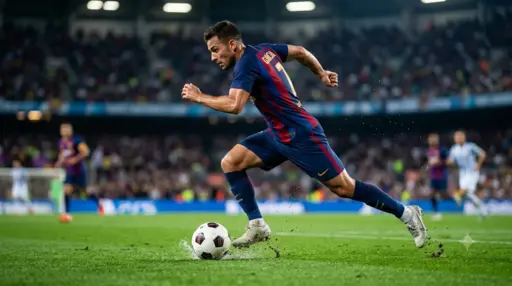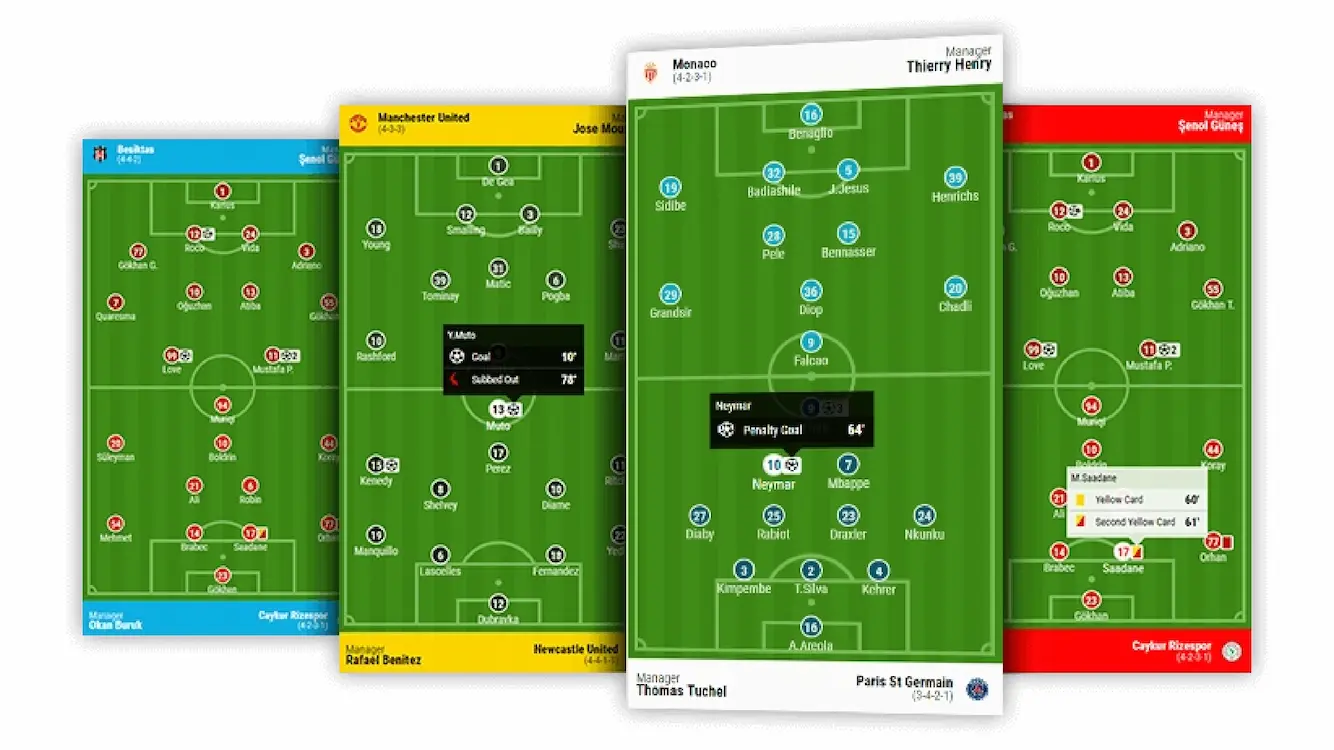
In modern soccer, talking about "formations" or "lineups" goes beyond simply placing players on the pitch. A playing system represents the team's organization, combining player distribution with their specific roles and the relationships established between them during the match.
From a tactical standpoint, soccer is a dynamic and complex sport in which teams constantly alternate between attacking and defensive phases. This implies that the same lineup can transform significantly depending on whether or not the team has possession of the ball. Sports science studies highlight that teams do not maintain a rigid structure, but rather adapt their organization in real-time to respond to the demands of the game and the opponent (Sarmento et al., 2018; Bradley & Ade, 2018).
In this context, applied soccer research has shown that tactical efficacy depends largely on the team's ability to adjust its collective structure to different game scenarios, rather than using a specific fixed formation (Clemente et al., 2020).
Soccer Lineups: Why Are They Relevant?
If efficacy depends on adjusting to every scenario (Clemente et al., 2020), what is the purpose of a fixed lineup? The answer is simple: to avoid getting lost in the chaos. Before a team can be flexible and dynamic, it needs a reference map.
An initial structure is relevant because it allows us to:
- Guarantee balance: Helps lines maintain an adequate distance to avoid being numerically disadvantaged in the defensive zone while attacking (Rivas, 1993).
- Optimize resources: Distributes players according to their technical and physical aptitudes (Rivas, 1993) and allows for a better distribution of player space and effort (Herráez, 2005).
- Facilitate decision-making: By having a clear base, players can use tactical reasoning to deduce the intentions of teammates and rivals during the course of the game (Rivas, 1993).
- Adapt to context: Provides the necessary solidity to respond to strategic unforeseen events, such as a player ejection, the scoreline, or pitch conditions (Rivas, 1999).
How to Choose a Soccer Formation
There is no magic formation. Choosing a system is a strategic decision made before the ball starts rolling (Ardá & Casal, 2003). These are the pillars for choosing one:
Type of Players Available
This is the most determining factor. The system depends directly on the characteristics of the players (Rivas, 1999) and the current roster, considering resources like suspended or injured players (Bauer, 1994).
Game Model
Represents the team's "personality." Even if two teams use the same system, their style of play will be marked by the coach's personality, the club's tradition, and the country's soccer culture (RFEF, 1994; Bauer, 1994).
Match Context
This includes strategic factors such as the team's objective in the standings, whether they are playing at home or away, and external conditions like weather or altitude (Bauer, 1994).
Game Phases
Modern soccer develops in two main areas: the offensive phase (possession) and the defensive phase (out of possession) (Bauer, 1994). The system must facilitate a quick transition between both phases (Rivas, 1999).
Base Soccer Formations - The Most Used Today
Although soccer is fluid, these layouts are the preferred "molds" for today's coaches to organize their teams.
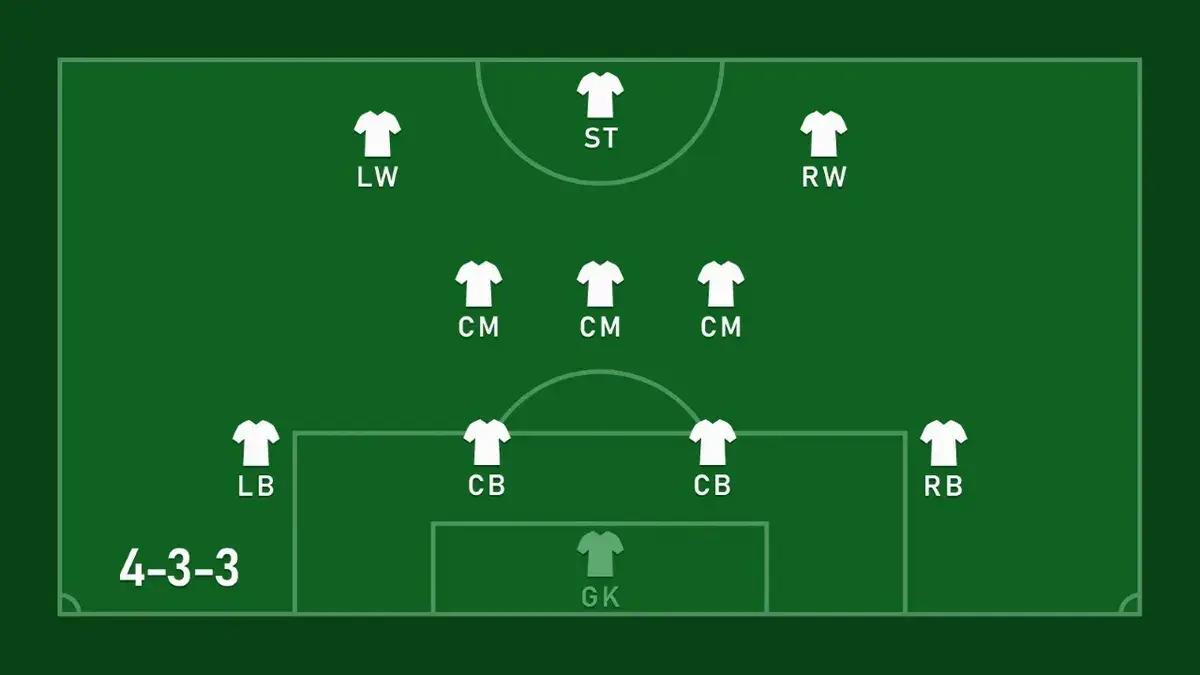
4-3-3 Formation
The quintessential system for teams that seek to dictate play. It is based on pitch width and the creation of passing triangles.
- Strengths: Improves the distribution of effort in midfield and allows for highly effective wing play.
- Weaknesses: Leaves considerable distances between lines, as the three forwards are often freed from recovery duties.
- Ideal for: Teams with fast players and high physical intensity who look to dominate the match aggressively.
4-2-3-1 Formation
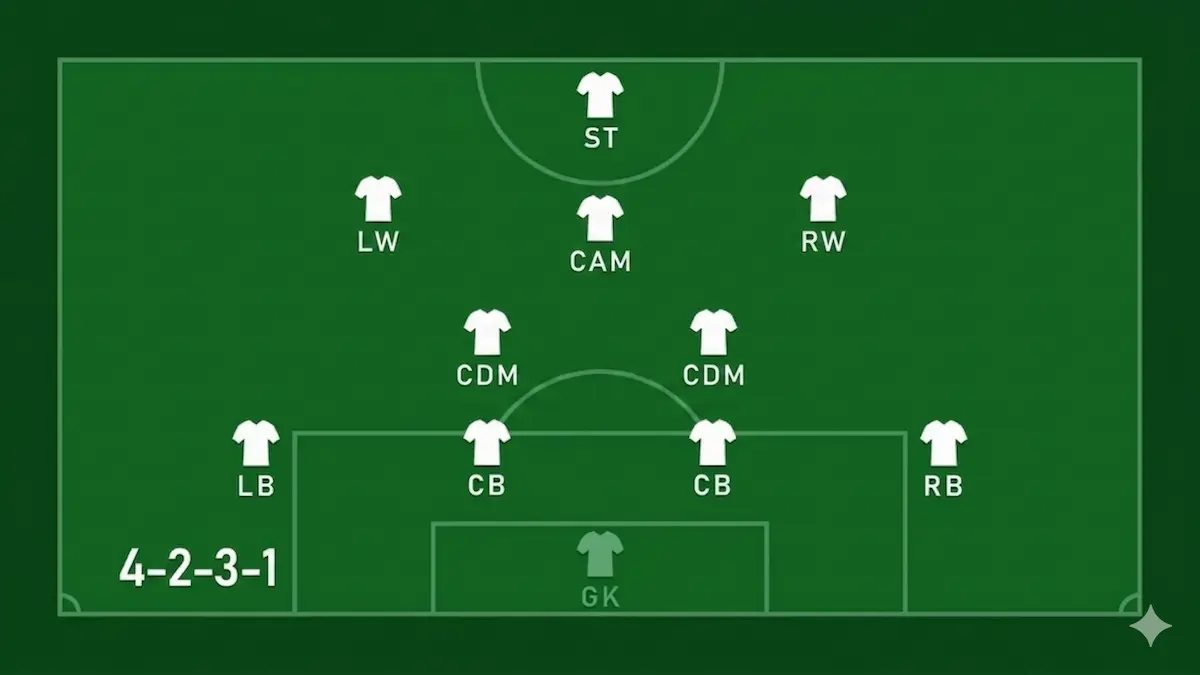
Probably the most balanced system in modern soccer. It divides the team into two lines in midfield to provide greater security.
- Strengths: Offers a rational distribution of space and complicates the opponent's play between lines by reinforcing the central zone.
- Weaknesses: Risk of "splitting" the team into two blocks if the midfielders do not receive help from the attacking midfielders.
- Ideal for: Teams looking for defensive solidity without sacrificing attack, relying on an attacking midfielder with a great talent for the final pass.
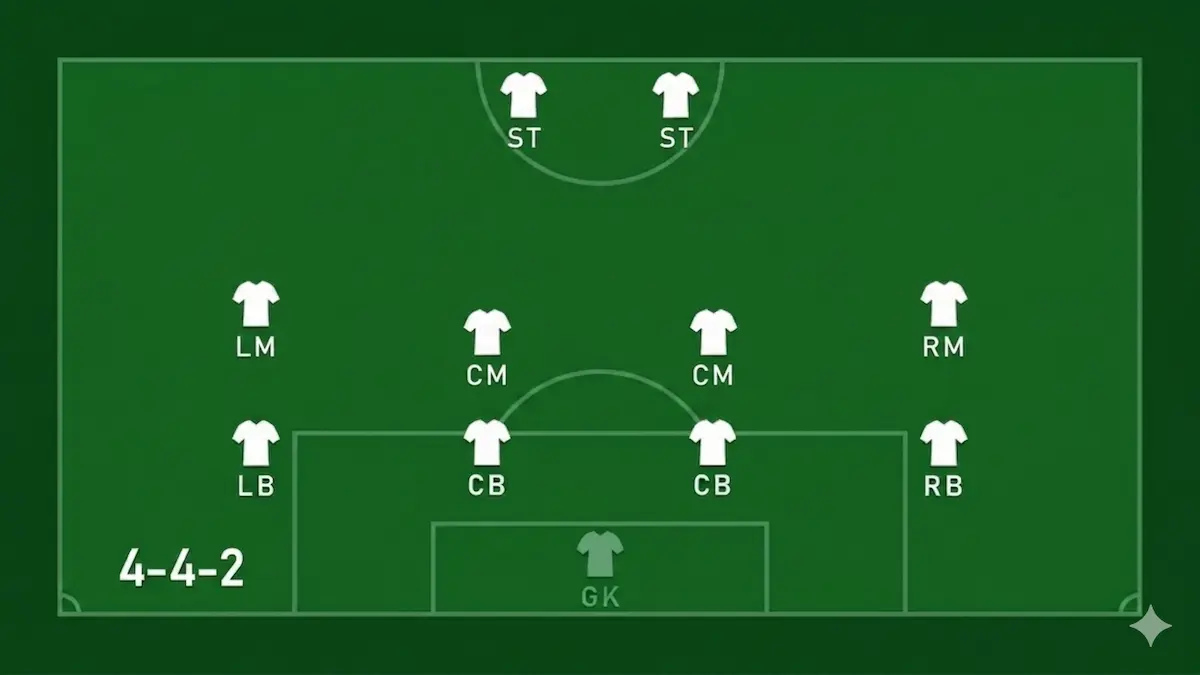
4-4-2 Formation
A classic. Its success lies in its simplicity and the rigorous order of two lines of four, keeping players close together to balance offensive and defensive actions.
- Strengths: Increases defensive efficacy by narrowing the lines and allows for a better distribution of effort among players (Herráez, 2005).
- Weaknesses: Forwards can become isolated if the midfielders do not frequently support the attack.
- Ideal for: Coaches who prioritize tactical order, midfield pressing, and partnership-based associations in each line.
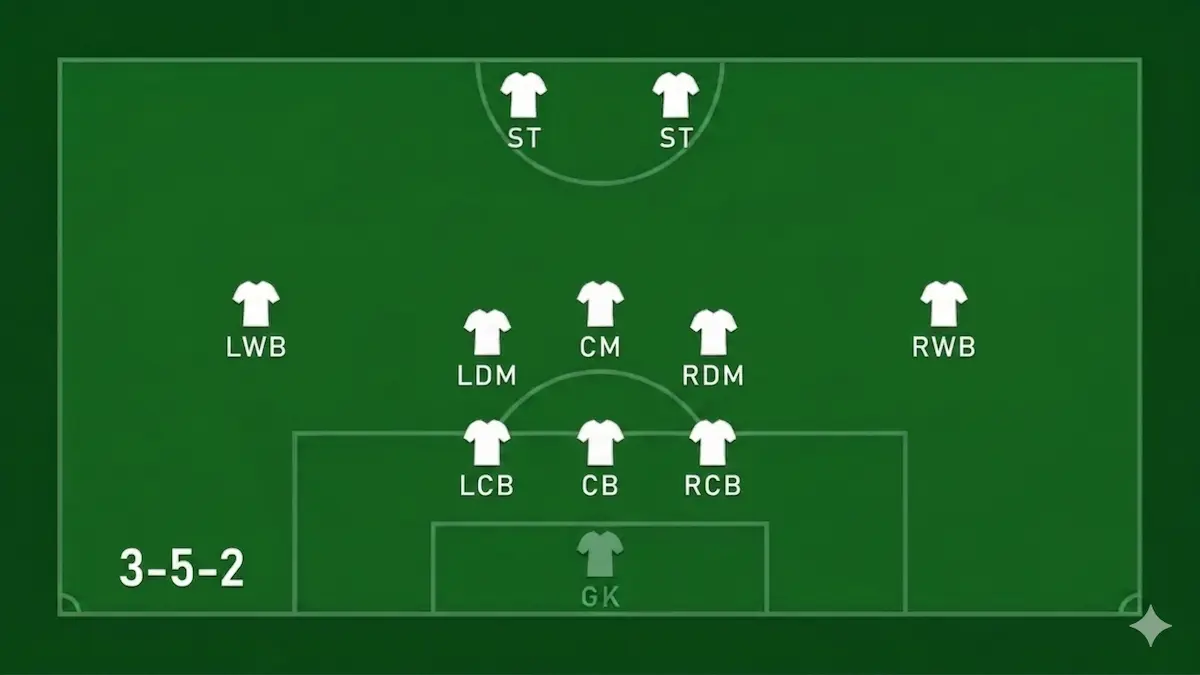
3-5-2 Formation
A formation that seeks to dominate the midfield by accumulating a high density of players in that area.
- Strengths: Allows for quick connections with forwards and generates numerical superiority in the core area to press and recover the ball.
- Weaknesses: If wingbacks don't have offensive projection, the system loses width and the team can become lopsided in attack.
- Ideal for: Teams that want to suffocate the opponent in midfield and have wingbacks with strong physical presence.
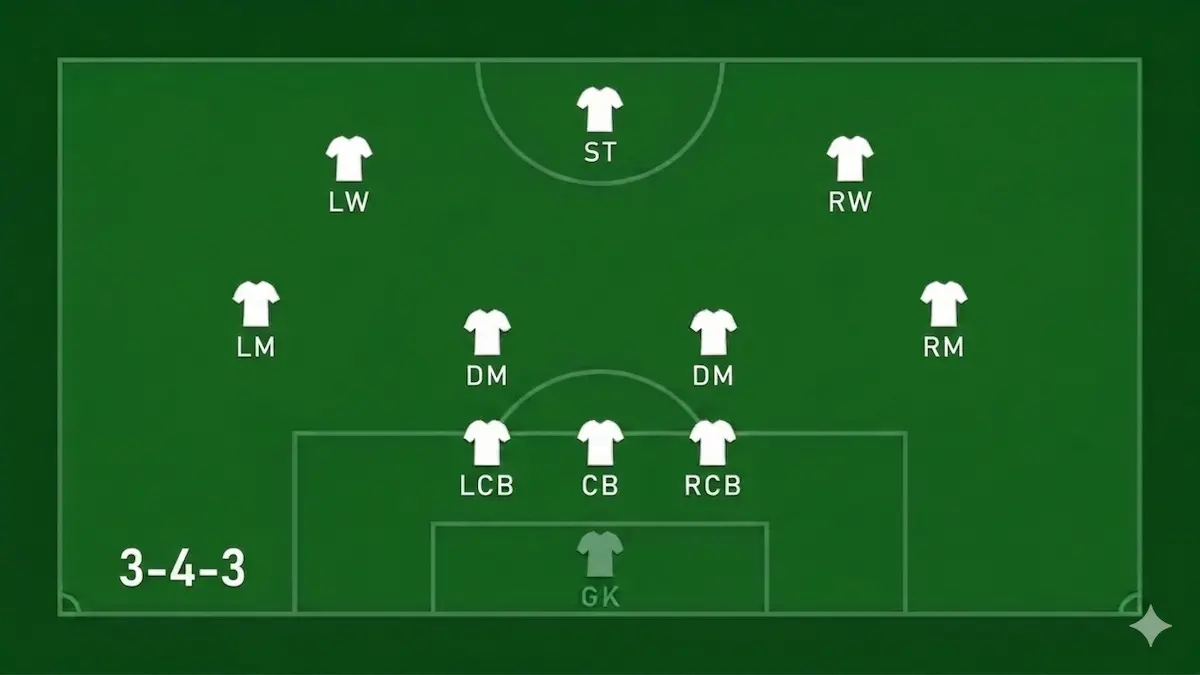
3-4-3 Formation
The boldest bet. It seeks to maintain possession for as long as possible by accumulating players near the opponent's area.
- Strengths: Causes constant numerical superiority in midfield and facilitates a massive attack with three forwards.
- Weaknesses: It is a very exposed system; any error in passing or poor tracking back can be fatal due to the spaces left behind.
- Ideal for: Teams with fast and technical center-backs who wish to handle the ball with great criteria and quality in the opposing half.
Modern Formation Variants in Soccer Systems
In today's soccer, teams no longer stay static but evolve to find numerical superiorities, especially when moving from defense to attack.
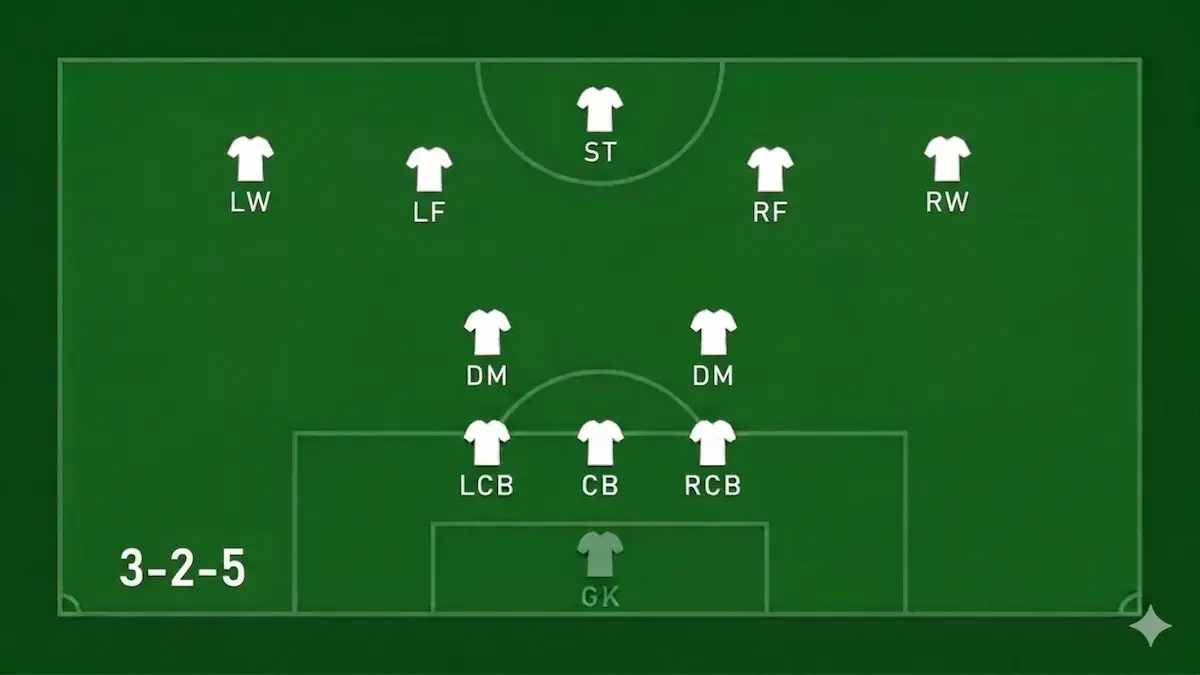
3-2-5 Formation in Offensive Phase
The trendy structure in European elite soccer. When attacking, a fullback moves into midfield or a center-back pushes forward to form this aggressive variant.
- Strengths: Allows for occupying all five vertical channels of the pitch (wings, half-spaces, and center), making opponent marking extremely difficult.
- Weaknesses: Leaves few players to cover counter-attacks, requiring perfect defensive vigilance.
- Ideal for: Teams that dominate possession and seek to "pin" the opponent in their own area.
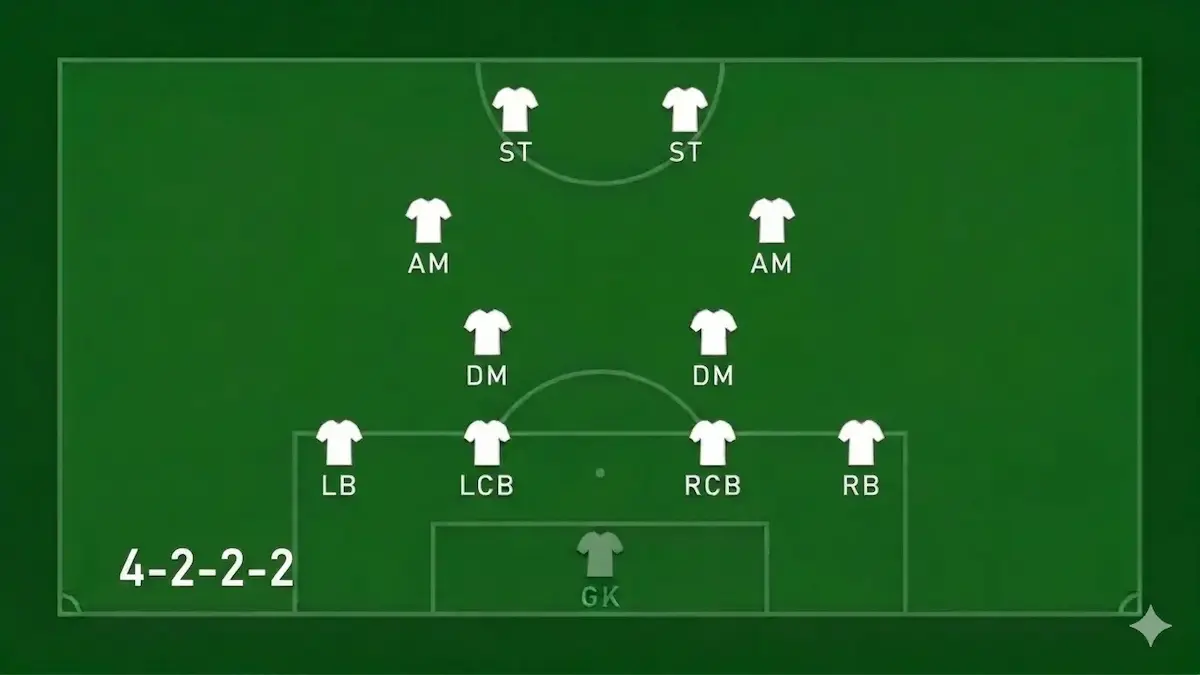
4-2-2-2 Formation
Known as the Magic Square, this formation accumulates four midfielders in the central zone: two pivots and two attacking midfielders.
- Strengths: Creates massive density in the central lane, facilitating filtered passes and interior play.
- Weaknesses: The team becomes predictable and narrow if fullbacks do not push forward wisely.
- Ideal for: Teams with wing-oriented fullbacks and creative midfielders in tight spaces.
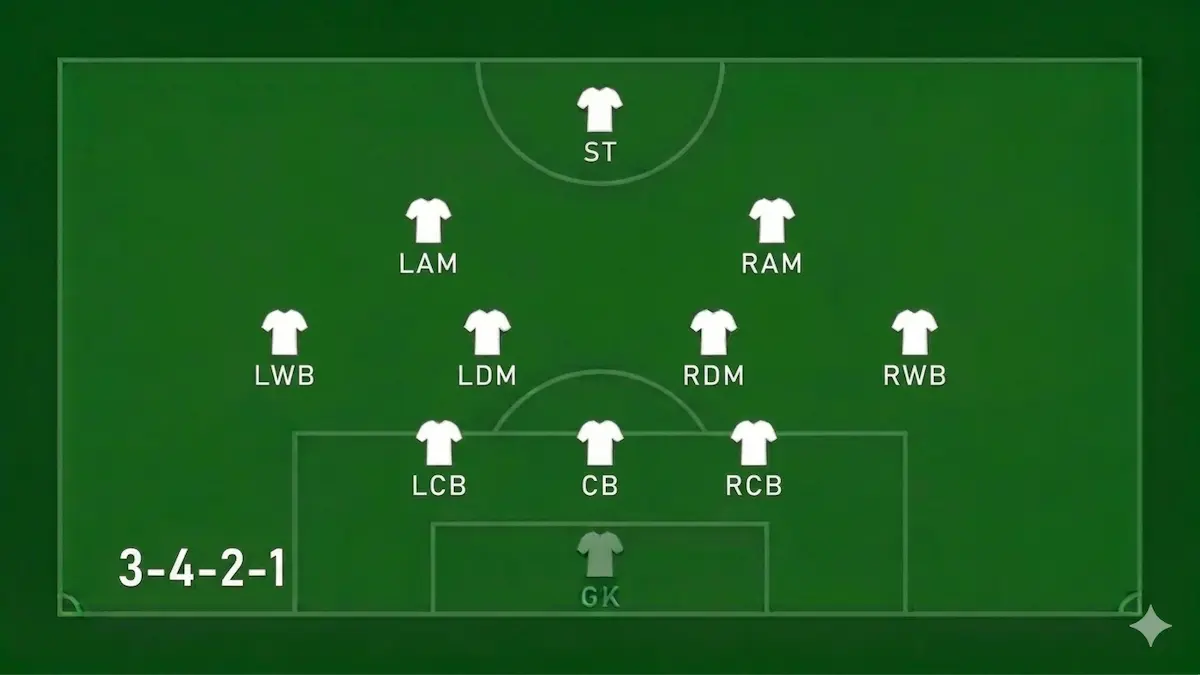
3-4-2-1 Formation
A sophisticated evolution of the three-at-the-back system. It uses two attacking midfielders (or "tens") playing behind a single center-forward.
- Strengths: Great tactical flexibility. The two attacking midfielders are hard for rival pivots to track.
- Weaknesses: Requires millimetric coordination to avoid leaving gaps behind the double pivot.
- Ideal for: Teams seeking solidity at the back but looking for creativity between lines to unlock matches.
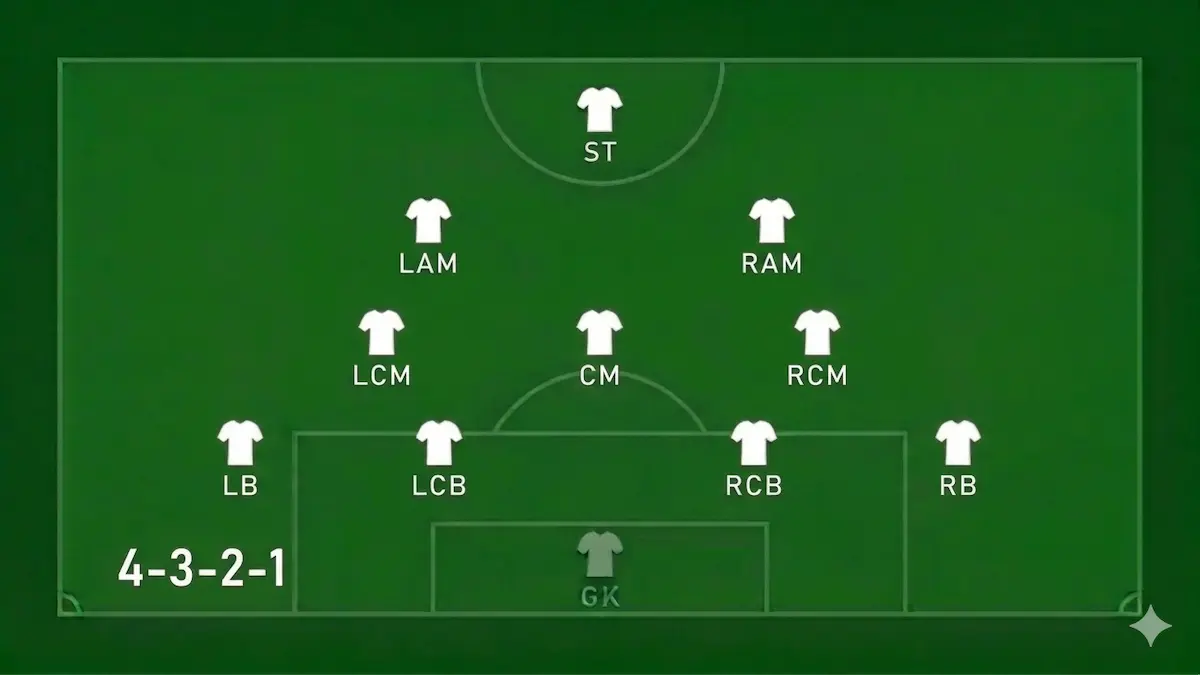
4-3-2-1 Formation (The "Christmas Tree")
A system characterized by a dense midfield that narrows as it approaches the opponent's area.
- Strengths: Almost impossible to penetrate through the center. Allows for total ball control in the zone where matches are decided.
- Weaknesses: Suffers greatly against teams that spread the pitch well and have fast wingers.
- Ideal for: Teams that prefer total control over the tempo of the game.
Defensive Soccer Formations
When the goal is to protect the goal and reduce space, teams adopt structures with a high accumulation of players behind the ball. These formations don't just aim to defend, but to frustrate the opponent into making a mistake.
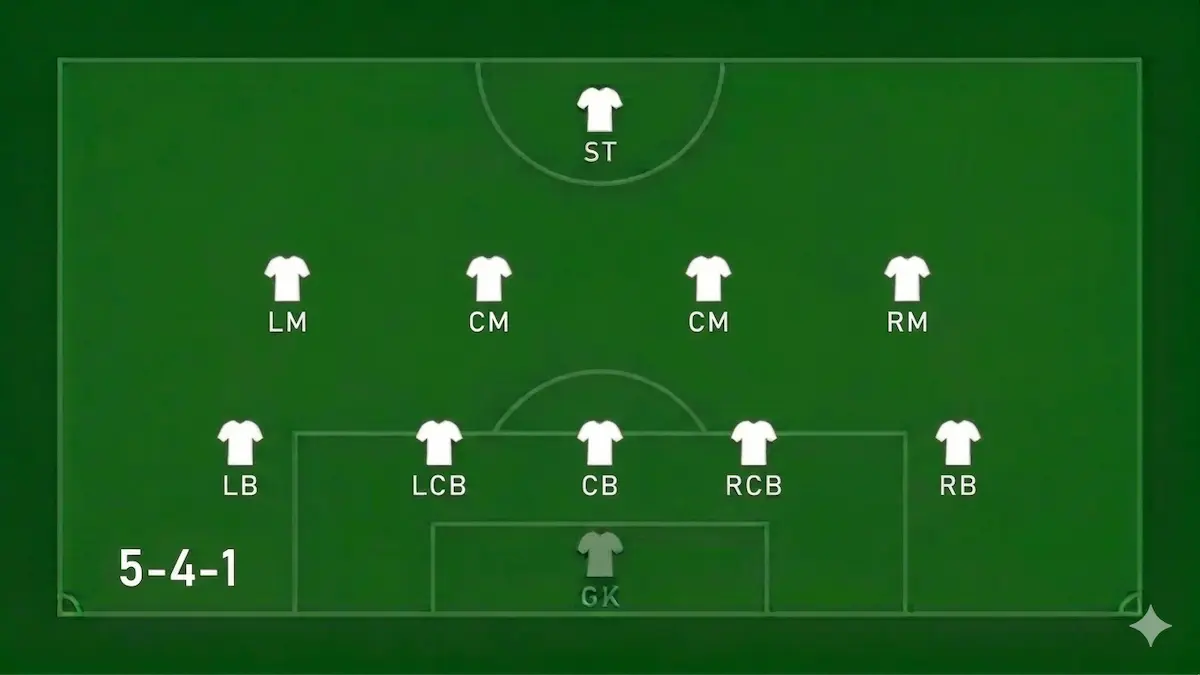
5-4-1 Formation
The ultimate wall. A line of five defenders and a line of four midfielders, leaving a single forward as a reference.
- Strengths: Almost impenetrable defensive security. Covers the entire width of the pitch and allows for constant covering.
- Weaknesses: The team remains very deep. The distance to reach the opposing goal is massive.
- Ideal for: Teams facing significantly superior opponents or needing to hold onto a lead.
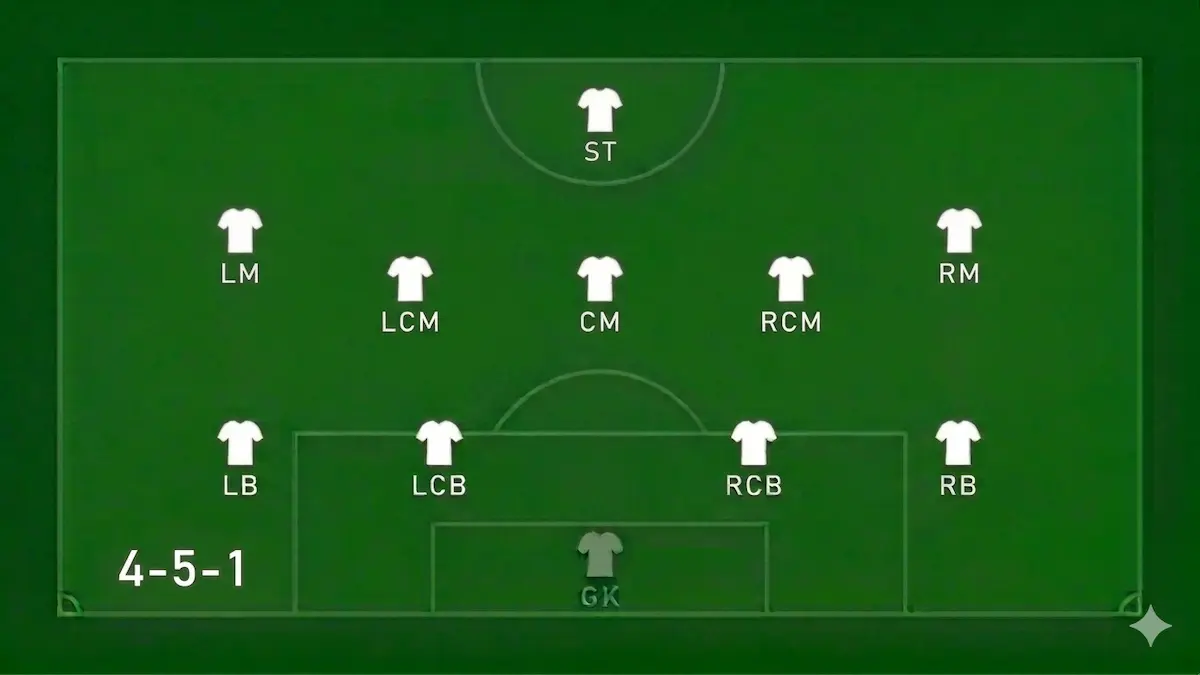
4-5-1 Formation
A variant used to dominate the midfield from a conservative stance with a five-man barrier.
- Strengths: Excellent for neutralizing the opponent's interior play and generating numerical superiority to recover the ball.
- Weaknesses: Requires a physically strong forward capable of holding up the ball alone up front.
- Ideal for: Teams seeking a draw or looking to frustrate creative rivals.
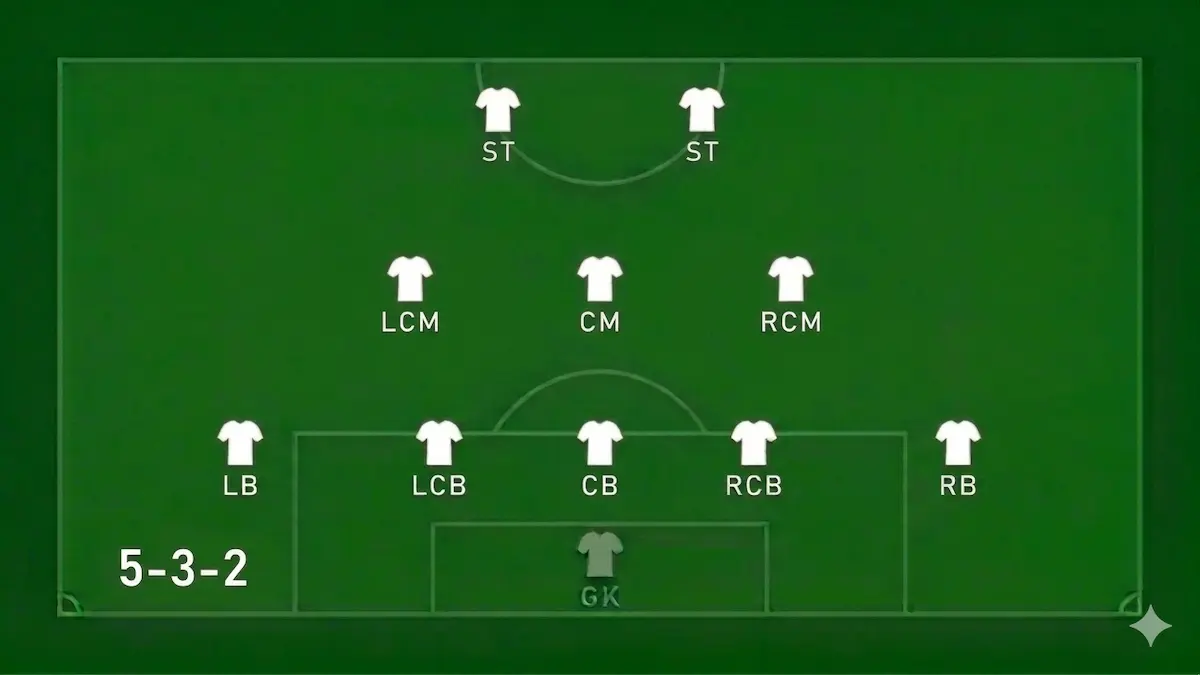
5-3-2 Formation
Combines the solidity of three center-backs with the presence of two forwards to maintain an offensive threat.
- Strengths: Balanced defense-to-attack transition. The two forwards can quickly link up after a recovery.
- Weaknesses: The three central midfielders undergo immense physical strain covering the flanks if the opponent moves the ball quickly.
- Ideal for: Teams seeking solidity while maintaining ambition through direct counter-attacks.
Historical Soccer Formations
Tactical evolution is a journey from offensive chaos to balance. Understanding where we come from helps us understand why modern systems are the way they are today.
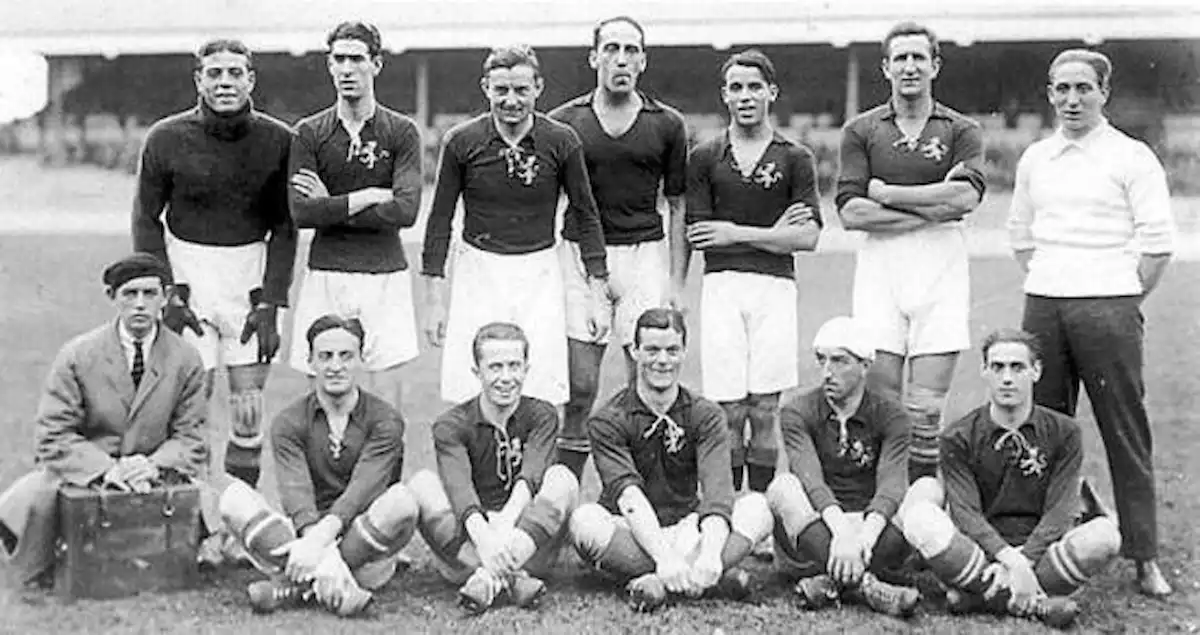
2-3-5 Formation (The Pyramid)
Dominant until the 1930s. Soccer was understood as an almost total attacking sport, where defending was secondary.
- Strengths: Overwhelming offensive presence with five forwards.
- Weaknesses: Evident structural imbalance; center-backs were highly exposed.
- Ideal for: The romantic era of soccer, aiming to score more goals than the opponent.
WM (3-2-2-3 Formation)
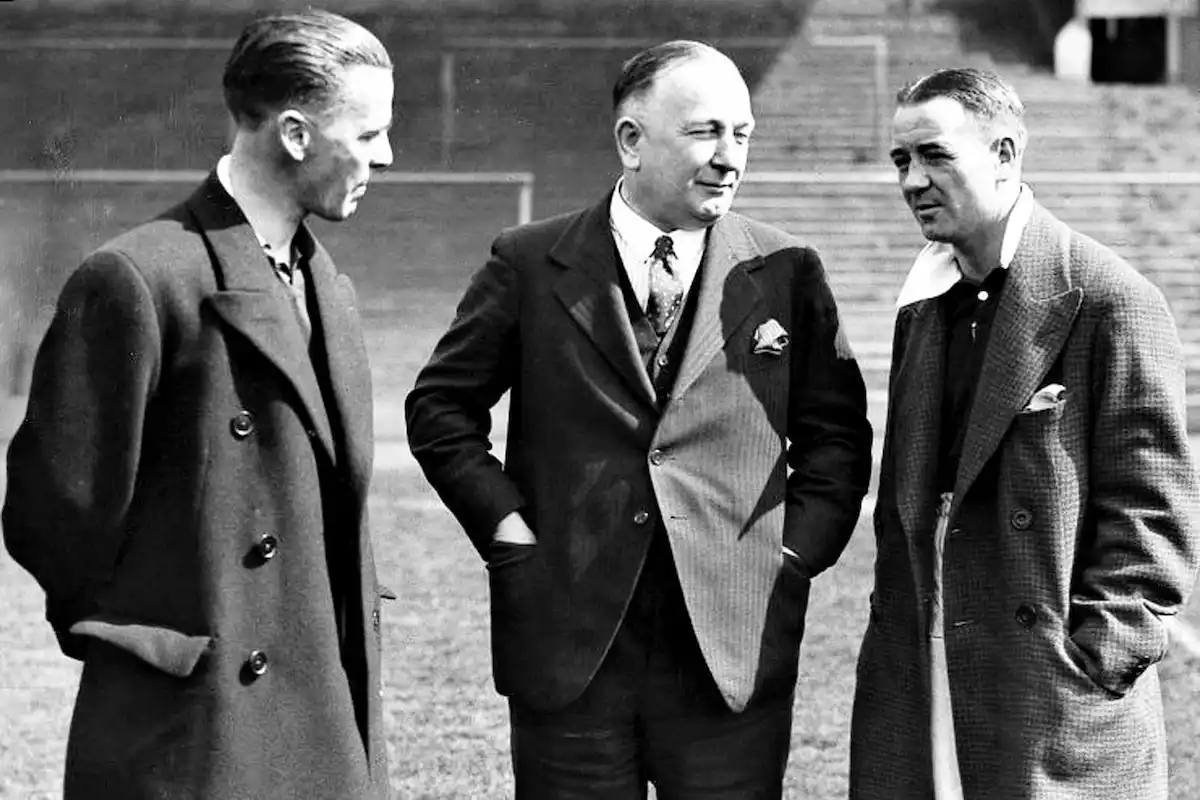
Created by Herbert Chapman, it was the response to a change in the offside rule. it drew a "W" in attack and an "M" in defense.
- Strengths: Introduced man-marking and the third defender. It rationalized space in the center of the pitch (Rivas, 1999).
- Weaknesses: Required very strict tactical discipline, which was uncommon at the time.
- Ideal for: Teams seeking order, marking the beginning of modern tactical soccer.
4-2-4 Formation
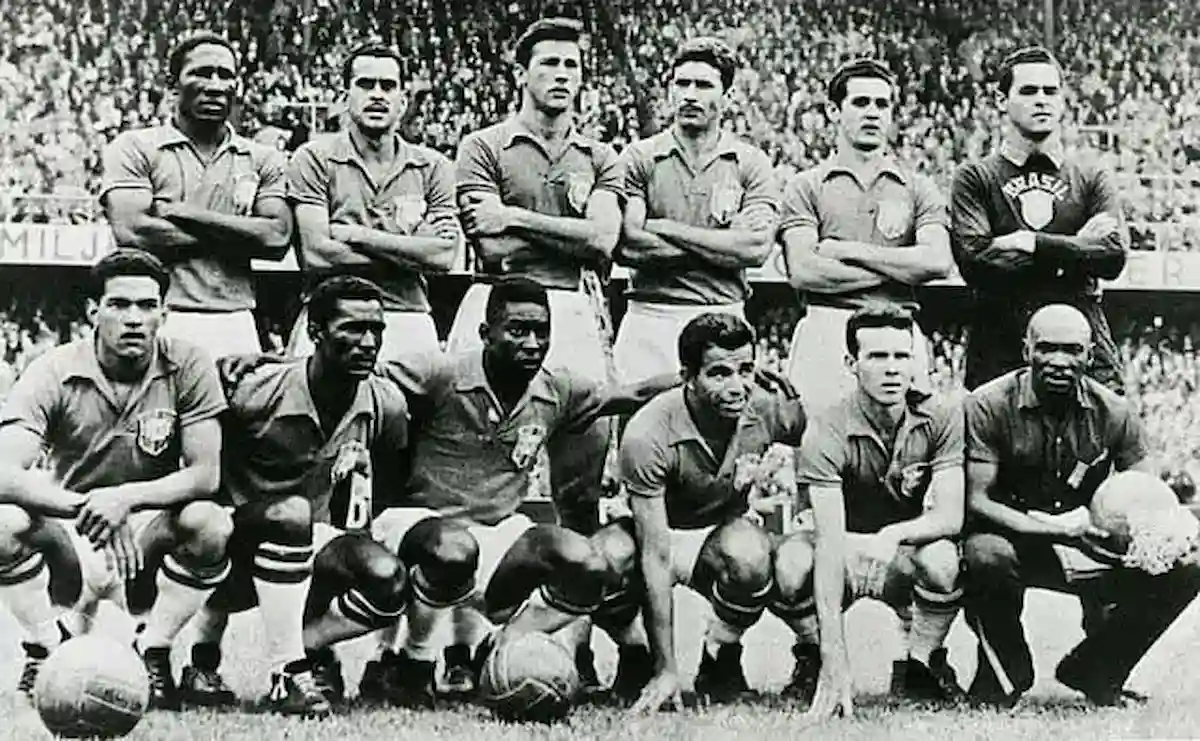
Famous for being the system with which Brazil dazzled the world in 1958. It joined four defenders with four forwards.
- Strengths: Impressive finishing capacity and wingers who stretched opposing defenses.
- Weaknesses: Constant numerical inferiority in midfield.
- Ideal for: National teams with brilliant individual technical skills.
Conclusion
As we have seen, soccer playing systems are not rigid structures. They are an organizational tool that allows eleven players to act in a coordinated manner. The key to success does not lie in choosing the perfect formation, but in selecting the one that empowers the available players and knows how to mutate according to needs. In modern soccer, the system is the map, but adaptability and tactical reasoning are what make the difference.
Frequently Asked Questions on Soccer Formations
What is the best soccer formation?
There is no universal one. The ideal one is the one that adapts to the characteristics of your players (Clemente et al., 2020).
Which system is best for amateur teams?
The 4-4-2 is the most recommended. It is easy to understand, offers natural balance, and requires fewer complex movements.
What is the most offensive formation?
Historically, the 2-3-5. Today, the 3-4-3 or variants that evolve into a 3-2-5 in attack.
What is the most defensive formation?
The 5-4-1. It minimizes the space between lines and the opponent's chances of progression.
Can you change systems during a match?
Yes, it is common. Coaches make structural changes based on the scoreline or match incidents (Rivas, 1999).
Which formation is best for winning matches?
The one that manages to balance defensive solidity with offensive efficacy, while exploiting the opponent's weaknesses.