Factors that influence a football club doctor’s salary
The salary of a football team doctor depends on several key factors:
- Club category and size. It is not the same working for a third-division team as for a Champions League club with an international presence.
- Experience and professional reputation. Having treated elite footballers or being part of medical staff in international competitions can make a significant difference.
- Type of contract. Some clubs hire doctors full-time, while others outsource the service or combine it with private clinics.
- Level of specialization. Having specific training in sports medicine applied to football greatly increases opportunities to work within a club’s technical staff. In addition, certifications endorsed by elite clubs, such as those from, strengthen your credibility as a football doctor in the elite football market. Do you want to know how to become a football club doctor?
- Network of contacts. In football, building relationships is strategic. Many professional opportunities come from recommendations and connections with other sports doctors, fitness coaches, rehabilitation specialists, physiotherapists, players, and other technical staff professionals.
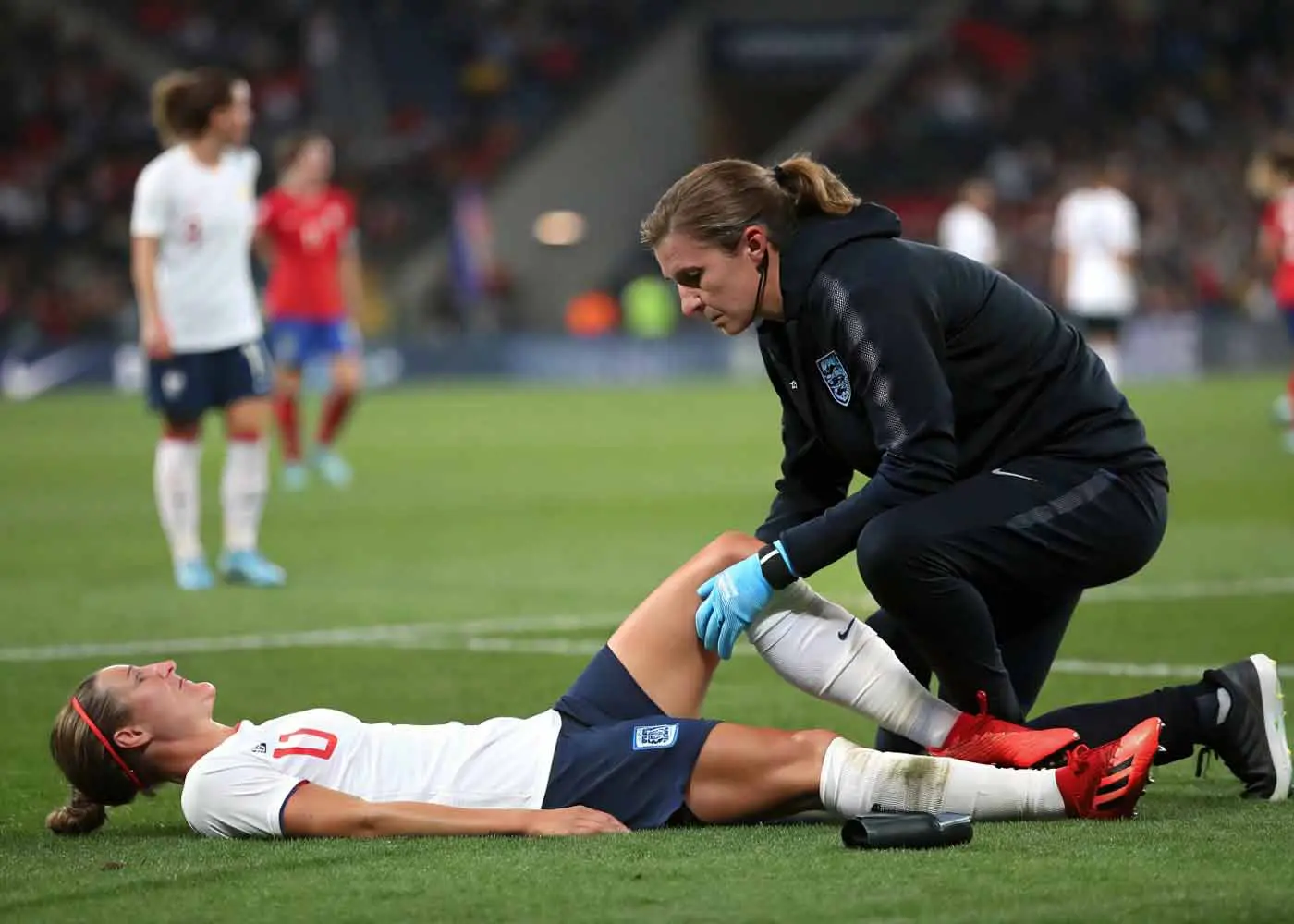
How much does a doctor earn at a football club? [Updated 2026]
In LaLiga (Spain)
In First Division clubs, the salary of a football team doctor usually ranges between €60,000 and €120,000 gross per year, depending on experience, position, and the club’s medical structure. Professionals in strategic roles such as head of medical services or director of sports health may exceed €150,000 per year at major clubs such as Real Madrid or FC Barcelona.
Although clubs do not usually publish these figures officially, salaries are aligned with LaLiga’s high financial level and the cost of professional sports squads.
What does the salary depend on?
The salary of a sports doctor in professional football varies depending on several factors:
- Club category: Champions League teams or clubs with higher budgets tend to offer better conditions.
- Position within the medical staff: a pitch-side doctor does not earn the same as a head of medical services.
- Experience and prestige: specialists in sports traumatology or arthroscopic surgery tend to negotiate higher salaries.
- Exclusivity and availability: many clubs require presence at training sessions, camps, and international travel.
- Results and seniority: some contracts include bonuses for titles, tenure, or team physical performance.
Comparison with other doctors in Spain
To put this into context, the average salary of a doctor in Spain in 2026 is around €54,000 gross per year, while experienced specialists can reach between €70,000 and €90,000 in public or private hospitals.
This means that working in an elite football club can represent a significantly higher salary than traditional medicine, especially due to the specialization in sports medicine and the competitive pressure of the professional environment.
How much do they earn in the Second Division?
In LaLiga Hypermotion (Second Division), salaries are generally more moderate:
- Sports doctors: between €35,000 and €70,000 per year
- Head medical staff in historic or well-funded clubs: up to €80,000–€90,000
The difference is mainly due to lower budgets and tighter salary caps in Second Division clubs.
Other sources of income
Many club doctors complement their income with:
- Private consultations
- Specialized surgeries
- Collaboration with sports clinics
- University teaching
- Conferences and medical consultancy
In some cases, these activities can generate additional income that even exceeds the club salary.
Training required to work in professional football
Most professional club doctors have:
- Medical degree
- MIR specialization (usually traumatology, sports medicine, or rehabilitation)
- Master’s degree in sports medicine
- Previous experience with high-performance athletes
In addition, the ability to work under pressure and make quick decisions during matches and international competitions is key to accessing elite clubs.
In other major European leagues
- Premier League: salaries are the highest in Europe, reaching between €150,000 and €300,000 per year at elite clubs such as Manchester City, Manchester United, or Arsenal, especially in head doctor or sports medicine specialist roles.
- Serie A: salaries usually range between €80,000 and €130,000 per year, although at top clubs like Juventus, Inter, or Milan they can exceed €150,000 in senior medical roles.
- Bundesliga: offers competitive salaries generally between €80,000 and €150,000 per year at top clubs such as Bayern Munich or Borussia Dortmund, with significant increases for leadership positions.
In lower leagues or modest clubs
In lower divisions or clubs with limited budgets, football doctors usually earn between €30,000 and €60,000 per year. In many cases, these professionals combine club work with private practice, hospital emergency shifts, or sports clinic activity.
In these environments, the medical role is usually more versatile: injury care, basic squad monitoring, medical check-ups, and coordination with external traumatology or physiotherapy services.
A profile with real progression opportunities
Sports medicine in professional football offers a career with strong growth potential. Many doctors start in smaller clubs or lower divisions and, with experience, can move up to Second Division teams or even LaLiga’s elite.
Salary progression is usually significant: a doctor can go from earning around €35,000 in lower categories to more than €120,000–€150,000 in First Division clubs, especially if they take on roles such as head of medical services or sports surgery specialist.
In addition, professional reputation, networking in the sports industry, and specialization in high-performance injuries are key factors for advancing in this sector.
Would you like to become a doctor in a professional football club?
Becoming a football sports doctor requires much more than a medical degree. At, our Master’s in Sports Medicine for Football offers specialized training focused on high performance and includes internships at professional clubs worldwide, allowing you to access real opportunities in professional football.