This article was produced in collaboration with Centenarian Road and is a sponsored post. The scientific content is based on published evidence and on the teaching of Dr. Shawn Arent, professor at FSI Training and faculty member at the University of South Carolina.
When it comes to protein in football, most of the conversation tends to revolve around which tub to buy. But most footballers do not get the type of protein wrong; they get how much they consume and when they consume it wrong. In this article, we review what the evidence says, using the key principles Dr. Shawn Arent teaches in his FSI Training course. Dr. Arent is also a co-author of the position stand from the International Society of Sports Nutrition (ISSN) on protein and exercise.
How much protein does a footballer need?
The recommended daily intake for the general population falls short for athletes. For a footballer, a useful reference range is 1.4 to 2 g of protein per kilogram of body weight per day. Within that range, it generally makes sense to move towards the upper end as training load increases and as the player's level becomes more advanced.
There are situations where going even higher may make sense. In lean, trained athletes undergoing a substantial energy deficit, protein requirements may increase. Some reviews suggest around 2.3–3.1 g/kg of fat-free mass per day, particularly when the goal is to preserve muscle mass.
One practical point Arent repeatedly emphasises: protein should be calculated in grams per kilogram, not as a percentage of the diet. It is the fixed foundation of the nutrition plan. Protein intake is established first, and carbohydrates and fats are then adjusted according to energy expenditure.
| Body weight | Protein per day |
|---|---|
| 60 kg | 84–120 g |
| 65 kg | 91–130 g |
| 70 kg | 98–140 g |
| 75 kg | 105–150 g |
| 80 kg | 112–160 g |
| 85 kg | 119–170 g |
| 90 kg | 126–180 g |
The higher the training load and the player's level, the closer they should generally be to the upper end of the range.
How much protein per serving? The 20-gram myth
The idea that the body can only use 20 g of protein per meal has no scientific basis. What does happen is that the stimulation of muscle protein synthesis tends to plateau beyond a certain dose. A useful reference per serving is around 0.25 g/kg, or approximately 20–40 g of high-quality protein.
There is an additional consideration for football: following whole-body exercise, 40 g has been shown to stimulate muscle protein synthesis more than 20 g. For larger players or on particularly demanding training days, aiming towards the upper end of the range may be reasonable.
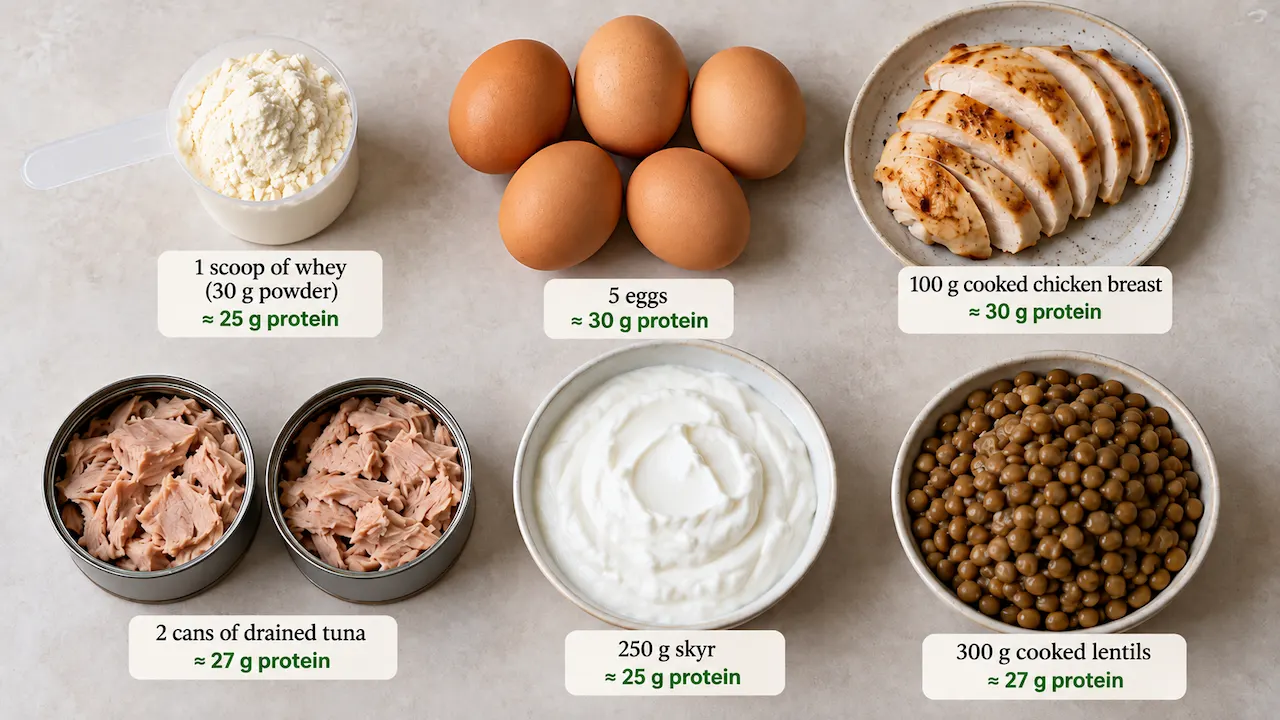
Why protein quality matters: the role of leucine
Not all proteins are the same. The key lies in essential amino acids, which the body cannot produce itself, and particularly in leucine. This amino acid acts like a switch: it activates the mTORC1 signalling pathway, which helps initiate muscle protein synthesis.
Each meal is an opportunity to reach the leucine threshold, which is around 2.5–3 g per serving. That is why it is important to choose protein sources with a complete essential amino acid profile and a good leucine content. Protein sources can be compared using indices such as PDCAAS or the more recent DIAAS, which reflect protein quality and digestibility.
Types of protein: which one should you choose?
Whey concentrate vs isolate: the real differences
Both come from milk whey and are rapidly digested, with a high leucine content. The main difference lies in the degree of filtration:
- Whey concentrate: typically around 70–80% protein. It retains some lactose and fat and is usually more affordable.
- Whey isolate: 90% protein or more, with minimal lactose and fat. It is generally slightly more expensive.
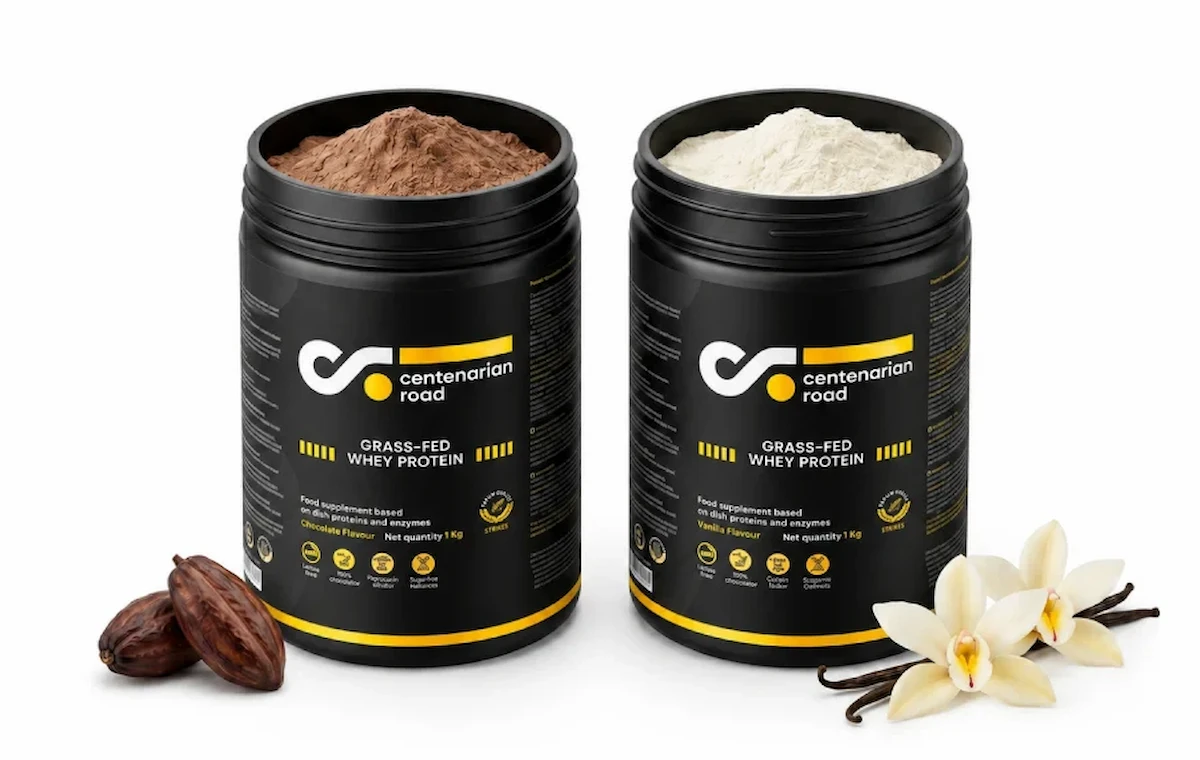
When it comes to stimulating muscle protein synthesis, the practical difference is small as long as the total protein dose and leucine content are sufficient. Isolate is particularly useful for players with lactose intolerance, digestive discomfort, or during calorie-restricted phases where every calorie matters.
Casein: the slow-digesting protein
Casein also comes from milk, but it is digested much more slowly than whey. This provides a sustained supply of amino acids over several hours, making it particularly useful before sleep. In addition to supplements, casein is found in foods such as cottage cheese and some Greek yoghurts.
Plant-based protein: it works, but it requires planning
A vegan footballer can build muscle and perform at the highest level. However, plant-based protein sources have some disadvantages that are worth understanding:
- Less leucine. This is why many plant-based protein powders are enriched with leucine or combine different sources, such as pea and rice, to improve the amino acid profile. If using a plant-based protein, it is worth checking that the leucine threshold is reached.
- More fibre. Fibre slows digestion. Immediately after training, a plant-based protein powder may be a more practical option than a large serving of legumes.
- More volume and calories may be required to reach the same amount of protein because plant foods often come with more carbohydrate.
- Nutrients to monitor: vitamin B12, iron and creatine, which are abundant in animal-derived foods and less available in plant-based sources.
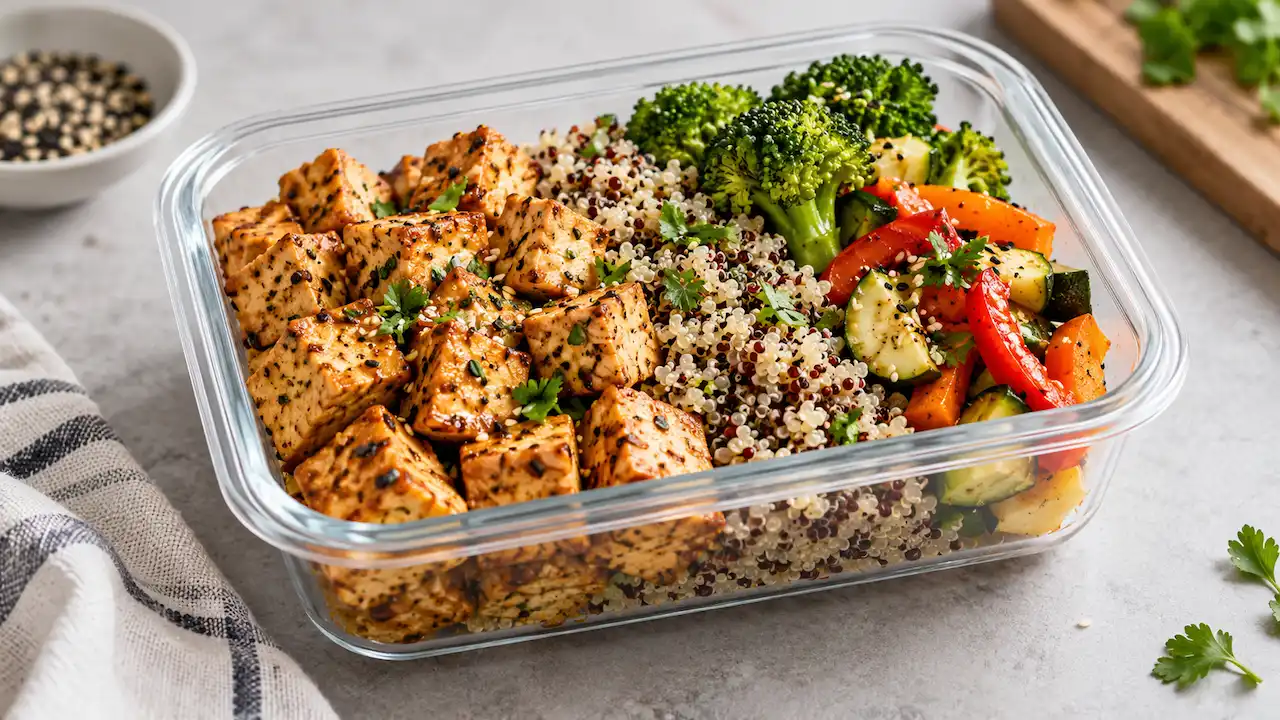
Other high-quality plant-based protein sources include soy, hemp and quinoa. Combining them with animal protein, if the diet allows, can provide another effective way to achieve a complete amino acid profile.
When should you take protein? Timing in football
A meta-analysis by Schoenfeld and colleagues (2013) concluded that total daily protein intake matters more than consuming protein immediately after training. That is true: total daily intake is the cake, and timing is the icing. But that does not mean timing is irrelevant. Most of the studies included compared protein with placebo without matching total protein intake, and very few were conducted in trained athletes. In the studies that did involve trained individuals, consuming protein around training, particularly together with carbohydrates, showed benefits.
Arent explains this using a very visual analogy. The anabolic effect of exercise lasts for at least 24 hours, but gradually declines. Rather than an "anabolic window", it is better thought of as a garage door of opportunity. The question is not how long you can wait, but how much of the opportunity you can take advantage of. There is no benefit to deliberately waiting.
After training: protein and carbohydrates
Consuming protein after training supports muscle repair and helps reduce muscle damage and soreness. When combined with carbohydrates, it also helps limit muscle protein breakdown and replenish glycogen, which is particularly important before the next training session. Timing becomes increasingly relevant for more advanced players, longer sessions and periods of accumulated workload, such as double training sessions during preseason, tournaments or several matches within a short period.
Spread protein every 3–4 hours and before bed
Distributing protein evenly every 3–4 hours can provide a more consistent recovery response and makes it easier to reach the daily target across 4–5 servings. The final opportunity of the day is before sleep: consuming a slow-digesting protein such as casein can improve overnight muscle protein synthesis. Pre-sleep protein has not been associated with increased body fat or impaired metabolism the following day.
Practical summary for footballers
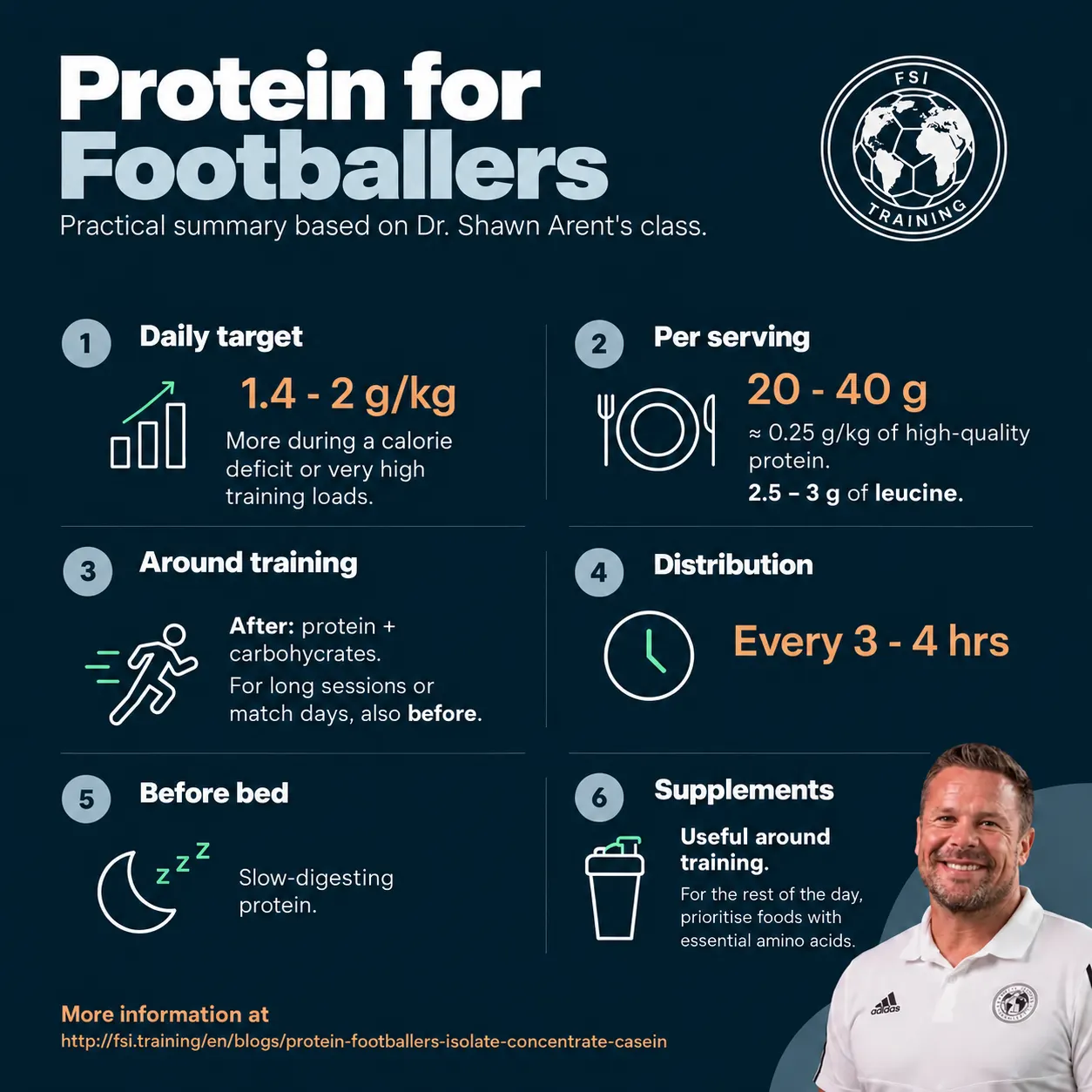
- Daily target: 1.4–2 g/kg, with higher intakes potentially useful during calorie restriction or periods of very high training load.
- Per serving: 20–40 g (0.25 g/kg) of high-quality protein, with around 2.5–3 g of leucine.
- After training, consume protein and carbohydrates. For long sessions or match days, protein before exercise can also be useful.
- Spread protein intake every 3–4 hours.
- Include a serving before bed, ideally a slow-digesting protein, to finish the day.
- Supplements are a practical tool around training; throughout the rest of the day, prioritise foods that provide all essential amino acids.
Frequently asked questions about protein in football
Is it bad to take protein powder every day?
No, not in healthy individuals. Protein powder is simply another food source and can be a practical way to reach your daily protein target or consume protein immediately after training. The important point is that it should not replace whole foods. A competitive footballer should choose supplements with third-party anti-doping certification, such as Informed Sport, to reduce the risk of contamination.
Which is better, whey isolate or whey concentrate?
For building or maintaining muscle, the difference is small if total protein intake and leucine requirements are met. Isolate contains more protein and very little lactose or fat, making it a better option for people with lactose intolerance, digestive discomfort or during calorie-restricted phases. In most other situations, concentrate works just as well and is usually more affordable.
When is the best time to take casein?
Before bed. Because it digests slowly, casein releases amino acids over several hours and supports overnight muscle protein synthesis. A serving of 30–40 g is commonly used in research. In addition to supplements, casein can also be obtained from foods such as cottage cheese or casein-rich yoghurts.
Can you take protein before a match?
Yes. Including protein in the pre-match meal, around 1–3 hours before kick-off, helps ensure amino acids are available for recovery. That meal should generally be low in fat and fibre to reduce digestive discomfort, while carbohydrates should remain the main nutritional priority. After the match, consume another serving of protein together with carbohydrates.
How long do I have after training to take protein?
The anabolic effect of training lasts for at least 24 hours, so there is no 30-minute "window" that suddenly closes. However, that does not mean timing is irrelevant: there is no advantage to deliberately waiting. Ideally, consume protein within the first few hours after training and continue distributing it throughout the day.
Can you build muscle with plant-based protein?
Yes. A vegan or vegetarian footballer can build muscle mass and perform at the highest level. The key is proper planning: combine protein sources, such as pea and rice, choose proteins enriched with leucine where appropriate, and potentially consume a slightly higher total amount to compensate for lower protein quality and digestibility.
Is eating a lot of protein bad for your kidneys?
In healthy individuals, the available evidence has not found negative effects on kidney function from high protein intakes, even at levels above typical sports nutrition recommendations. The situation is different for people with kidney disease, where protein intake should be determined by a medical professional.
Can young footballers take protein powder?
For growing players, the priority should be to meet nutritional needs through whole foods. Dairy products, eggs, meat, fish and legumes are generally sufficient. Supplements only make sense when the diet does not meet requirements and should always be used under the supervision of a registered dietitian-nutritionist or doctor.
References
- Jäger R, Kerksick CM, Campbell BI, et al. International Society of Sports Nutrition Position Stand: protein and exercise. J Int Soc Sports Nutr. 2017;14:20. doi:10.1186/s12970-017-0177-8
- Arent SM, Cintineo HP, McFadden BA, Chandler AJ, Arent MA. Nutrient Timing: A Garage Door of Opportunity? Nutrients. 2020;12(7):1948. doi:10.3390/nu12071948
- Cintineo HP, Arent MA, Antonio J, Arent SM. Effects of Protein Supplementation on Performance and Recovery in Resistance and Endurance Training. Front Nutr. 2018;5:83. doi:10.3389/fnut.2018.00083
- Schoenfeld BJ, Aragon AA, Krieger JW. The effect of protein timing on muscle strength and hypertrophy: a meta-analysis. J Int Soc Sports Nutr. 2013;10:53. doi:10.1186/1550-2783-10-53
- Macnaughton LS, Wardle SL, Witard OC, et al. The response of muscle protein synthesis following whole-body resistance exercise is greater following 40 g than 20 g of ingested whey protein. Physiol Rep. 2016;4(15):e12893. doi:10.14814/phy2.12893
- Beale DJ. Evidence inconclusive – comment on article by Schoenfeld et al. J Int Soc Sports Nutr. 2016;13:37. doi:10.1186/s12970-016-0148-5
- Xipsiti M. Protein quality evaluation: FAO perspective. Front Nutr. 2024;11:1446879. doi:10.3389/fnut.2024.1446879
- Res PT, Groen B, Pennings B, et al. Protein ingestion before sleep improves postexercise overnight recovery. Med Sci Sports Exerc. 2012;44(8):1560-1569. doi:10.1249/MSS.0b013e31824cc363
Powered by Froala Editor