If you want to know what to study to become a football strength and conditioning coach, in this guide we explain the ideal educational pathway and why specializing in football is key to working at a club.
The foundation to become a strength and conditioning coach: a university degree in Sports Science or similar
If you’re wondering how to become a football strength and conditioning coach, the first step is to obtain a degree in Sports Science (or a related field). This education provides the theoretical and practical foundation needed to optimize players’ physical performance, with knowledge in:
- Anatomy and sports physiology.
- Biomechanics and injury prevention.
- Training methodology.
From here, the next step is to specialize in football-specific strength and conditioning.
Why is specialization in football necessary for a strength and conditioning coach?
Football is a sport with very specific physical demands. General strength and conditioning knowledge is not enough; specializing in football makes the difference in both player performance and injury prevention.
- Increased intensity and professionalization of football. Players now cover greater distances at higher speeds than 20 years ago. Modern football requires specific physical planning that balances endurance, strength, and recovery.
- Workload management and injury prevention. With increasingly demanding seasons and more matches per year, managing rest and recovery is essential. A specialized coach knows how to adjust training loads to prevent injuries.
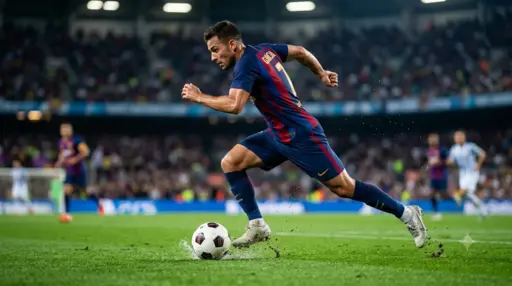
- Adaptation to football-specific demands. Football requires explosive accelerations, constant changes of pace, and anaerobic endurance—abilities that are not trained the same way in other sports.
- Use of technology and performance science. Professional football uses GPS, data analysis, and biomechanical tools to personalize training and optimize performance.
- Multidisciplinary work within elite coaching staffs. Their role is coordinated with doctors, physiotherapists, nutritionists, and coaches, designing individualized plans for each player.
Specializing in football: where and what to study to become a football strength and conditioning coach?
There are different pathways to specialize if you’re wondering how to become a strength and conditioning coach in a football team:
— Universities without football specialization:
- They offer master’s degrees in strength and conditioning with a generalist approach.
- Their programs include education across multiple sports without going deep into the specific needs of football.
- They can be valid options, but they lack direct links with football clubs.
— FSI Master in Football Strength & Conditioning:
- 100% online program, accessible from anywhere in the world, in English and Spanish.
- Exclusive focus on football, with constantly updated content.
- Elite faculty, including strength coaches working in professional clubs, top researchers, and world-leading experts.
- Internships in more than 40 football clubs, helping you access the job market worldwide.
- Practical approach and real-world application, integrating real cases to maximize the value of theoretical knowledge.
Testimonials and real experiences from strength and conditioning coaches
Many FSI Training students have gone on to work in clubs after completing their education. Jesús Olivares and Pablo Trueba, for example, managed to enter professional football thanks to the internships linked to the master’s program. You can watch their experience in this FSI Talks.
Considerations before choosing this career
Before making a decision, it is important to assess the job opportunities as a strength and conditioning coach and the salary of a football strength and conditioning specialist.
In conclusion, you now know that what to study to become a football strength and conditioning coach starts with a degree in Sports Science, but the key lies in specializing in football. A master’s program such as the Football Strength & Conditioning Master at FSI Training provides you with the knowledge, network, and practical training needed to access professional clubs.