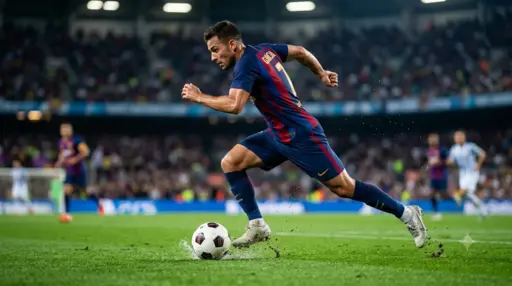
Becoming a professional football coach requires official training, practical experience, and constant dedication. Success depends not only on obtaining the necessary certifications, but also on gaining real experience managing football teams to coach at different levels and developing leadership skills through hands-on training with football teams.
Training and certifications for football coaches
The training required to become a professional football coach begins with obtaining official certifications that qualify you to manage teams at different levels. The licensing system includes three progressive levels: Level 1 for grassroots football, Level 2 for amateur and semi-professional teams, and Level 3, which allows you to work at a professional football club and in high-level competition.
In addition to basic licenses, complementary training in sports psychology, physical conditioning, and tactical analysis enhances your profile as a football coach. Continuous learning through specialized courses is essential to stay competitive in a constantly evolving sport.
Skills and technical competencies of a football coach
Tactical and strategic knowledge
Mastering game systems, formations, and tactical variations is essential for any professional football coach. This includes analyzing game patterns, defensive and offensive transitions, and adapting strategies based on the opponent and match conditions.
A successful football coach must have in-depth knowledge of systems such as 4-3-3, 4-2-3-1, 3-5-2, and their variations, as well as knowing when to apply high pressing, positional play, or fast counterattacks. Tactical management during matches, including strategic substitutions and real-time adjustments, often determines success when aiming to work in a football club at any competitive level.
Video analysis and team scouting
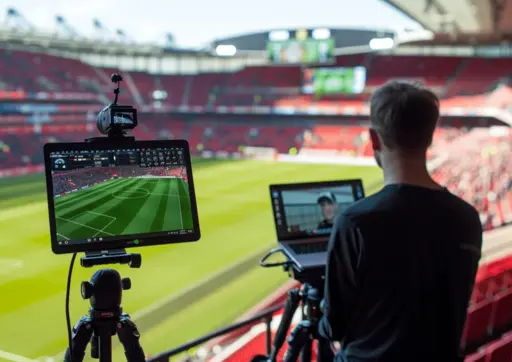
The use of technology to analyze team performance and study opponents has become essential in modern football. As a coach, you must interpret statistical data, identify strengths and weaknesses (both your team’s and the opponent’s), and produce detailed technical reports.
Scouting includes analyzing set pieces, defensive movements, and attacking patterns. This skill is crucial to becoming a professional football coach and standing out in selection processes for working in a football club that values advanced analysis.
Training methodology and physical preparation
Planning effective training sessions and coordinating physical preparation requires specialized knowledge in sports periodization. To work in a professional football club, you must master microcycle and mesocycle planning, injury prevention, and performance optimization.
A competent football coach must be able to design specific exercises for strength, endurance, speed, and agility adapted to modern football. Integrating physical preparation with technical and tactical work is key to building a successful career as a professional football coach.

Leadership and football team management
Sports leadership is essential for any professional football coach aiming to work in a football club. Communication between coach and players must be effective and motivating.
A successful coach must master sports psychology, conflict resolution, and team cohesion. Coaching skills also include adapting to different personalities and managing pressure within teams.
To become a professional football coach, career development in football requires refining both technical and soft skills. Effective locker room management often determines the success of a project, regardless of individual talent.
Coaching career and professional development
The first steps include seeking coaching opportunities in local teams and academies. Your first role may be as a grassroots coach or youth team manager, where practical experience allows you to apply your coaching license.
Professional development in football requires combining continuous training with hands-on experience. To progress from youth coaching to professional levels, you must master key competencies such as football tactics. Advancement depends on delivering results and keeping your coaching certification up to date.
The most comprehensive master’s program for sports coaches
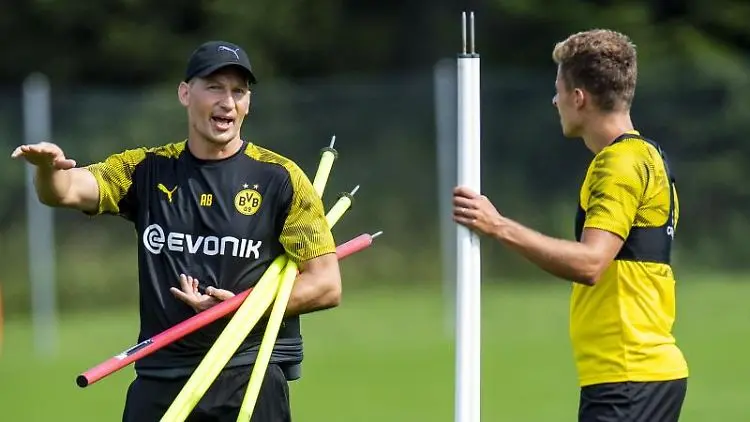
Practical experience is what transforms theoretical knowledge into real coaching skills. Working with teams allows you to apply tactical knowledge, training methodology, and team management in real situations.
At FSI Training, the Master's Football High Performance Coach includes supervised practical experience with real teams, where you can coach under the guidance of experienced professionals.
Do you want to stay up to date with the latest news?
Stay informed about everything happening at FSI Training by subscribing to our newsletter and following us on social media.