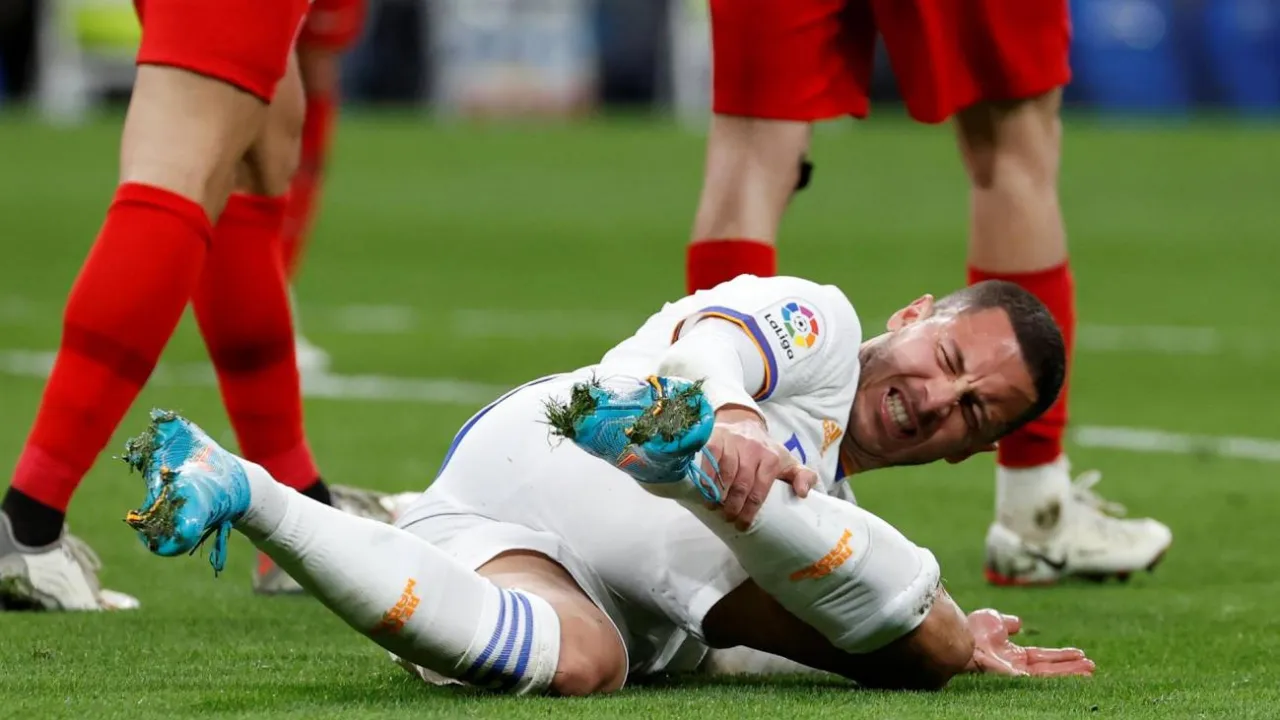
Most common types of sports injuries
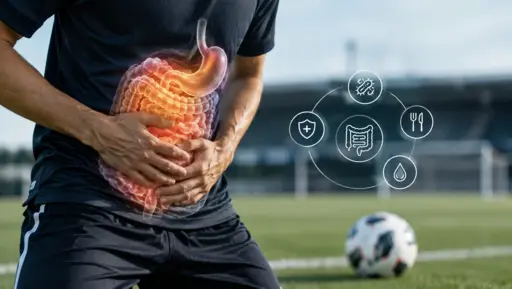
The most common sports injuries mainly affect muscles, joints, and bones, with muscle strains, ankle sprains, and tendinitis being the most frequent among athletes. These injuries are usually caused by overuse, direct trauma, or improper movements during sports practice.
Sports injury prevention is essential to avoid interruptions in training and competition. Proper warm-ups, balanced muscle strengthening, and correct technique significantly reduce the risk of these common injuries. Recognizing early symptoms and acting preventively can help avoid major complications that require long rehabilitation periods.
Phases of sports injury rehabilitation
Acute phase: Pain and inflammation control
The acute phase of an injury includes the first 48–72 hours after trauma, a critical period where the main goal is to control inflammation and minimize pain. During this stage, the RICE protocol (rest, ice, compression, and elevation) remains the standard treatment to reduce the inflammatory response of injured tissue.
Proper management of the acute phase significantly determines the success of the rehabilitation process. Early application of anti-inflammatory therapies, along with protection of the affected area, prevents complications and lays the foundation for optimal recovery. An accurate diagnosis during this phase allows professionals to plan the most effective treatment for each specific injury.
Functional recovery and strengthening phase
The functional recovery phase begins once acute inflammation is under control and focuses on restoring full range of motion and lost muscle strength. During this stage, progressive therapeutic exercises help regain functionality while strengthening surrounding muscles to provide stability and support.
Functional strengthening should be sport-specific, incorporating movements that replicate real game actions. This phase includes proprioception, balance, and coordination exercises to prepare the athlete for the physical demands of their sport. Gradual and controlled progression helps prevent relapses and ensures a solid foundation for a safe return to activity.
Return-to-sport and prevention phase
The return-to-sport phase represents the final stage of rehabilitation, where the athlete gradually regains intensity and sport-specific performance. This phase includes specific functional tests that assess the athlete’s ability to perform complex movements safely, ensuring full recovery of pre-injury performance levels.
A safe return to sport requires not only full physical recovery but also the implementation of long-term prevention strategies. Maintenance programs include strengthening exercises, stretching, and proprioceptive training, which significantly reduce the risk of reinjury. This preventive phase becomes an integral part of regular training to maintain joint and muscle health.
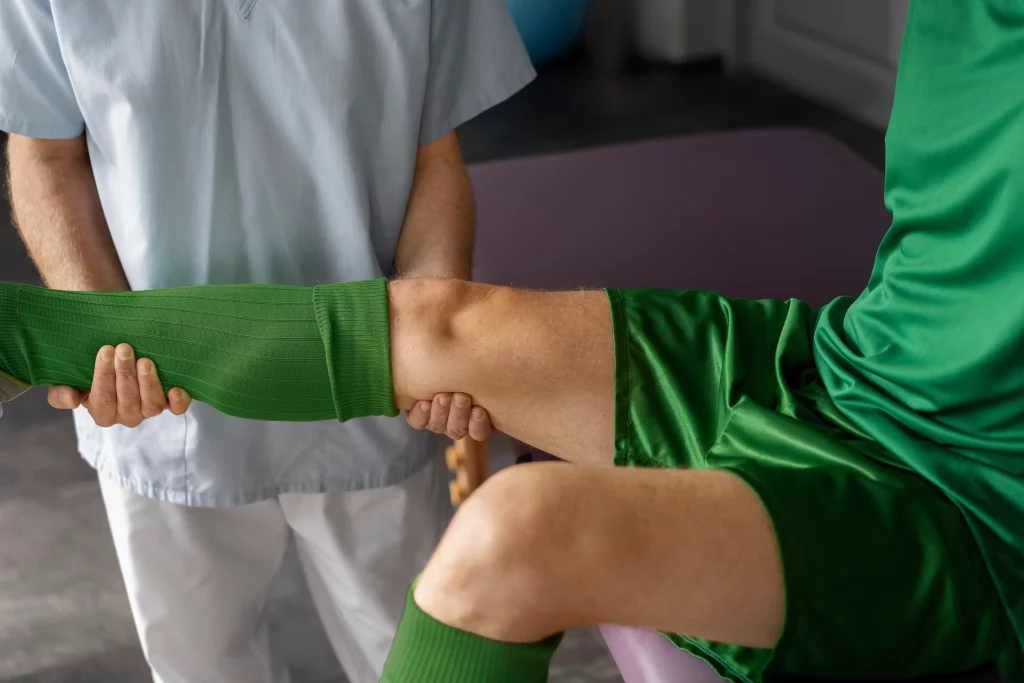
Professional rehabilitation techniques
Professional rehabilitation techniques have evolved significantly, incorporating advanced methods that accelerate recovery and optimize performance. Specialized manual therapy, including joint mobilization and myofascial release, forms the foundation of professional treatment to restore normal tissue function.
Specific therapeutic exercises are combined with advanced technologies such as electrotherapy, therapeutic ultrasound, and laser therapy to enhance natural healing processes. Functional sports training is also essential, simulating sport-specific movements to prepare the athlete for real performance demands.
The application of these rehabilitation techniques must be individualized based on the type of injury, the sport practiced, and the athlete’s characteristics. Sports medicine professionals use evidence-based protocols that ensure optimal results and significantly reduce recovery time.
Injury prevention in athletes
Sports injury prevention is key to maintaining consistent athletic performance. Effective prevention programs include dynamic warm-ups, sport-specific strengthening, and regular biomechanical assessments to identify risk factors before they develop into injuries.
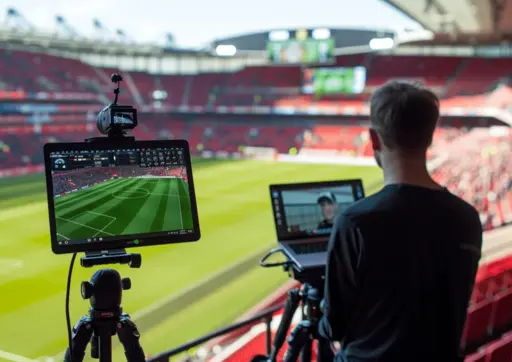
Preventive training should combine stability, flexibility, and proprioceptive exercises tailored to each sport. Modern preventive techniques use movement analysis and load monitoring to optimize physical preparation, significantly reducing injury rates and maximizing athlete availability.
Looking to specialize in injury treatment and prevention in football players?
FSI Training offers the most comprehensive master’s program in sports rehabilitation, specifically designed for professionals working with football teams.
This Injury Prevention Master’s Program combines advanced theoretical education with supervised practical experience, where students learn the most effective reconditioning techniques used by top professional clubs. The program includes specific protocols for the most common football injuries and innovative prevention methodologies.
The opportunity to become an expert in sports rehabilitation and make a difference in players’ careers is available through this specialized program. Full details about the course and professional specialization process can be found at FSI Training.

Do you want to stay up to date with the latest news?
Stay informed about everything happening at FSI Training by subscribing to our newsletter and following us on social media.