
What to Have for Breakfast Before a Football Match: Best Options to Fuel Your Performance
Nutrition plays a fundamental role in every football player's performance. Arriving at a match with adequate energy stores can make a significant difference in endurance, concentration, and the ability to perform high-intensity actions throughout the game.
That is why one of the most common questions among players and coaches is: what should you eat for breakfast before a football match to perform at your best?
Nutrition has become one of the key pillars of modern football performance. According to experts from the FIFA Training Centre, an effective nutrition strategy helps optimize both performance and recovery in football players.
Whether at amateur or professional level, every detail matters. Training, recovery, and tactical preparation are essential, but proper nutrition can be the factor that allows players to maintain intensity throughout the full 90 minutes. In fact, many elite clubs work with specialized sports nutritionists who create personalized plans based on each player's physical demands, playing position, and training load.

Why Is Breakfast Important Before a Football Match?
After several hours of fasting overnight, the body needs to replenish its energy stores to cope with the physical and mental demands of competition.
A balanced breakfast helps maintain stable blood glucose levels and provides the energy needed to perform throughout the match.
Some of its main benefits include:
- Supporting physical performance.
- Improving concentration and decision-making.
- Reducing feelings of fatigue.
- Enhancing post-match recovery.
- Helping maintain consistent energy levels during the game.
Scientific consensus in football nutrition highlights that proper dietary strategies are essential for promoting health and optimizing athletic performance.
In addition, a well-planned breakfast may help prevent gastrointestinal discomfort during competition. Choosing easily digestible foods that suit the individual player's needs can improve comfort and confidence on match day.
What Should a Football Player's Breakfast Include?
There is no single perfect breakfast for every player, but there are several general recommendations commonly applied in sports nutrition.
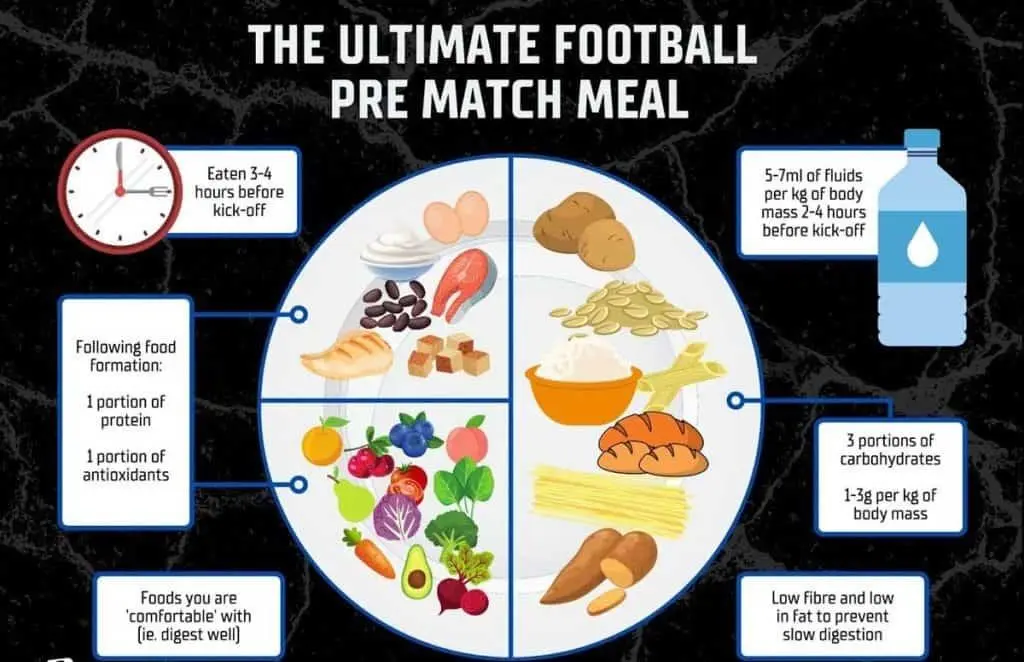
Carbohydrates: The Main Source of Energy
Carbohydrates should form the foundation of any pre-match breakfast, as they are the body's primary fuel source during high-intensity exercise.
Current football nutrition guidelines continue to emphasize the importance of ensuring adequate carbohydrate availability before competition to support physical performance throughout the match.
Some recommended options include:
- Bread or toast.
- Oats.
- Breakfast cereals.
- Fresh fruit.
- Honey or jam.
These foods help replenish muscle glycogen stores, which are essential for explosive actions such as sprinting, jumping, and changing direction during a game.
Protein in Moderate Amounts
Protein complements breakfast and helps support muscle maintenance and recovery.
Common options include:
- Natural yogurt.
- Milk.
- Fresh cheese.
- Eggs.
While carbohydrates should remain the priority before competition, including a moderate amount of protein may increase satiety and contribute to preserving muscle mass.
Hydration
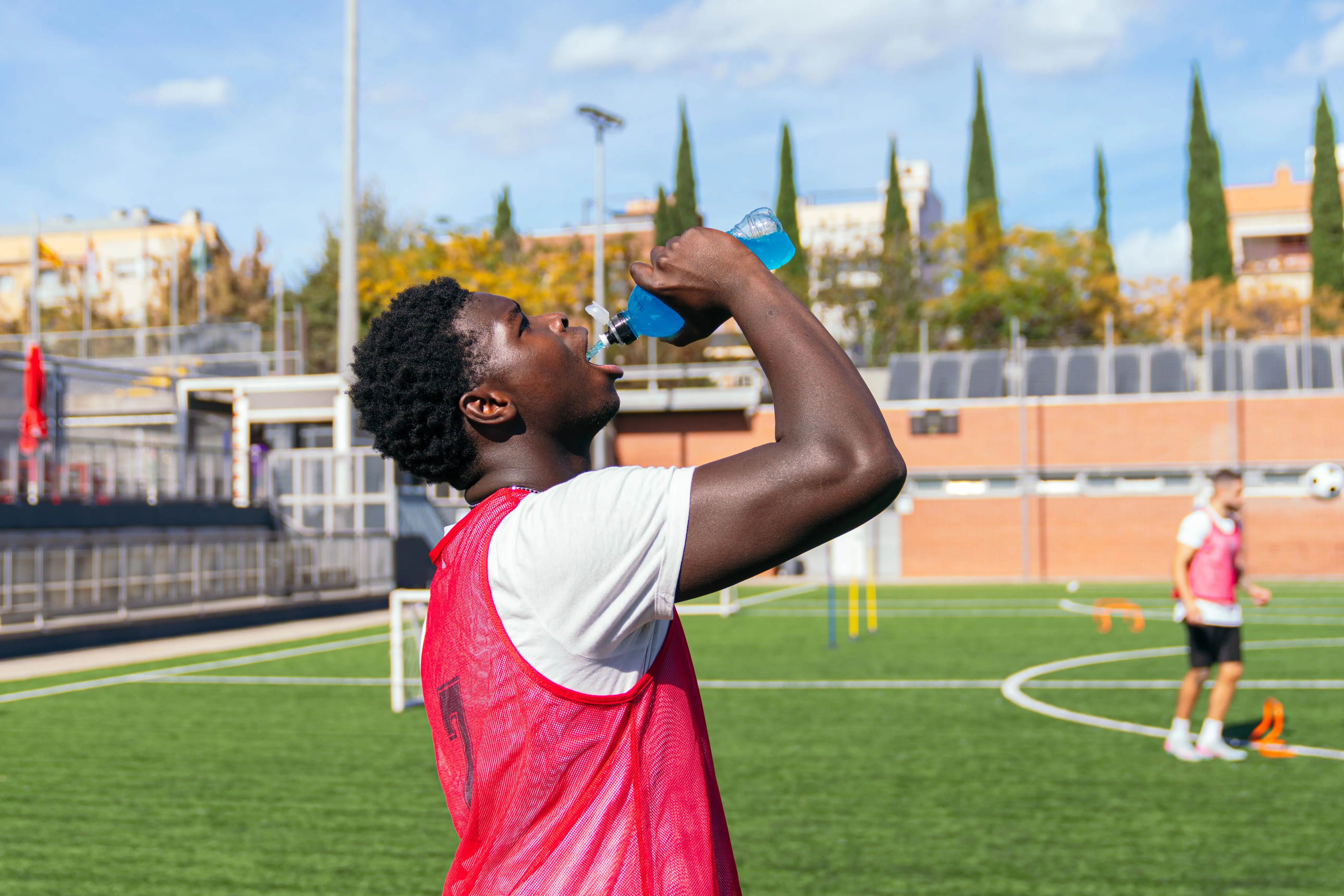
Being properly hydrated is just as important as eating the right foods.
Players should accompany breakfast with:
- Water.
- Natural fruit juices.
- Sports drinks when necessary.
Hydration is a fundamental component of a football player's nutritional preparation and one of the factors that most strongly influences both physical and cognitive performance during competition.
Even mild dehydration can negatively affect reaction time, decision-making, and endurance—key attributes in a demanding sport like football.
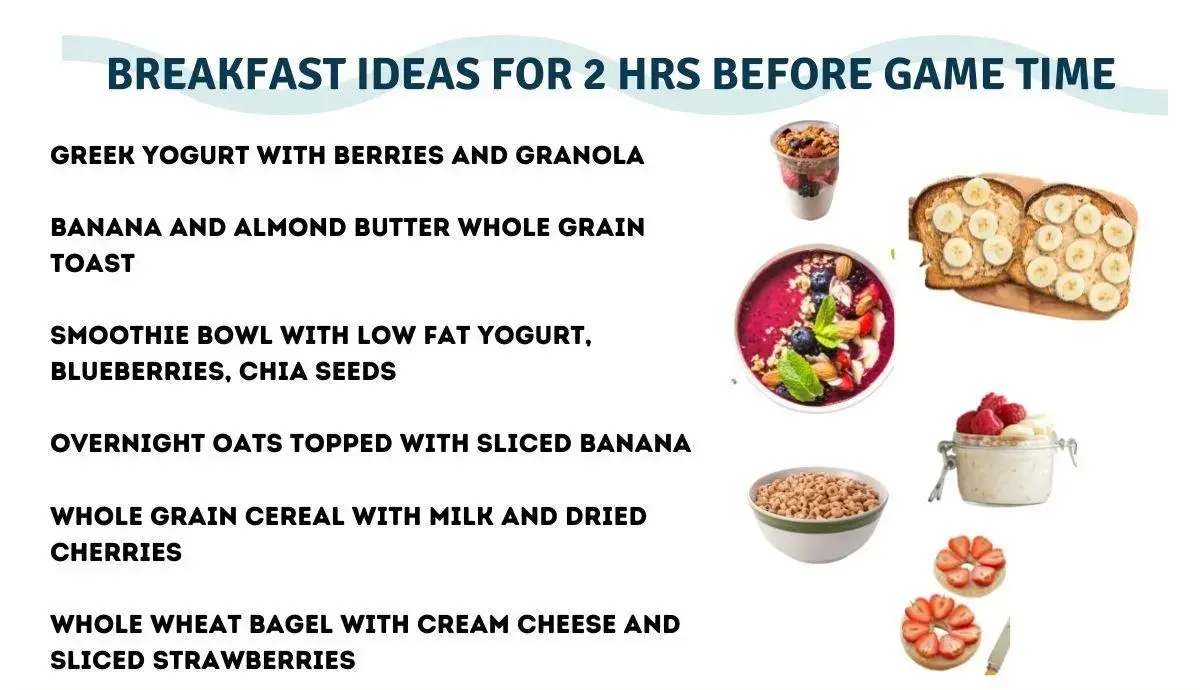
Examples of a Pre-Match Football Breakfast
Although every footballer has different nutritional needs, experts generally recommend prioritizing easily digestible, carbohydrate-rich foods before competition.
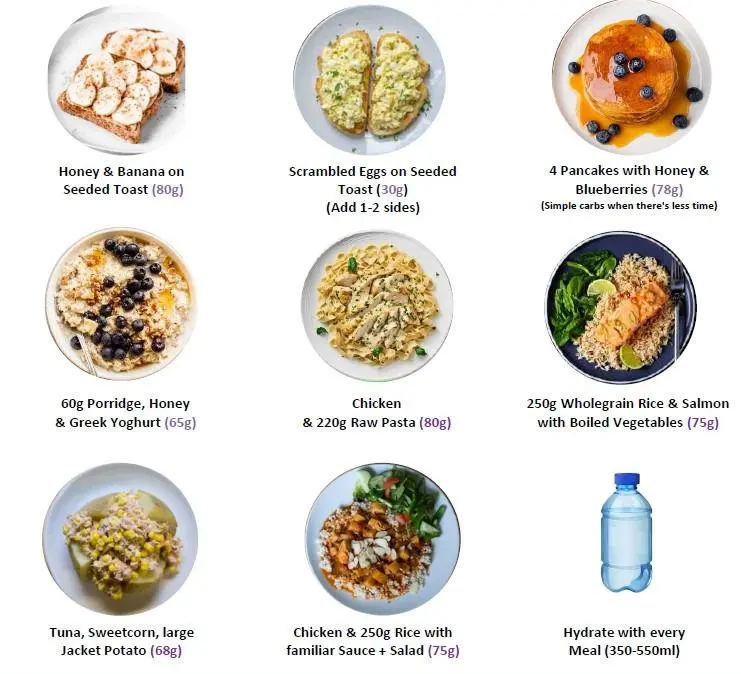
Option 1: Balanced Breakfast
- Toast with jam.
- Natural yogurt.
- Banana.
- Water.
Option 2: Complete Breakfast
- Oatmeal with milk.
- Fresh fruit.
- Toast with honey.
- Water.
Option 3: Light Breakfast
- Yogurt.
- Rice cakes.
- Banana.
- Water.
Option 4: High-Energy Match Day Breakfast
- Oat flakes.
- Toast with honey.
- Banana.
- Natural yogurt.
- Water or an isotonic sports drink.
This option is particularly suitable for players facing physically demanding matches or long periods of intense activity.
Foods to Avoid Before Playing Football
Knowing what to avoid before a match is just as important as knowing what to eat.
High-Fat Foods
Fried foods, fast food, and pastries can slow digestion and lead to feelings of heaviness during the game.
Excessive Sugar
Highly sugary products may cause a rapid spike in energy followed by a sharp drop in performance.
Foods High in Fiber
Although fiber is generally beneficial for health, consuming large amounts shortly before competition may cause digestive discomfort in some players.
For this reason, it is advisable to avoid unusually large breakfasts or unfamiliar foods on match day.
How Long Before a Match Should You Eat Breakfast?
The most common recommendation is to eat breakfast approximately three to four hours before kick-off. 
Sports nutrition specialists recommend consuming the main pre-match meal with enough time to allow proper digestion and ensure optimal energy availability during competition.
If the match takes place early in the morning, a small snack around one hour before kick-off can help top up energy levels.
Suitable options include:
- A piece of fruit.
- An energy bar.
- A yogurt.
It is also important for players to test their nutritional strategies during training sessions. Match day is not the ideal time to experiment with new foods.
Nutrition Is Part of Performance
Football performance depends on much more than training sessions and tactical preparation. Nutrition is a key factor in competing at the highest level and performing consistently throughout the season.
Understanding what to eat for breakfast before a football match can help optimize energy levels, improve concentration, and reduce the risk of fatigue during competition. A well-planned nutritional strategy can become a competitive advantage for both amateur and professional football players.
At FSI Training, we understand football from a holistic perspective, addressing essential areas such as physical preparation, coaching methodology, sports nutrition, and specialized education for the next generation of football professionals.