Why Has Sports Nutrition Become One of the Fastest-Growing Areas in Health Sciences?
The growth of sports nutrition is not solely driven by the increasing number of professional athletes. In recent years, interest in physical performance, injury prevention, and health improvement through nutrition has expanded significantly, fueled by trends such as fitness, strength training, running, endurance sports, and the widespread use of physical activity tracking applications.
This phenomenon has transformed sports nutrition from an exclusive service for elite athletes into an essential component of the health strategies of active individuals, sports clubs, high-performance centers, sports medicine clinics, and even technology companies focused on digital wellness.
Scientific research has also contributed to this evolution. The International Society of Sports Nutrition (ISSN) states that proper nutritional planning can enhance recovery, optimize muscle protein synthesis, support glycogen replenishment, and improve athletic performance across different sports disciplines. Furthermore, it emphasizes that nutritional strategies should be tailored to each athlete’s individual characteristics, training demands, and competitive season phase.
The increasing complexity of these interventions has generated a growing demand for specialized professionals capable of interpreting scientific evidence, designing personalized nutrition programs, and collaborating effectively with strength and conditioning coaches, sports physicians, physiotherapists, and performance analysts.
For this reason, sports organizations are seeking professionals with advanced training that combines expertise in exercise physiology, body composition, evidence-based sports supplementation, sports technology, and data analysis. Specialization is no longer a competitive advantage—it has become an essential requirement for accessing the most sought-after positions in the industry.
The Sports Nutrition Market Revolution
The global sports nutrition market is experiencing unprecedented growth. According to recent projections, it is expected to reach $24.9 billion by 2030, representing an annual growth rate of 8.9%.
This growth not only creates more opportunities but also drives the emergence of specialized niches that require highly qualified professionals. This is where a Master’s Degree in Sports Nutrition makes a significant difference, providing the competencies needed to stand out in an increasingly competitive marketplace.
Most In-Demand Specializations in Sports Nutrition
The role of the sports nutritionist has evolved considerably over the past decade. Today, professionals in this field not only work with elite athletes but also operate in increasingly specialized areas that require advanced knowledge and continuous professional development.
Nutrition for Muscle Gain
Optimizing body composition is one of the most common goals among both athletes and physically active individuals. Sports nutrition specialists design strategies focused on protein synthesis, muscle recovery, and nutritional periodization to promote muscle growth without compromising performance.
Nutrition for Fat Loss and Body Recomposition
Reducing body fat while maintaining muscle mass is one of the greatest challenges in competitive sports and weight-category disciplines. Achieving this objective requires individualized planning based on energy expenditure, training demands, and the athlete’s physiological needs.
Nutrition for Professional Football
Modern football demands high levels of physical preparation and precise recovery management. Specialized nutritionists are responsible for menu planning, hydration strategies, sports supplementation, and recovery protocols tailored to different phases of the competitive season.
Nutrition for Endurance Sports
Disciplines such as marathon running, cycling, triathlon, and trail running require specific strategies related to energy availability, carbohydrate loading, and hydration during prolonged efforts. Proper nutritional planning can directly influence athletic performance and fatigue prevention.
Nutrition in eSports
eSports represent one of the fastest-growing emerging sectors within the sports industry. Professional players require interventions focused on concentration, metabolic health, sleep quality, stress management, and optimizing long training sessions in front of screens.
Clinical Nutrition Applied to Sport
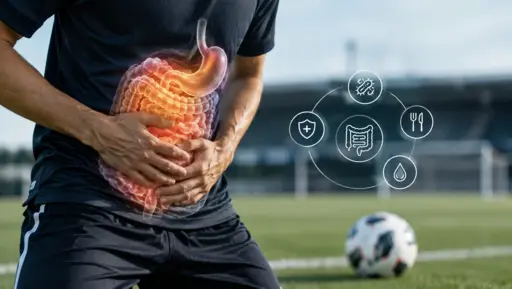
The increasing collaboration between nutritionists, sports physicians, and physiotherapists has driven demand for professionals specializing in injury recovery, gut health, inflammation management, and rehabilitation optimization. This specialization is particularly valuable within professional clubs and high-performance centers.

How to Prepare for These Opportunities: Key Skills That Make the Difference
Accessing the most in-demand positions in sports nutrition requires much more than technical knowledge of nutrition and physical performance. Today’s market seeks professionals capable of working in multidisciplinary environments, interpreting complex data, and providing strategic value to sports clubs, high-performance centers, technology companies, and organizations within the wellness sector.
In addition to mastering areas such as exercise physiology, body composition, evidence-based sports supplementation, and nutritional planning, employers increasingly value a combination of technical, digital, and business skills that enable professionals to thrive in a constantly evolving environment.
Digital Skills and Sports Data Analysis
The digital transformation of sport has increased demand for nutritionists who can work with specialized software, performance monitoring platforms, and data analytics tools. Many professional clubs currently use data from GPS systems, wearables, sleep analysis, training load monitoring, and body composition assessments to personalize nutritional strategies for each athlete.
Understanding and interpreting these data enables more accurate decision-making and the development of nutrition programs aligned with performance, recovery, and injury-prevention objectives.
Effective Communication and Scientific Dissemination
One of the greatest challenges for sports nutrition professionals is translating complex scientific concepts into practical information for different audiences. A nutritionist may work with professional athletes, coaches, executives, physicians, physiotherapists, or marketing departments, making communication skills essential.
Organizations seek specialists who can transform scientific evidence into practical, understandable, and actionable recommendations applicable to the realities of professional sport.
Strategic Vision and Industry Knowledge
The sports industry generates billions of euros annually and requires professionals who understand its structure beyond the nutritional field. Knowledge of sports clubs, federations, academies, supplement brands, and sports technology companies helps identify career opportunities and participate in projects with greater impact.
For this reason, professionals who combine expertise in sports nutrition with management, leadership, and business strategy skills are increasingly valued.
International Adaptability and Multicultural Collaboration
The globalization of sport has created multicultural working environments involving professionals from different countries and backgrounds. Proficiency in foreign languages, particularly English, has become an essential skill for those seeking an international career in professional clubs, sports organizations, or multinational companies within the sector.
Additionally, understanding cultural differences related to nutrition and lifestyle habits enables the development of more effective and personalized interventions.
Networking and Building a Strong Professional Network
Many career opportunities in professional sport arise through industry contacts and collaborations. Participating in conferences, specialized events, internship programs, and projects with clubs or federations can significantly impact a sports nutritionist’s professional development.
Building a strong professional network facilitates access to new career opportunities, applied research projects, and collaborations with other sports science specialists.
Continuous Education as a Competitive Advantage
Sports nutrition is a constantly evolving field. Every year, new research emerges on sports supplementation, precision nutrition, gut health, muscle recovery, and performance optimization. Continuous education is therefore essential to remain current and provide interventions based on the best available scientific evidence.
Professional differentiation depends on selecting educational programs that develop these transferable skills. Our approach at FSI Training combines cutting-edge technical knowledge with business skills, practical experience, and direct access to the sports industry, preparing students to meet the challenges of an increasingly specialized and competitive job market.
Professional differentiation depends on selecting educational programs that develop these transferable skills. Our approach at FSI Training combines cutting-edge technical knowledge with business expertise and direct access to the industry.
The Importance of Specialized Education
Accessing these professional opportunities requires specialized knowledge that goes beyond traditional nutrition. It is not simply about following general guidelines, but about developing advanced competencies in technology, business communication, applied research, and adaptation to international markets.
At FSI Training, our Master’s Degree in Nutrition for Professional Football enables students to develop the specialized skills demanded by these emerging niches, combining cutting-edge science with real-world practical experience. Students learn from faculty actively working within the industry, engage with real case-study methodologies, and gain direct access to the sector’s largest professional network: more than 40 professional clubs and sports technology companies worldwide.
This Master’s Degree in Sports Nutrition combines advanced theory with guaranteed internships at more than 40 professional teams. Whether studying on campus or through our Online Master’s in Sports Nutrition, students learn how to design nutrition plans for football players that maximize physical and technical performance.

Want to Stay Up to Date with the Latest News?
Stay informed about everything happening within the FSI Training ecosystem by subscribing to our newsletter and following us on social media.