Working at a football club as a head coach, assistant coach, or goalkeeping coach are just a few examples. There are many other strategic roles that help drive players’ performance on the pitch.
What are the essential roles for working in football clubs?
Among the most in-demand profiles in clubs around the world:
- Strength and conditioning coach: Plans and supervises the team’s physical training sessions. Their goal is to optimize performance, prevent injuries among players, and ensure they are in peak condition throughout the season.
- Tactical analyst: Their job is to study both their own team and opponents using data and technological tools. They provide key information to the coaching staff to support strategic decision-making during training sessions and matches.
- Sports nutritionist: Designs personalized nutrition plans for each player and adapts them to their physical needs and the demands of competition. Their role is essential for improving performance and speeding up recovery after matches.
- Football physiotherapist: Works both on injury prevention and rehabilitation. They help each team member stay in optimal physical condition throughout the entire season.
- Injury rehabilitation coach: Acts as the bridge between medical recovery and the return to competition. They design specific programs for players who have suffered injuries so they can return in the best possible condition.
- Sports doctor: Oversees the overall health of each player on the team, monitors their physical condition, and treats acute injuries during the season. They also provide guidance on preventing long-term health issues.
Most professionals working in these roles have a university degree and specialized training in the field of football.
In addition to these highly demanded roles in football clubs, the coaching staff also includes specialists in scouting or talent identification, sports psychologists, sports podiatry and biomechanics professionals, and equipment managers…
How can you get a job at a football club?
- Specialize: Competition is high, and clubs are looking for professionals with solid knowledge. When choosing your training, pay close attention to the curriculum and whether the program is endorsed by elite clubs. At FSI Training, all our programs certify you to work in the industry, and we have partnerships with more than 40 professional clubs worldwide.
- Build your network: Attend events, congresses, and conferences related to football, such as FSI Events. Meeting the right people can open doors.
- Create a football-focused CV: Highlight your education, experience, and skills related to the sports industry.
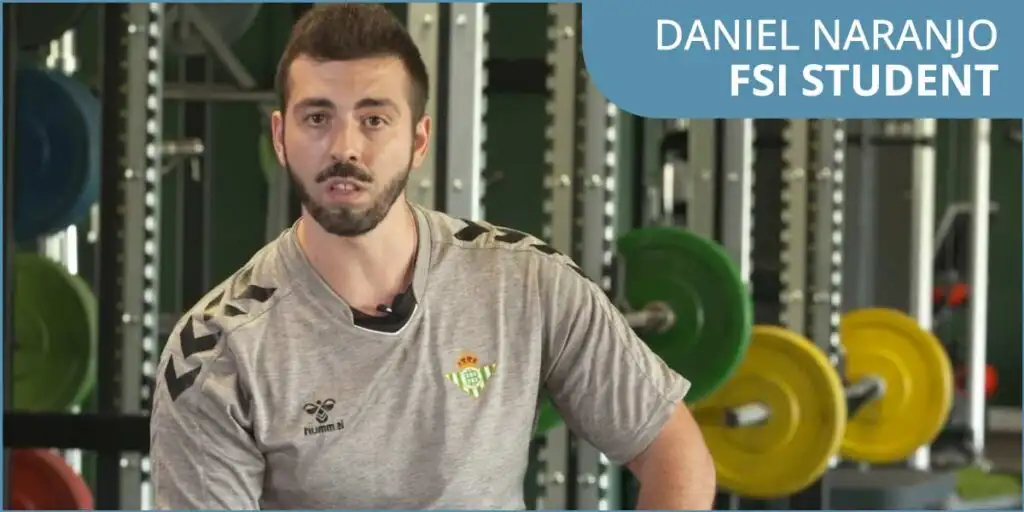
- Access internships and job opportunities at professional clubs: This is one of the major advantages of completing a professional football master’s program at FSI Training. While studying your master’s, you can complete internships at a professional football club. In addition, only our students have the opportunity to access job offers from the professional football clubs we partner with. Discover the real story of two FSI students who went on to work in elite football.
If you want to work at a football club, you need training that not only prepares you but also connects you with the opportunities you are looking for. At FSI Training you will find in-depth education with guaranteed internships at elite clubs. Find your master’s program.