Before discussing which foods are best for recovering after training or competing, it is important to understand that sports recovery does not begin when exercise ends. In reality, it is part of a nutritional strategy that starts before physical activity and continues during the hours following the effort.
Proper nutrition before training ensures that the body has enough energy to perform at its best, while appropriate food intake after exercise promotes glycogen replenishment, muscle tissue repair, rehydration, and fatigue reduction. All of these factors directly influence athletic performance, training adaptation, and injury prevention, especially for athletes who train or compete frequently.
Choosing the right foods at the right time can make the difference between achieving optimal recovery and accumulating fatigue that may affect the next training session or competition.
If you are still unsure what to eat before exercising, we recommend reading our article on What to eat for breakfast before a football match, where you will find balanced options to help you arrive full of energy and perform at your best from the very first minute.
Why is nutrition important after training or competing?
Post-workout or post-competition nutrition plays a fundamental role in recovery and improving athletic performance. During exercise, especially when it is intense or prolonged, the body uses its energy stores, loses fluids and electrolytes through sweat, and places the muscles under significant physiological stress. All of this causes a series of changes that must be reversed so the body can recover properly and be ready for the next training session in the best possible condition.
An appropriate nutritional strategy after exercise not only helps reduce fatigue and speed up recovery, but also promotes the adaptations the body develops in response to training. In fact, nutrition is one of the key factors that distinguishes optimal recovery from incomplete recovery, especially in athletes who train several days a week or complete more than one session per day.
What happens in the body after training?
At the end of a training session or competition, the body enters a recovery phase aimed at restoring physiological balance. During this process, the body must repair damaged tissues, replenish depleted energy stores, and restore lost water and minerals.
The intensity, duration, and type of exercise determine the magnitude of these changes. A strength training session in the gym is not the same as a 90-minute football match or a long-distance race. However, in every case, the body requires nutritional resources to return to its optimal state and prepare for future physical demands.
Muscle damage
Exercise, especially strength training, changes of direction, sprints, or eccentric movements typical of sports such as football, causes small microtears in muscle fibers. This muscle damage is part of the normal training adaptation process and is the stimulus that allows the development of greater strength, power, and muscle mass.
To repair these microtears, the body requires an adequate intake of high-quality protein that provides essential amino acids, especially leucine, one of the main activators of muscle protein synthesis. Consuming protein after exercise promotes muscle tissue repair, reduces recovery time, and helps preserve muscle mass, which is particularly important during periods of intense training or consecutive competitions.
Glycogen depletion
Glycogen is the body's primary source of energy during moderate- and high-intensity exercise. It is stored mainly in the muscles and liver and is gradually depleted as the duration or intensity of physical effort increases.
When glycogen stores become significantly depleted, fatigue develops and the ability to maintain performance decreases. If these stores are not adequately replenished after exercise, athletes may begin their next session with less energy, reducing training quality and increasing the risk of overload.
For this reason, after training it is advisable to consume foods rich in high-quality carbohydrates such as rice, pasta, potatoes, oats, whole-grain bread, fruit, or legumes. Combining carbohydrates with protein promotes more efficient restoration of energy stores and optimizes muscle repair.
Fluid and electrolyte loss
During exercise, the body loses water and electrolytes, mainly sodium, potassium, and magnesium, through sweat. The amount lost depends on factors such as environmental temperature, humidity, training intensity, and each athlete's individual characteristics.
Even moderate dehydration can negatively affect both physical and cognitive performance, making recovery more difficult and increasing the feeling of fatigue. Therefore, proper rehydration is just as important as post-exercise nutrition.
Ideally, fluid replacement should begin immediately after finishing the activity, prioritizing water after regular training sessions and using electrolyte drinks when exercise has been very prolonged, highly intense, or performed in very hot conditions. In addition, foods such as fruit, vegetables, milk, and yogurt also help restore some of the lost water and minerals.
Training adaptation
Training is only one part of the process of improving athletic performance. The real physiological adaptations occur during recovery, when the body repairs tissues, rebuilds energy stores, and prepares itself to face future efforts with greater physical capacity.
Insufficient or unbalanced nutrition can limit these adaptations, delay recovery, and increase the risk of injuries, accumulated fatigue, or decreased performance. In contrast, a well-planned nutritional strategy promotes the development of strength, endurance, power, and body composition, allowing training to produce the expected benefits.
For this reason, post-workout nutrition should be considered another essential part of sports planning rather than a secondary aspect. Just as training load is planned, nutritional recovery should also be planned to achieve maximum performance in the medium and long term.
Scientific evidence supports this strategy. The International Society of Sports Nutrition (ISSN) Position Stand on Nutrient Timing concludes that consuming a combination of protein and carbohydrates after exercise promotes muscle protein synthesis, accelerates glycogen replenishment, and optimizes recovery, especially when the time between training sessions is limited.
What nutrients does the body need to recover?
After a training session or competition, the body needs a combination of nutrients that allow it to repair muscle damage, restore energy stores, and reestablish fluid balance. There is no single food capable of meeting all these needs; instead, the key is to combine different food groups to achieve complete recovery.
Nutritional recommendations may vary depending on the type of sport, exercise intensity, session duration, and the athlete's goals. However, scientific evidence agrees that there are four fundamental pillars for optimizing recovery: protein, carbohydrates, healthy fats, and proper hydration.
Protein to repair muscle tissue
Protein is essential for post-exercise recovery because it provides the amino acids needed to repair the microtears that occur in muscle fibers during training. This process promotes the synthesis of new muscle proteins, helping to develop strength, muscle mass, and recovery capacity.
High-biological-value proteins, such as those found in eggs, lean meats, fish, dairy products, and soy, contain all the essential amino acids the body needs. Among them, leucine stands out as an amino acid that plays a key role in activating muscle protein synthesis.
For most athletes, experts recommend consuming between 20 and 40 grams of high-quality protein after exercise, depending on body weight, training intensity, and individual goals. Meeting the recommended daily protein intake is far more important than relying solely on the exact timing of protein consumption.
Some protein-rich foods that are ideal for recovery include:
- Chicken or turkey breast.
- Fish such as salmon, tuna, or hake.
- Eggs.
- Plain Greek yogurt or fresh cheese.
- Milk.
- Tofu, tempeh, or soy for plant-based diets.
- Legumes combined with whole grains.
Carbohydrates to replenish glycogen
Carbohydrates are the body's main source of energy during moderate- and high-intensity exercise. After physical activity ends, the body begins rebuilding the muscle and liver glycogen stores that were depleted during exercise.
Adequate glycogen replenishment is particularly important when there is little time between training sessions or competitions, as insufficient glycogen stores can reduce performance and increase fatigue.
The amount of carbohydrates required depends on the duration and intensity of the exercise performed. After very demanding training sessions or competitions, it is advisable to prioritize easily digestible carbohydrate-rich foods during the first few hours after exercise, later combining them with complex carbohydrate sources as part of a balanced diet.
Some excellent carbohydrate sources to promote recovery include:
- Rice.
- Pasta.
- Potatoes and sweet potatoes.
- Oats.
- Whole-grain bread.
- Fruits such as bananas, grapes, or kiwis.
- Legumes.
Combining carbohydrates with protein in the same meal promotes both glycogen replenishment and muscle repair, making it one of the most effective nutritional strategies after exercise.
Healthy fats and their role in recovery
Although protein and carbohydrates usually receive the most attention in sports nutrition, healthy fats also play important roles during recovery. They are involved in hormone production, promote the absorption of fat-soluble vitamins (A, D, E, and K), and contribute to the proper functioning of the immune system.
In addition, some foods rich in unsaturated fats contain compounds with anti-inflammatory properties that may help control the physiological inflammation generated by intense exercise, provided they are consumed as part of a balanced diet.
The main sources of healthy fats include:
- Extra virgin olive oil.
- Avocado.
- Nuts such as walnuts, almonds, or pistachios.
- Chia, flax, or pumpkin seeds.
- Oily fish rich in omega-3 fatty acids, such as salmon, mackerel, or sardines.
However, when the goal is rapid recovery after very intense training sessions or when there is a second session just a few hours later, it is advisable that meals consumed immediately after exercise are not excessively high in fat, as fat can slow gastric emptying and delay the absorption of other priority nutrients.
Hydration and electrolytes
Recovery is not complete unless the fluids and minerals lost during exercise are replaced. Water is involved in virtually every physiological process related to recovery, including nutrient transport, body temperature regulation, and the removal of metabolic waste products.
In addition to water, the body loses electrolytes such as sodium, potassium, magnesium, and calcium, especially during prolonged training sessions, high-intensity workouts, or exercise performed in hot environments.
For most recreational training sessions, water is sufficient to restore hydration. However, when sweat losses are high or exercise lasts for approximately one hour or more at high intensity, it may be advisable to use drinks that provide electrolytes and a small amount of carbohydrates to facilitate replenishment.
There are also many foods that contribute to hydration, such as fruits (watermelon, oranges, or melon), vegetables, milk, and yogurt, which also provide vitamins and minerals that support recovery.
These recommendations are consistent with those published by the International Society of Sports Nutrition (ISSN), which highlights the importance of adapting protein, carbohydrate, and fluid intake to the characteristics of the training session and the individual needs of each athlete to promote more efficient recovery and maintain optimal long-term performance.
The best foods to recover after training or competing
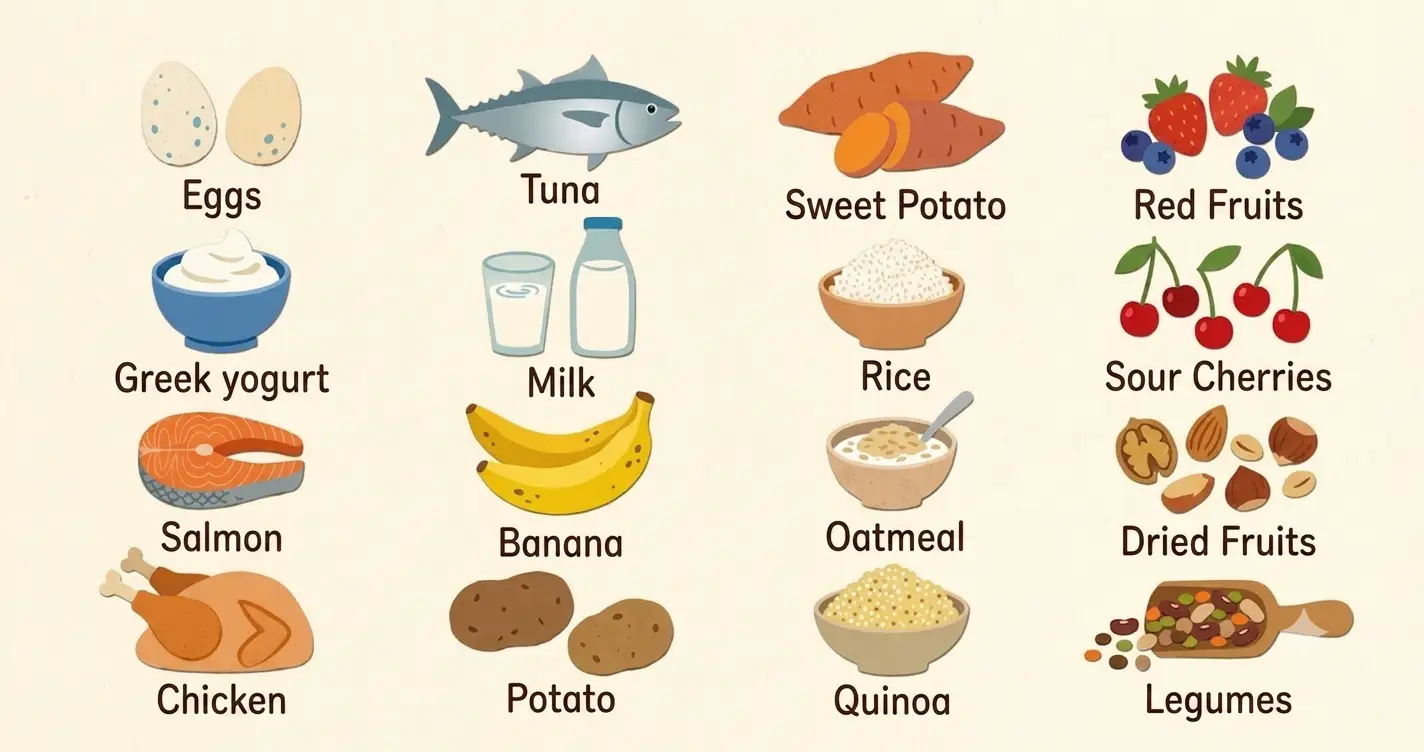
Choosing the right foods after training can make a significant difference in recovery speed and performance in subsequent sessions. After exercise, the body needs to restore its energy reserves, repair muscle tissue, and reestablish fluid and electrolyte balance. To achieve this, the best strategy is to combine foods rich in high-quality protein, complex carbohydrates, healthy fats, vitamins, and minerals.
Below are some of the foods most recommended by sports nutritionists due to their nutritional composition and the available scientific evidence supporting their role in muscle and energy recovery.
| Food | Main nutrient | Benefit | Best time to consume |
|---|---|---|---|
| Eggs | High-biological-value protein | Promote muscle repair and growth. | After strength training. |
| Plain Greek yogurt | Protein | Supports muscle recovery and provides calcium. | Post-workout or as a snack. |
| Salmon | Protein and omega-3 | Promotes muscle recovery and helps control inflammation. | Lunch or dinner. |
| Chicken | Protein | Contributes to muscle tissue repair. | After training. |
| Tuna | Protein | Helps maintain and restore muscle mass. | Post-workout. |
| Milk | Protein and carbohydrates | Supports complete nutritional recovery. | Immediately after exercise. |
| Banana | Carbohydrates and potassium | Replenishes energy and helps restore lost minerals. | After endurance training. |
| Potatoes | Carbohydrates | Promote muscle glycogen replenishment. | After exercise. |
| Sweet potatoes | Carbohydrates and fiber | Provide sustained energy and micronutrients. | Main meal. |
| Rice | Carbohydrates | Helps restore energy reserves. | Post-workout. |
| Oats | Carbohydrates and fiber | Promote gradual energy recovery. | Breakfast or as a snack. |
| Quinoa | Protein and carbohydrates | An excellent option for complete recovery. | Main meal. |
| Berries | Antioxidants | Help combat oxidative stress caused by exercise. | As a side or dessert. |
| Tart cherries | Antioxidants | May promote muscle recovery and reduce soreness after intense exercise. | After training or competition. |
| Nuts | Healthy fats | Provide energy, minerals, and beneficial fats. | As a snack or complement. |
| Legumes | Plant-based protein and carbohydrates | Support complete nutritional recovery and provide fiber. | Main meal. |
What is the best food combination for recovery?
Although all the foods above provide specific benefits, none of them alone guarantees optimal recovery. The key is to combine different food groups to meet all the body's needs after exercise.
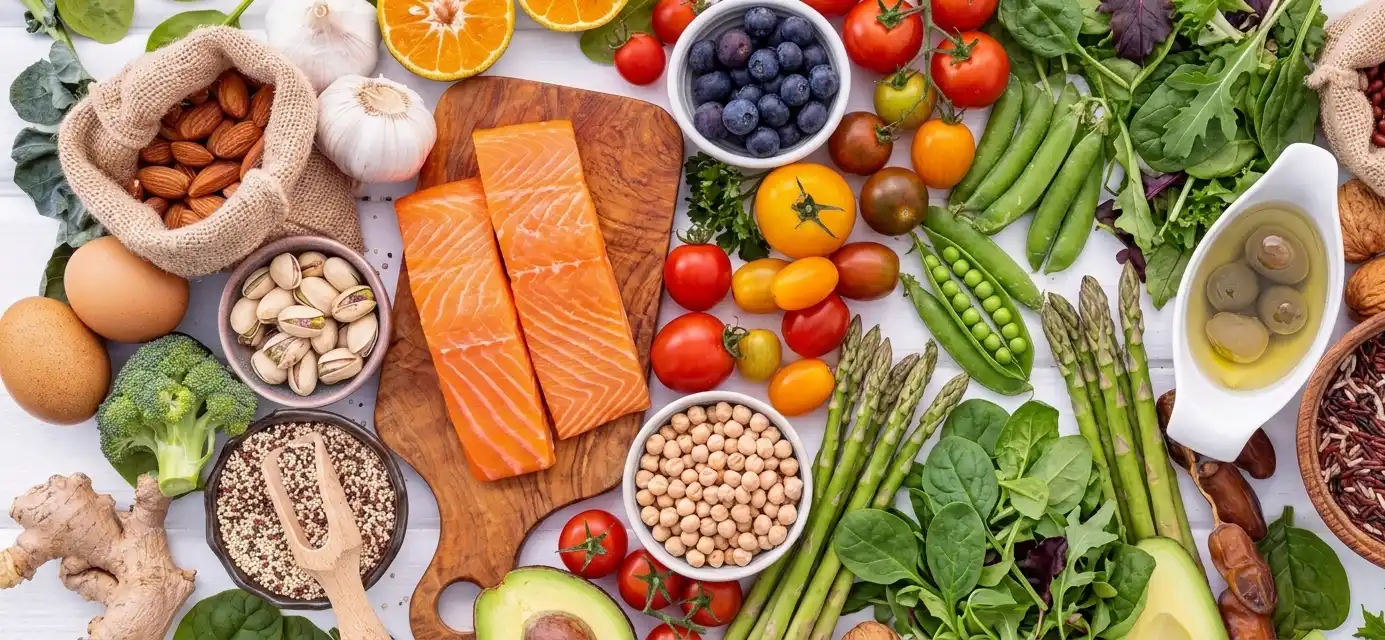
A complete post-workout meal should include a source of high-quality protein (such as eggs, chicken, fish, or Greek yogurt), a source of carbohydrates (rice, potatoes, oats, sweet potatoes, or fruit), a small amount of healthy fats (olive oil, nuts, or avocado), and proper rehydration with water or electrolyte drinks when the exercise has been particularly intense or prolonged.
In addition, including fruits and vegetables rich in vitamins, minerals, and antioxidants helps combat the oxidative stress generated by exercise and supports the proper functioning of the immune system, an especially important factor during periods of high training loads.
Ultimately, sports recovery does not depend on a single "superfood" but on maintaining a balanced diet tailored to each athlete's needs. A well-planned nutritional strategy will allow faster recovery, higher-quality training, and a reduced risk of fatigue and injuries throughout the season.
Examples of meals to recover after training
There is no single post-workout meal that is suitable for every athlete. The best choice depends on the type of training performed, its duration, intensity, and the time available before the next session. However, every recovery meal should provide a balanced combination of high-quality protein, carbohydrates to replenish muscle glycogen, a small amount of healthy fats, and proper hydration.
The goal is to provide the body with the nutrients it needs to repair muscle tissue, restore energy reserves, and promote faster and more efficient recovery. Below are some examples of complete meals that can be adapted to different sports.
| Type of training | Example meal |
|---|---|
| Strength training | Three-egg omelet, white rice, and a piece of fruit (banana or kiwi). |
| Running | Plain Greek yogurt with rolled oats, banana, and a handful of walnuts. |
| Football match | Grilled chicken breast with boiled or baked potatoes, vegetables, and a piece of fruit. |
| Cycling | Baked salmon with roasted sweet potato and seasonal vegetables. |
| Endurance competition | Chicken and rice, plain Greek yogurt, and fresh fruit to complete energy replenishment. |
How should these meals be adapted according to the type of training?
Although these examples serve as a guide, the quantities should be adjusted to each athlete's individual characteristics. A person weighing 60 kg who completes a moderate training session will not have the same nutritional needs as a football player who has just finished a high-intensity match or a cyclist after several hours of training.
During strength training, protein plays an especially important role in promoting muscle repair and growth, without overlooking the carbohydrates needed to restore the energy used during the session.
In endurance sports, such as running, cycling, or football, glycogen stores are often significantly depleted. In these cases, it is advisable to prioritize carbohydrate-rich foods together with a source of protein to support both energy replenishment and muscle recovery.
If the next training session or competition will take place within the next 24 hours, it is particularly advisable to eat a recovery meal during the first few hours after exercise to optimize glycogen replenishment and accelerate the body's recovery.
Ultimately, beyond following a specific recipe, what really matters is that the post-workout meal is balanced, sufficient, and tailored to the demands of the exercise performed. Maintaining this habit consistently will help improve performance, reduce accumulated fatigue, and promote better long-term adaptation to training.
When should you eat after training?
For years, the idea of a "anabolic window" lasting only 30 minutes after exercise became popular, suggesting that it was essential to eat immediately to maximize muscle recovery. However, the latest scientific evidence shows that reality is much more flexible and that the ideal time to eat depends on each athlete's individual circumstances.
The most important factor is ensuring an adequate intake of protein, carbohydrates, and fluids throughout the day, although the timing of the post-workout meal can also influence recovery in certain situations. For example, when completing two training sessions in the same day, competing again within a few hours, or aiming for rapid recovery, it is advisable to begin replenishing nutrients during the first hour after finishing exercise.
On the other hand, if the training session was moderate and the athlete already ate a complete meal a few hours beforehand, there is no need to eat immediately after finishing. In these cases, having a balanced meal within the following two hours is usually sufficient to support recovery and meet the body's nutritional needs.
Ultimately, rather than focusing on a strict time window, what really matters is adapting the nutritional strategy to the type of training performed, the time available before the next session, athletic goals, and the athlete's overall daily eating pattern. An individualized plan will always produce better results than following general recommendations without considering the context.
If you would like to learn more about this topic and discover what the current scientific evidence says, we recommend reading our article Does the post-workout recovery window really exist?, where we take an in-depth look at the concept of the recovery window and when it is actually beneficial to eat after exercise.
Frequently asked questions about what to eat after training for better recovery
What is the best food to recover after training?
There is no single food that is the best for recovery after training. Optimal recovery depends on combining high-quality protein, carbohydrates, healthy fats, and proper hydration. Foods such as chicken, eggs, Greek yogurt, salmon, rice, potatoes, and bananas are excellent choices because they provide the nutrients needed to repair muscle tissue and replenish the glycogen stores used during exercise.
Rather than searching for a "superfood," the best approach is to eat a complete, balanced meal adapted to the type of training performed and the time available before the next sports session.
Which fruit is best for muscle recovery?
Bananas are among the most recommended fruits after exercise because of their carbohydrate and potassium content, two nutrients that promote energy replenishment and help restore some of the minerals lost through sweat. Berries are also an excellent option due to their high antioxidant content, while tart cherries have been associated with improved muscle recovery after high-intensity exercise.
Other fruits such as kiwi, oranges, pineapple, and watermelon also provide vitamins, water, and antioxidant compounds that contribute to the recovery process.
Is it better to eat protein or carbohydrates after exercise?
The best option is not to choose between protein and carbohydrates, but to consume both together. Protein provides the amino acids needed to repair muscle fibers damaged during training, while carbohydrates replenish glycogen stores and prepare the body for future physical demands.
For this reason, a meal that combines foods such as chicken with rice, Greek yogurt with oats, or eggs with potatoes is much more effective than consuming only one of these macronutrients.
What should you eat after a football match?
After a football match, it is advisable to eat a meal that combines high-quality protein, carbohydrates, and fluids to promote both muscle and energy recovery. One example would be grilled chicken breast with rice or potatoes, vegetables, and a piece of fruit, accompanied by water or an electrolyte drink if sweat losses have been high.
Nutrition for football players is not only important after the match, but also before the effort. If you want to plan your nutrition correctly, we recommend reading our article on what to eat for breakfast before a football match, where you will find the best options for arriving at kick-off full of energy.
Which foods help restore muscle glycogen?
The most effective foods for replenishing muscle glycogen are those rich in carbohydrates, such as rice, pasta, potatoes, sweet potatoes, oats, whole-grain bread, fruit, and legumes. After intense training sessions or competitions, combining these foods with a source of protein promotes more complete recovery.
When the time between sessions is limited, beginning carbohydrate replenishment within the first few hours after exercise can help accelerate the restoration of energy stores.
Which foods help reduce muscle soreness?
There are no foods capable of eliminating muscle soreness immediately, as soreness is part of the body's normal adaptation process to training. However, maintaining a diet rich in protein, fruits, vegetables, healthy fats, and foods with antioxidant properties can support muscle recovery and reduce the inflammation associated with intense exercise.
Berries, tart cherries, omega-3-rich oily fish, extra virgin olive oil, and nuts are some of the foods that may contribute to better recovery when included as part of a balanced diet.
What should you drink after training?
Water is generally the best drink after training, especially following moderate-intensity sessions lasting less than one hour. If the training session has been very intense, prolonged, or performed in high temperatures, it may be advisable to consume drinks that provide sodium and other electrolytes to facilitate rehydration.
In addition, beverages such as milk can also be a good post-workout option because they provide water, protein, carbohydrates, and minerals that support recovery.
What happens if you don't eat after exercising?
Occasionally not eating after training is not necessarily a problem if your overall daily diet meets your nutritional requirements. However, when this happens frequently, recovery may be compromised, especially after intense training sessions or when multiple workouts are completed in the same day.
Insufficient post-exercise nutrition can delay muscle repair, impair glycogen replenishment, increase feelings of fatigue, and limit training adaptations. Therefore, the best approach is to plan a balanced meal that supports proper recovery and helps maintain optimal long-term performance.