
For years it has been argued that there is a brief recovery period after training, known as the recovery window or anabolic window. During this period, consuming proteins and carbohydrates was considered practically essential to maximise training adaptations. The most recent scientific evidence has shown that this idea is far more complex than previously thought.
In this article we will review what really happens in the body after exercise, analyse when nutrient timing may matter, and identify the situations in which the "window" plays a relevant role in practice with your players.
What is the recovery window?
The recovery window is simply the period after exercise during which the body begins different processes to repair tissues, restore energy reserves and support training adaptations. Muscle protein synthesis increases, along with glucose uptake by the muscle and glycogen replenishment.
For many years it was assumed that these processes had to be taken advantage of within a short interval to maximise benefits. However, one of the most influential reviews in sports nutrition concluded that the importance of such a narrow recovery window depends on factors such as prior nutrition, type of training and time until the next session (Aragon & Schoenfeld, 2013). 
Is the recovery window the same as the anabolic window?
Although they are often used interchangeably, they are not exactly the same. The recovery window encompasses all the processes that take place after exercise to restore the body. This includes glycogen replenishment, rehydration and physiological adaptations to training. The anabolic window, on the other hand, refers specifically to the period in which the muscle shows greater sensitivity to stimulate muscle protein synthesis after exercise. In practice, both concepts are closely related, although recovery goes far beyond muscle growth (Aragon & Schoenfeld, 2013).
What happens to the body after training?
Finishing a training session does not mark the end of the work. Many of the adaptations we seek through exercise occur in the hours that follow, as the body begins repairing tissues, restoring energy reserves and preparing to face future challenges. 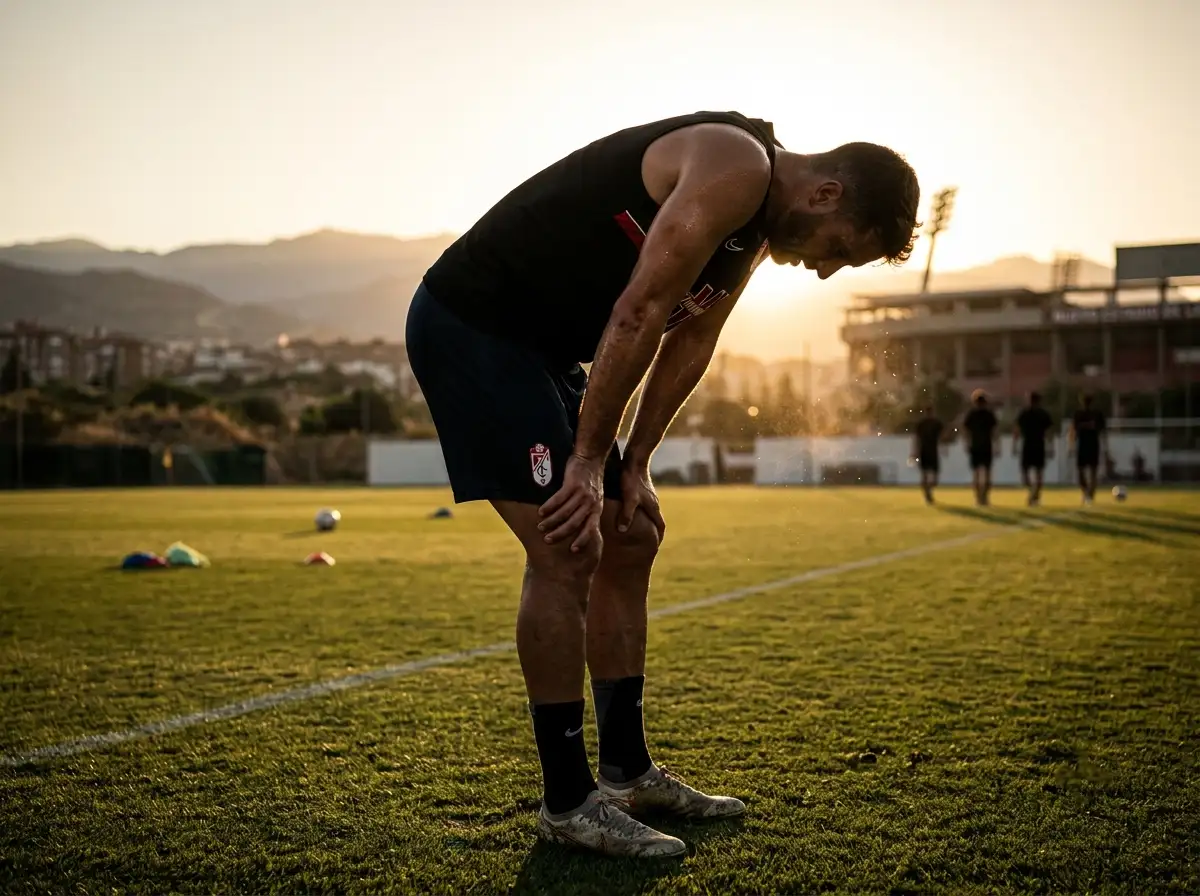
Glycogen recovery
During exercise, especially when it is intense or prolonged, the body draws on muscle glycogen as an energy source. After the session, one of the main goals is to replenish these stores through carbohydrate intake.
Muscle repair and protein synthesis
Training, especially resistance training, generates a stimulus that triggers processes of repair and remodelling of muscle tissue. To do so, the body increases muscle protein synthesis, an essential mechanism for recovering damaged fibres and promoting adaptations such as hypertrophy. The increase in protein synthesis can remain elevated for hours, and even more than a day after training. Adequate protein intake throughout the day plays a far more important role than relying on an immediate post-session intake (Aragon & Schoenfeld, 2013).
Training adaptation
Recovery does not consist solely of repairing the damage caused by exercise. During this period, adaptations also take place that allow performance to improve over time, such as increases in strength, muscle mass or endurance capacity. These adaptations depend on the training performed, but also on factors such as nutrition, rest and session planning. For this reason, referring to a single recovery "window" is an oversimplification of a more complex physiological process.
Is there really a specific recovery window?
The short answer is yes, but not in the way it has traditionally been believed. Current scientific evidence does not support the existence of a "switch" that closes 30 or 60 minutes after training. Instead, recovery should be understood as a progressive process whose importance depends on each athlete's context. For example, an athlete who needs to compete or train again within a few hours will need to begin recovery as soon as possible. In contrast, someone who does an afternoon strength session and will not train again until the following day has a much wider window to meet their protein and carbohydrate needs.
How long do I have to eat after training?
There is no single answer that applies to every situation. The ideal time to eat after exercise depends mainly on whether you trained on an empty stomach or had a protein- and carbohydrate-rich meal before the session.

Recovery window after fasted training
When training in a fasted state, the body arrives at exercise after several hours without nutrients. In this context, consuming a meal providing high-quality protein and carbohydrates after the session can help stimulate muscle protein synthesis and support recovery (Aragon & Schoenfeld, 2013). Although there is no exact time limit in minutes, delaying the first meal by several hours after fasted training does not appear to be the most advisable strategy if the goal is to optimise recovery and training adaptations.
Recovery window when you ate before training
The situation changes when you have had a full meal one or two hours before training. Amino acids and other nutrients continue to circulate in the bloodstream for several hours, meaning the body still has substrates available to initiate recovery even after the session ends. In these cases, the evidence suggests there is no need to rush to have a shake immediately after finishing. Having a protein-rich meal within the hours following training is generally sufficient to meet recovery needs, provided total daily intake is adequate.
Does the type of training affect the recovery window?
Yes. Although the general principles of recovery are similar, the importance of nutrient timing depends on the type of exercise performed and the time available until the next session. An athlete who will compete again within a few hours has very different needs from someone who will not train until the following day.
Strength training
After a strength session, the main nutritional goal is to support muscle protein synthesis. Evidence indicates that achieving adequate protein intake throughout the day is more important than consuming it at a specific moment, especially when a meal was eaten before training (Phillips & Van Loon, 2011).
Endurance training
In endurance sports such as cycling or running, recovery of muscle glycogen becomes a priority. When there are fewer than 8 hours between sessions, beginning carbohydrate replenishment as soon as possible can accelerate recovery and improve performance in the next training session (Jentjens & Jeukendrup, 2003).
HIIT
High-intensity interval training combines high energy demands with significant muscular stress. In these cases, adequate recovery requires sufficient intake of both carbohydrates and protein, particularly when training volume is high or multiple sessions are scheduled on the same day (MacInnis & Gibala, 2017).
Team sports
In sports such as football, basketball or rugby, where training sessions and matches can accumulate with little recovery time in between, nutritional timing becomes increasingly important. In these situations, beginning early replenishment of fluids, carbohydrates and protein can help the athlete arrive in better condition for the next session (Burke et al., 2011).
How to optimise recovery after training?
Rather than obsessing over having a shake within the first 30 minutes after exercise, the scientific evidence recommends adapting the nutritional strategy to each athlete's context.
- Prioritise a sufficient daily protein intake, spread across several meals.
- Ensure adequate carbohydrate availability when training or competition is repeated within a few hours.
- Do not unnecessarily delay the first meal after fasted training.
- Rehydrate adequately and replenish lost electrolytes when sweat loss is high.
- Plan recovery taking into account training volume and the time until the next session.

In short, the so-called recovery window does exist, but it should not be understood as a rigid interval of a few minutes. For most athletes, what truly matters is the quality of nutrition throughout the day and adapting meal timing to the demands of training and the competition schedule (Phillips & Van Loon, 2011; Aragon & Schoenfeld, 2013).
Frequently asked questions
What happens if I don't eat after training?
Nothing happens immediately. For most people, delaying a meal by a few hours does not compromise recovery if daily nutrition meets protein and energy needs. The priority is achieving adequate intake throughout the day, especially if you are not going to train again within a few hours (Aragon & Schoenfeld, 2013).
What is the best post-workout meal?
Ideally, a meal that combines high-quality protein and carbohydrates. For example, chicken with rice, Greek yoghurt with fruit, or eggs with wholegrain bread. The choice will depend on the type of training, the time until the next session and the athlete's goals.
Is a protein shake necessary?
No. A shake is simply a convenient way to reach the recommended protein intake. If you can meet your needs through whole foods, you will obtain similar benefits for recovery and training adaptation (Phillips & Van Loon, 2011).
What if I train twice a day?
In this case, meal timing becomes more important. Consuming protein and carbohydrates shortly after the first session helps replenish glycogen and support recovery before the next training session, especially when there are fewer than 8 hours between sessions (Jentjens & Jeukendrup, 2003).
Do I need to eat carbohydrates after exercise?
It depends on the training performed. They are especially important after endurance exercise or when you are going to train again within a few hours. For strength training with sufficient recovery time, meeting your total daily carbohydrate intake is generally more important than the exact moment you consume them.
Does training on an empty stomach change the recovery window?
Yes. After fasted training it is advisable to have a meal providing protein and carbohydrates without unnecessary delay. As there has been no prior intake, the body has fewer circulating nutrients available to initiate the recovery processes (Aragon & Schoenfeld, 2013).