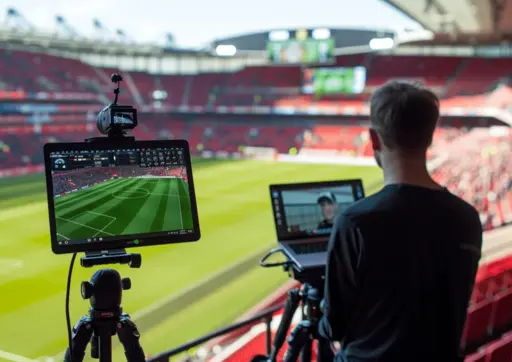
Tactical analysis is no longer exclusive to professional clubs. Social media has created a new digital ecosystem where learning, sharing, and consuming football analysis is more accessible than ever.
 Tactical analysis no longer exists solely within professional clubs or performance departments. In recent years, social media has completely transformed the way football knowledge is consumed, learned, and shared.
Today, anyone can access match analysis, advanced statistics, or tactical content through platforms such as X/Twitter, YouTube, Instagram, or LinkedIn. This has created a new digital ecosystem where tactical analysis and content creation are increasingly connected.
But this transformation does not only affect fans. It is also changing the way many professionals build their profiles within football.
How Social Media Has Changed Tactical Analysis
Just a few years ago, access to tactical analysis was much more limited. Information, tools, and practical knowledge were concentrated mainly within professional clubs.
Today, social media has dramatically reduced those barriers.
It is now possible to find:
real-time match analysis
explanatory tactical clips
statistical dashboards
free educational content
discussions about playing models and tactical structures
This has allowed many people without previous club experience to begin developing analytical thinking and building their own portfolios.
Additionally, accessible tools and data platforms have helped football analysis evolve from being an exclusively professional environment into a more open and collaborative digital space.
Social Media as a Learning Tool
Social media has become a constant source of learning for people interested in tactical analysis and football data.
Through different formats, it is possible to learn about:
playing systems
pressing and defensive structures
statistical analysis
data interpretation
collective team behavior
However, consuming content does not automatically mean understanding it.
One of the biggest challenges is developing critical thinking. Many tactical analyses on social media are useful as a starting point, but they require context and interpretation skills.
That is why more and more specialized programs, such as a Tactical Analyst Master’s Degree, focus not only on learning tactical concepts, but also on developing the professional judgment needed to interpret information and make decisions within real football environments.
Creating Tactical Content: A New Way to Build a Career
Social media has also changed the way many analysts create professional opportunities.
Today, publishing your own analysis can work as:
a professional portfolio
a demonstration of knowledge
a presentation tool for clubs or projects
Many analysts have gained visibility through:
tactical threads on X/Twitter
short videos on TikTok or Instagram
visual analysis on LinkedIn
more in-depth content on YouTube
Content creation allows analysts to demonstrate how they think even before gaining professional experience.
In an increasingly competitive industry, this has become an important differentiating factor.
The Role of Video and Data in Digital Content
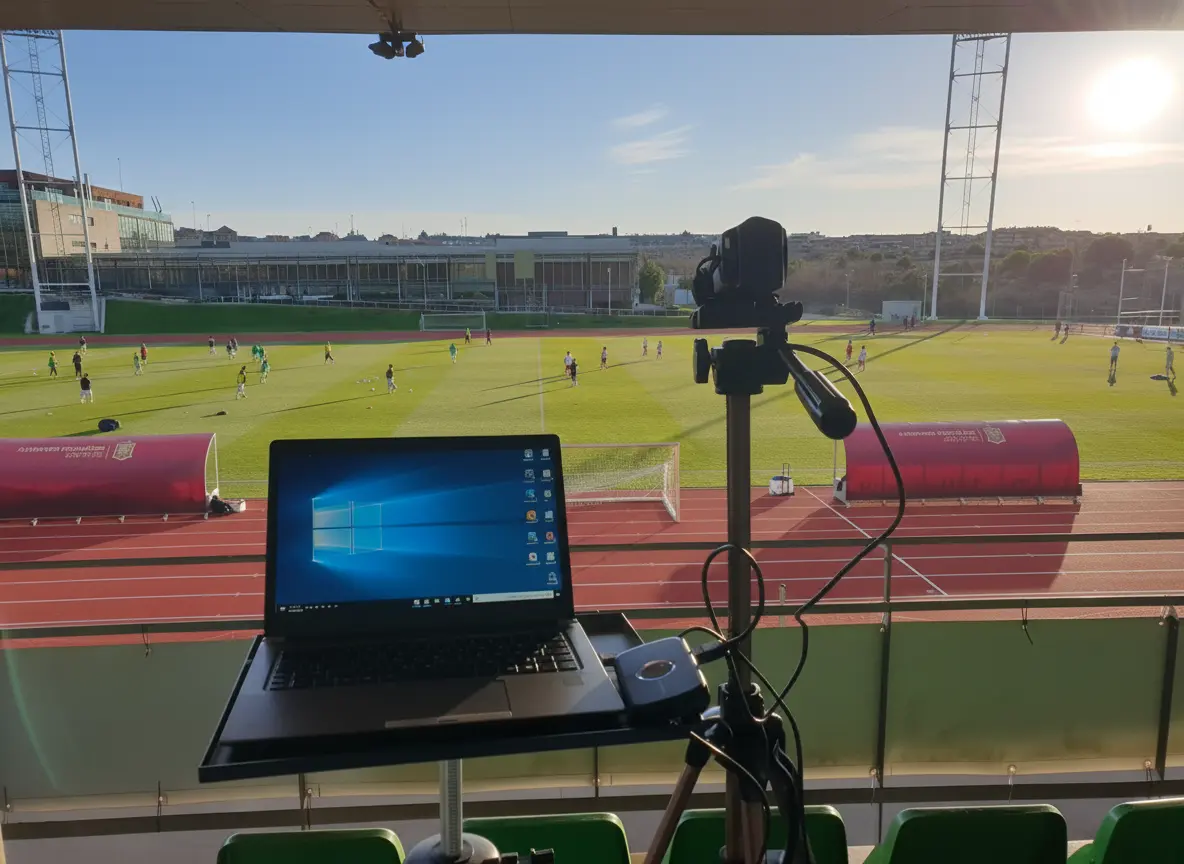
Modern tactical analysis constantly combines video and data.
Video provides context regarding collective behaviors, movements, and tactical decisions. Data helps identify patterns and quantify trends within the game.
On social media, this combination has become especially important because content needs to be:
visual
quick to interpret
easy to consume
For this reason, visualization tools, tactical clips, and statistical graphics are becoming increasingly prominent in football analysis content.
The ability to transform complex information into clear content is now one of the most valued skills within the industry.
Risks of Tactical Analysis on Social Media
Although social media has made tactical analysis more accessible, it has also created certain problems.
One of the most common issues is the oversimplification of the game. Many times, the focus is on quick conclusions or viral content without enough context.
It is also common to find:
isolated statistics without interpretation
tactical concepts repeated superficially
analysis influenced by narratives or results
That is why distinguishing between useful content and superficial content is becoming increasingly important.
Education and practical experience remain essential for developing a deep understanding of the game and avoiding analyses based solely on trends or quick impressions.
Personal Branding and Professional Opportunities
Social media has become a very powerful tool for building a personal brand within football.
Today, many clubs and professionals pay attention to:
how a person analyzes
how they communicate ideas
how they present information
their ability to generate value
Having a digital presence is no longer just about visibility, but also about professional positioning.
For profiles related to tactical analysis, data, or scouting, a public portfolio can make the difference when it comes to accessing internships, collaborations, or first opportunities within the industry.
The Future of Digital Tactical Analysis
The digital football ecosystem will continue evolving in the coming years.
Artificial intelligence, data automation, and remote analysis are transforming the way many analysts work.
It will become increasingly important to combine:
tactical knowledge
analytical skills
digital communication
mastery of technological tools
This will create new opportunities for professionals capable of adapting to an environment where analysis no longer takes place exclusively inside clubs, but also across digital platforms and collaborative online environments.
Conclusion
Social media has completely changed access to tactical analysis in football.
Today, it is possible to learn, practice, and share analysis publicly from anywhere in the world. This has created new opportunities for people interested in football, data, and tactics.
However, the real differentiator is no longer simply having access to information, but knowing how to interpret it, contextualize it, and communicate it effectively within a professional environment.