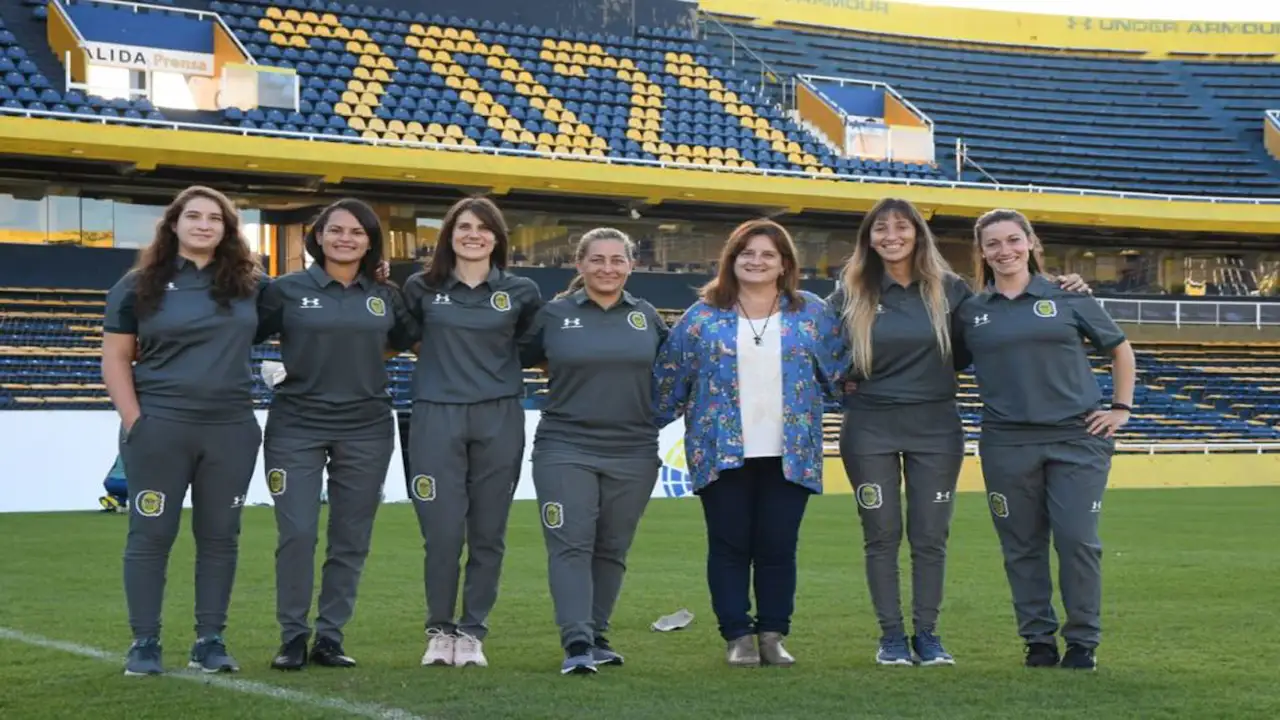
The presence of women in professional football has grown significantly in recent years. More and more female players, coaches, referees, analysts and other professionals are taking on positions of responsibility at clubs, federations and international competitions. However, gaining access to technical and management roles remains one of the major challenges to achieving genuine equality in the sport.
The growth of women's football has created new professional opportunities, but there is still a significant gap between women's participation on the pitch and their representation in dugouts, coaching staff and decision-making bodies.
Looking ahead to 2027, when Brazil will host the next FIFA Women's World Cup, the debate is no longer focused solely on increasing the number of teams and players. It is also essential to ensure that women can build professional careers across every area of football.
In this article, we explore the current position of women in professional football, the most relevant figures, the new measures introduced by international governing bodies and the challenges that will shape the future of the sport.
Women in professional football: what is the current situation?
Women's football has undergone a major transformation in terms of visibility, professionalisation and participation. The growth of competitions, investment from clubs and federations, and increasing audience figures have helped create an environment with more opportunities for women.
However, progress is not happening at the same pace in every area. While the number of registered female players continues to grow, women's representation in coaching, sporting director and management positions remains low compared with men's.
The report Unstoppable: UEFA Women's Football Strategy 2024-2030 includes several figures that help illustrate this development across Europe.
- 25,921 licensed female coaches in the 2023/24 season.
- An increase of 36% compared with the 2019/20 season.
- 188 women holding a UEFA Pro Licence, 63% more than in 2019/20.
These figures show that more women are gaining access to the training required to pursue a coaching career. However, obtaining a qualification does not, by itself, guarantee access to a job in professional football.
How many women work as football coaches in Spain?
The situation in Spain reflects both the progress that has been made and the difficulties that still exist when it comes to accessing positions of technical responsibility.
According to the Annual Equality Report published by the Royal Spanish Football Federation (RFEF), released in March 2026, there were 9,539 female coaching licences compared with 140,923 male coaching licences during the 2025/26 season.
| Indicator | Figure |
|---|---|
| Female coaching licences | 9,539 |
| Male coaching licences | 140,923 |
| Total coaching licences | 150,462 |
| Percentage of female licences | 6.34% |
It is important to note that these figures refer to the 2025/26 season. The report highlights a temporary increase partly linked to licence renewal processes and refresher courses required during that period. Therefore, the entire increase should not be interpreted as an equivalent structural rise in the number of active female coaches.
The figures highlight a significant gender gap in coaching licences. Improving access to training, facilitating entry into the labour market and providing professional development opportunities are essential steps towards reducing it.
FIFA introduces new measures to increase women's representation in coaching staff
One of the most significant developments for the future of women's football came in March 2026. The FIFA Council approved new regulations aimed at increasing women's representation in the coaching staff of competitions organised by the governing body.
The measure requires teams participating in FIFA women's competitions to include:
- At least one female head coach or assistant coach.
- At least one woman among the medical staff.
- At least two women among the team officials seated on the bench.
The regulations apply to FIFA women's club and national team competitions, at both youth and senior levels. Implementation began in 2026 competitions, and the requirements will also apply to the 2027 FIFA Women's World Cup in Brazil.
This decision represents an important step forward because it recognises that the development of women's football must not be limited to players. More women also need to be represented in the roles responsible for planning, preparing and managing teams.
FIFA has also introduced scholarship and mentoring programmes to help female coaches gain access to advanced qualifications and professional opportunities. According to the organisation, it has supported 795 female coaches from 73 member associations through its coaching scholarship programme since 2021.
Read the official announcement: FIFA approves new regulations to increase women's representation in coaching staff.
The role of women in football coaching staff
Women's presence in professional football is not limited to the role of head coach. Today's clubs need multidisciplinary teams made up of professionals from a wide range of specialisms.
Women can build careers in virtually every area of a club's sporting structure.
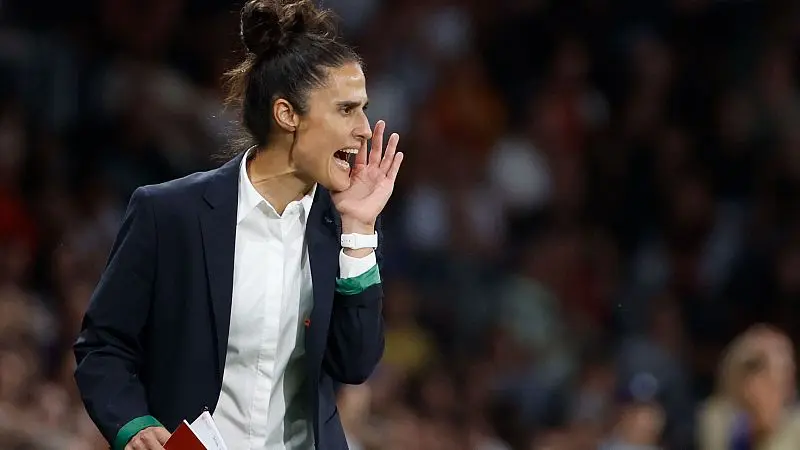
Coaches and assistant coaches
Coaches are involved in session planning, tactical preparation, squad management and decision-making during matches. They can also take on roles as assistant or second coaches, working directly alongside the team's coaching staff.
Access to these positions requires training, practical experience, leadership skills and a strong understanding of the game. It is also essential to have opportunities to work in high-level competitive environments.
Fitness coaches and performance specialists
Physical preparation is one of the key areas of professional football. Fitness coaches plan training loads, monitor players' physical condition and contribute to injury prevention.
Their work requires knowledge of physiology, strength, endurance, speed, recovery and sports planning. In women's football, it is also important to develop research and methodologies that take into account the specific characteristics and needs of female athletes.
Tactical analysts and data specialists
Performance analysis has become an essential tool for coaching staff. Analysts study their own team's performance and that of their opponents using video, data and specialised tools.
Their responsibilities include identifying playing patterns, analysing defensive and attacking structures, studying set-piece situations and preparing reports to support the coaching staff's decision-making.
Goalkeeping coaches
Goalkeeper development requires technical and tactical training tailored to the demands of the position. Goalkeeping coaches work on areas such as handling, one-on-one situations, aerial play, positioning and involvement in build-up play.
Sporting directors and club management
Women's representation is also essential in sporting director and management positions. These professionals may be involved in squad planning, coach recruitment, departmental coordination, academy strategy and the development of sporting projects.
Equality in professional football therefore means ensuring that women can access every level of responsibility, from day-to-day work on the pitch to strategic decision-making.
Leading women in professional football
Raising the profile of women who have reached positions of responsibility helps create professional role models and demonstrates that there are different pathways to building a career in football.
Marie-Louise Eta: making history in men's elite football
In April 2026, Marie-Louise Eta was appointed interim head coach of Union Berlin's men's first team. Her appointment made her the first woman to manage a men's team in one of Europe's five major leagues.
Eta had already been part of the German club's men's coaching staff and had worked with its youth teams. Her career demonstrates the importance of accumulated experience, professional training and opportunities to access positions of the highest responsibility.
Her appointment represents a milestone for professional football and challenges the historical barriers that have limited women's presence in men's dugouts.
Read more: Marie-Louise Eta: the coach making history in the Bundesliga.
Sarina Wiegman: a successful international coaching career
Sarina Wiegman is one of the most highly regarded coaches in international women's football. Her work with the Netherlands and England national teams has made her a leading figure thanks to her sporting achievements and her ability to build competitive teams.
She won the 2017 European Championship with the Netherlands and the 2022 and 2025 editions with England. Her career highlights the importance of tactical preparation, squad management, planning and continuity in sporting projects.
Sonia Bermúdez: leading the Spanish national team
In August 2025, the Royal Spanish Football Federation appointed Sonia Bermúdez as head coach of the Spanish senior women's national team. The Madrid-born coach had previously managed the under-23 national team and other youth sides, achieving significant international results.
Her appointment is an example of professional progression within the federation's structure: from working with youth teams to leading the senior national side.
The RFEF announced her appointment in this statement: Sonia Bermúdez appointed as Spain's new women's national team head coach.
The main barriers facing women in professional football
Despite the progress made, women continue to face obstacles when trying to access technical and management positions in professional football. These barriers are not caused by a single factor, but by a combination of structural, cultural and workplace-related circumstances.
Fewer opportunities to access positions of responsibility
One of the main challenges is the difficulty of gaining access to initial positions of responsibility within a club. Professional experience is often a requirement for securing more senior opportunities, but female coaches need those very opportunities to gain experience in competitive environments.
Improving access to internships, youth teams, professional coaching staff and development programmes can help break this cycle.
Lack of role models and visibility
The visibility of female coaches, fitness coaches, analysts and directors remains essential to helping girls and young women imagine a professional career in football.
Having role models helps normalise women's presence in positions traditionally held by men and demonstrates the different career paths available within the sport.
Work-life balance and working conditions
Training schedules, travel, training camps and competitive demands can make it difficult to balance professional and personal life. These circumstances affect football professionals in general, but they can become an additional barrier when appropriate support and flexible working arrangements are not available.
Clubs and federations play an important role in creating working environments where professionals can build sustainable careers.
Access to training and professional networks
Continuous professional development is essential for working in elite football. However, accessing advanced qualifications, specialist programmes and professional networks can be difficult when financial resources or suitable pathways are limited.
Scholarships, mentoring programmes and practical learning opportunities can help more women develop the skills needed to work at professional clubs.
The importance of research and specialist training in women's football
The growth of women's football also requires a stronger scientific and professional understanding of the specific demands of the game.
A study published in the journal Science and Medicine in Football, entitled A scoping review of the research supporting coaching practice in women's football, reviewed 373 scientific articles relating to coaching practice in women's football.
The research, which includes authors such as Claire Mulvenna, Nic Evans, Abbe Brady, Naomi Datson and Katrine Okholm Kryger, identifies areas with a substantial body of research, such as physical and technical-tactical performance analysis. It also highlights topics where research remains limited, including coach development, women's sociocultural experiences in coaching, and teaching and learning strategies.
This type of research shows that the growth of women's football must be supported by a strong scientific foundation. It is not enough to automatically adapt knowledge developed in men's football. Research, analysis and methodologies suited to the different contexts of women's football are needed.
Specialist training helps translate this knowledge into the day-to-day work of clubs, improve coaching processes and prepare professionals to meet the demands of modern elite performance.
What professional opportunities will women's football offer ahead of 2027?
The next FIFA Women's World Cup, which will take place in Brazil in 2027, represents an opportunity to further drive the professionalisation of women's football worldwide.
The growth of competitions, investment in sporting structures and new measures to increase women's representation in coaching staff could create opportunities across a range of professional fields.
Roles likely to become increasingly important include:
- Head coaches and assistant coaches.
- Fitness coaches and performance specialists.
- Tactical and data analysts.
- Goalkeeping coaches.
- Injury prevention and rehabilitation specialists.
- Sporting directors and club management professionals.
- Academy development and coaching education staff.
- Researchers and sports science professionals specialising in football.
The challenge is to turn the growth of women's football into stable professional opportunities. Achieving this will require a combination of training, practical experience, investment, equality policies and recruitment processes that recognise talent without gender barriers.
The role of education and training in promoting equality in football
Training is one of the key tools for improving women's access to professional football. Up-to-date knowledge, practical experience and specialist skills make it possible to build a professional career in an increasingly demanding environment.
At FSI Training, we believe that modern football needs professionals who are prepared to work in high-performance environments, regardless of their gender or specialism.
Training for coaches, analysts, fitness coaches and other technical professionals must respond to the real needs of clubs and the evolution of the game.
That is why it is important to invest in programmes that help professionals:
- Update their knowledge of coaching methodology and training.
- Understand the tactical and physical demands of modern football.
- Integrate video and data analysis tools into their daily work.
- Improve planning and decision-making.
- Develop the skills needed to work in multidisciplinary coaching teams.
Professional development also requires opportunities for learning, exchanging experiences and connecting with specialists working in elite football.
To find out more about the roles and responsibilities within a professional team, read our article on the roles within a football coaching staff.
Conclusion: creating more opportunities for women in professional football
Women's presence in professional football has made significant progress, but there is still a long way to go. The growth of women's football, the arrival of new professionals and the measures introduced by organisations such as FIFA and UEFA represent important steps towards a more equal sporting structure.
The figures show that more women are obtaining coaching licences and gaining access to training opportunities. However, female representation in the most senior positions remains limited. Improving access to employment, professional progression and working conditions is therefore essential.
Looking ahead to 2027, the goal should be to ensure that women are not only part of the growth of women's football as players, but also have genuine opportunities to manage teams, develop players, analyse the game and make decisions within sporting organisations.
The future of professional football needs talent, knowledge and diversity. Enabling more women to build careers across every area of the sport is not simply a matter of equality: it is also an opportunity to enrich football and support its continued development.
Frequently asked questions about women in professional football
What percentage of football coaches in Spain are women?
According to the RFEF Annual Equality Report published in March 2026, there were 9,539 female coaching licences compared with 140,923 male coaching licences during the 2025/26 season. Women accounted for 6.34% of all coaching licences.
What measures has FIFA approved to increase women's representation in coaching staff?
In March 2026, FIFA approved regulations requiring teams participating in its women's competitions to include a female head coach or assistant coach, at least one woman among the medical staff and two women among the team officials seated on the bench.
What roles can women hold in football coaching staff?
Women can work as head coaches, assistant coaches, fitness coaches, tactical analysts, goalkeeping coaches, performance specialists, injury prevention professionals and managers in different areas of sporting administration.
Who is Marie-Louise Eta and why is her career significant?
Marie-Louise Eta is a German coach who was appointed interim head coach of Union Berlin's men's first team in April 2026. She became the first woman to manage a men's team in one of Europe's five major leagues.
Who is Sonia Bermúdez?
Sonia Bermúdez is a Spanish coach who was appointed head coach of the Spanish senior women's national team by the RFEF in August 2025. She had previously managed Spain's under-23 national team and other youth sides.
Why is training female coaches important in women's football?
Training provides technical, tactical and methodological knowledge, access to recognised qualifications and the skills needed to work at clubs and national teams. It is also an essential tool for improving access to positions of responsibility.
What opportunities could the 2027 Women's World Cup create?
The 2027 FIFA Women's World Cup could encourage further investment, increase the visibility of women's football and create professional opportunities for coaches, analysts, fitness coaches and other specialist professionals.
Powered by Froala Editor