What is CBD, and why does it cause so much confusion?
CBD (cannabidiol) is one of more than 140 compounds (cannabinoids) extracted from the cannabis plant. Contrary to what many people think, it has no psychoactive effect: it doesn't get you "high" or alter your mind.
CBD, THC and cannabinoids: the differences you need to know
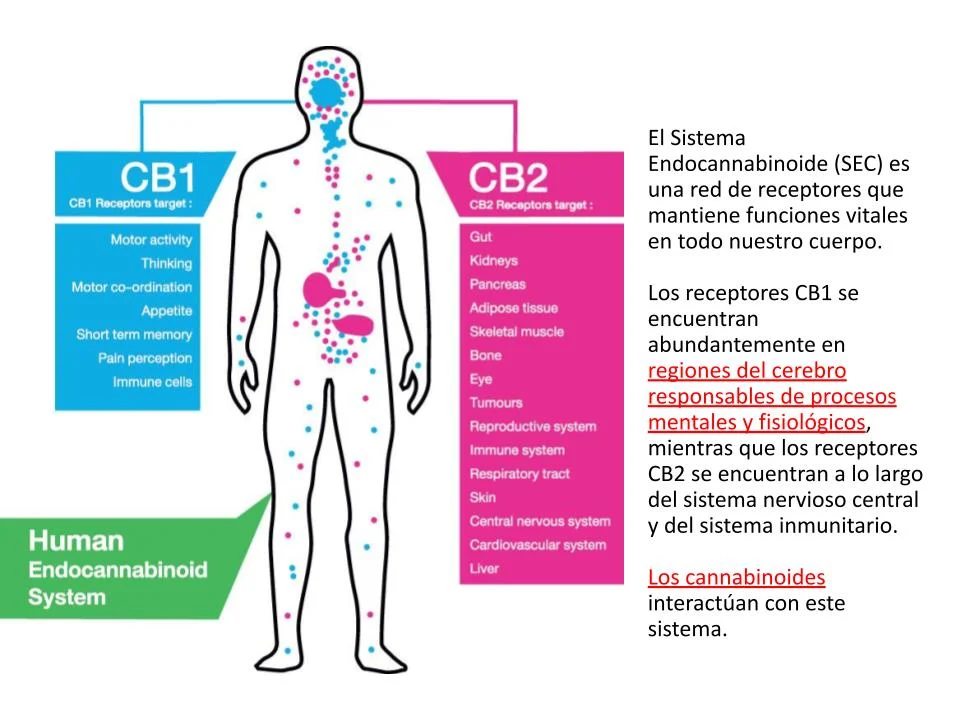
The confusion comes from mixing up CBD with THC (tetrahydrocannabinol), the cannabinoid that is psychoactive and responsible for the recreational use of cannabis. Both interact with the body's endocannabinoid system, but in different ways, and that difference is key: as we'll see later, anti-doping regulations and the law treat THC and CBD very differently.
Full spectrum, broad spectrum or isolate: types of CBD explained
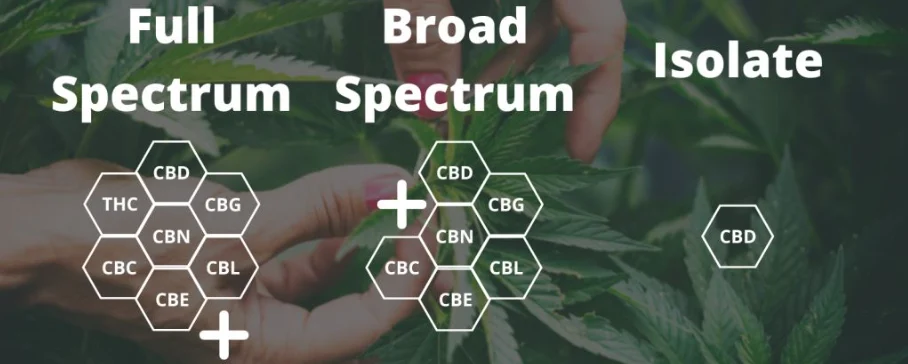
You'll mainly find three types on the market:
- Full spectrum: includes CBD and the rest of the plant's cannabinoids, including some THC.
- Broad spectrum: includes several cannabinoids, but no THC.
- Isolate: only CBD, with no other cannabinoids.
This label isn't just a technical detail: it can be the difference between a safe supplement and one that puts an anti-doping test at risk.
Why are more and more athletes trying CBD?
The interest isn't random: many athletes are looking for alternatives to conventional painkillers, especially in contact sports where chronic pain and opioid misuse are a real problem. CBD promises to help with pain, sleep and recovery, but how much of that is actually true?
CBD for muscle pain and inflammation: myth or reality?
There's a plausible scientific basis: CBD interacts with receptors involved in pain transmission. However, most studies in athletes have failed to show a real, measurable benefit on muscle pain, likely because the doses used in these studies are much lower than those used in clinical research.
CBD for better sleep: when can it actually help?
Here the picture is somewhat more promising, though with important caveats. Evidence suggests CBD may help when a sleep problem is linked to anxiety (for example, nerves before a competition), but not when the cause is poor sleep hygiene or too much caffeine. Even so, more sport-specific research is needed.
CBD and muscle recovery: what the research says
This is one of the most interesting areas right now: ongoing cell-level studies are showing promising results on how CBD might influence muscle tissue regeneration. In FSI Training's Sports Nutrition Master's, we cover this research in detail, including original studies developed at our own reference centres.
Is CBD legal? What changes by country (and why it complicates travel)
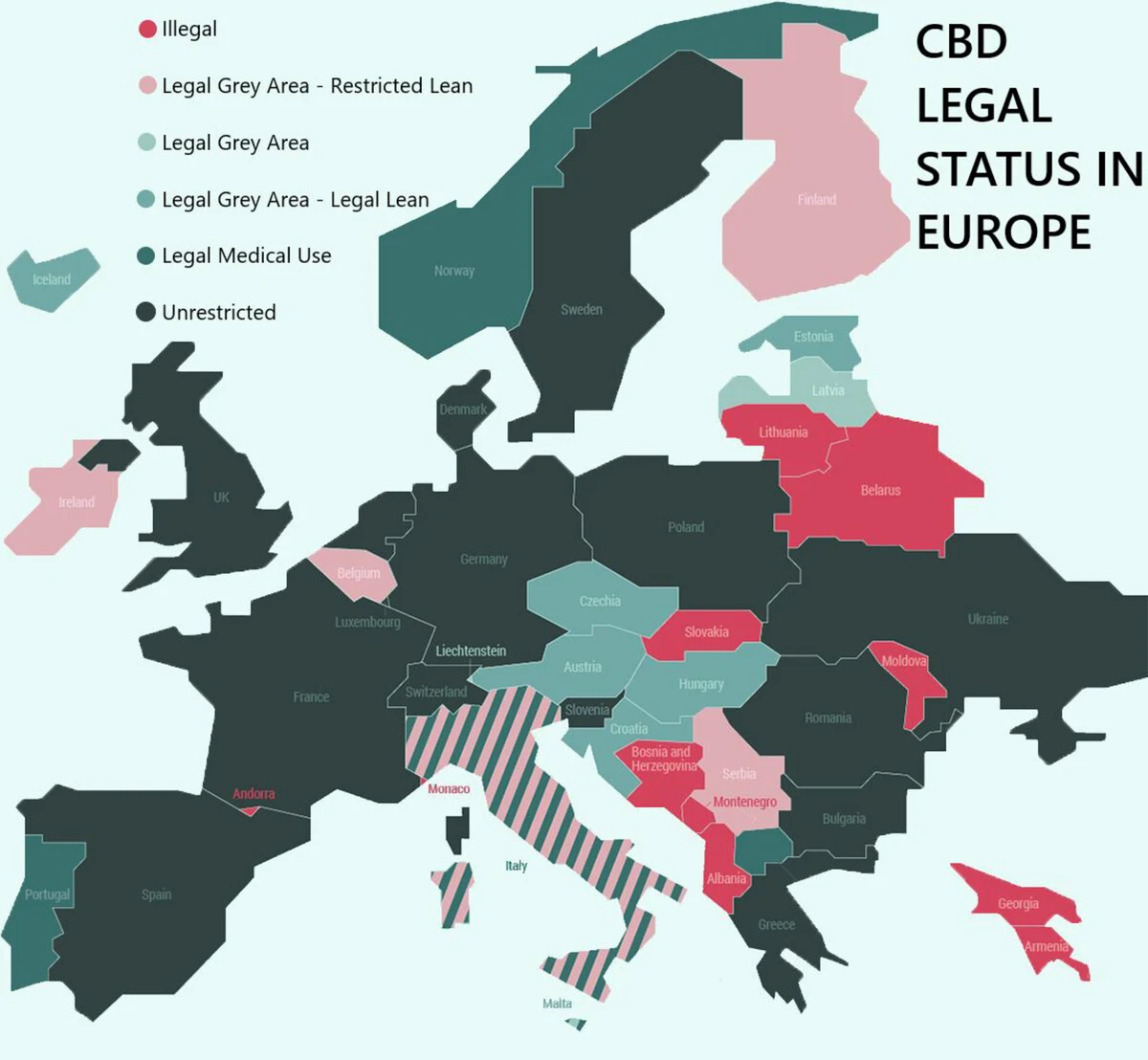
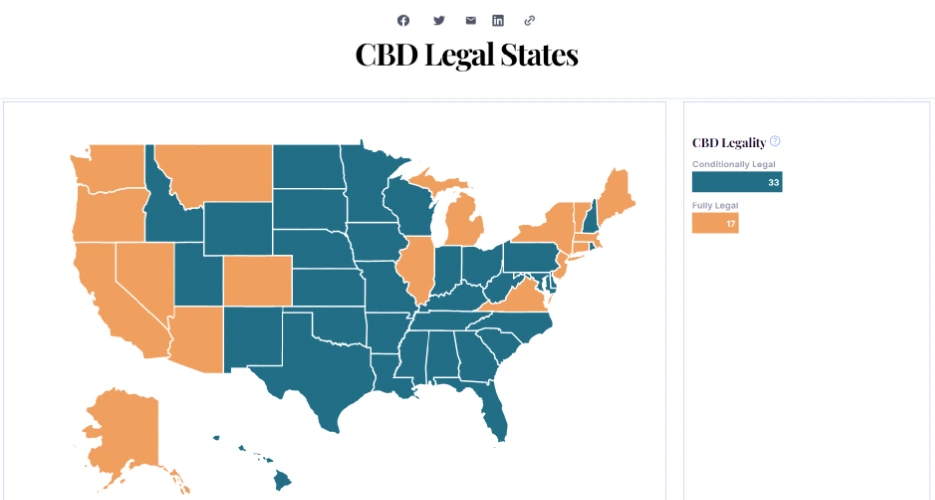
CBD's legal status is one of the most confusing areas, because there's no global standard: it changes from country to country, and can even vary within a single country depending on the state or region.
CBD legality in the UK and Europe
Across Europe, the legal picture is a mix of countries where CBD is permitted, others where it sits in a grey area, and some where it's outright banned. This depends on factors such as the permitted THC percentage, or whether it's sold as a food, cosmetic or supplement. Before buying or travelling with a CBD product, it's worth checking current regulations in each country, since they can change over time.
Travelling with CBD: the risk few athletes are aware of
This is where the risk escalates for any athlete competing internationally. A product that's perfectly legal in your home country can be illegal in the country where you're competing, and the consequences aren't a simple fine: there are documented cases of arrests and prison sentences for carrying CBD, even when the product was legal in the country of origin. The advice here is clear: caution isn't enough — the safest option is simply not to travel with CBD at all.
The risk almost no one tells you about: CBD and anti-doping
This is probably the most important point in the article, and the one least understood by athletes: taking CBD can lead to a positive anti-doping test, even without ever having taken THC.
What does WADA actually prohibit? (it's not just THC)
There's a widespread belief that the World Anti-Doping Agency (WADA) only prohibits THC. That's a mistake with serious consequences: the rule states that all cannabinoids are prohibited, except CBD. This means a full-spectrum or broad-spectrum product (which contains other cannabinoids besides CBD) can cause an athlete to test positive, even if that product contains no THC at all.
Does a "certified" or "batch tested" CBD product protect you 100%?
Not necessarily. The best-known quality seals usually test for the absence of THC, but don't always screen for the other cannabinoids that WADA also prohibits. A product can carry a certification seal and still contain traces of a banned cannabinoid. On top of that, several studies have found that many CBD products on the market don't contain the amount of CBD stated on the label, and some don't contain any CBD at all.
The practical takeaway is simple: no seal, however reputable, removes the risk entirely.
So, is the risk worth it?
Let's go back to our opening scenario: a player asks you to help them choose a CBD product to improve their sleep and recovery. After going through the science, the legal status and the anti-doping risk, the honest answer is clear.
Right now, CBD sits in a space with plenty of unknowns and few certainties: the evidence for its benefits in athletes is still very limited, its legal status varies by country, and the risk of an anti-doping positive is real even with products that claim to be THC-free. Weighing uncertain benefits against very concrete risks, expert advice leans toward caution: for now, CBD simply isn't worth the risk.
That doesn't mean the door is closed forever. Research is moving forward, and clearer answers may emerge in the coming years. Until then, an athlete — and whoever is advising them — needs to make this decision based on real information, not on the first thing that comes up in a Google search.
Frequently asked questions about CBD and sport
Is CBD the same as marijuana?
No. CBD is a compound extracted from hemp (a cannabis variety with very little THC), while marijuana comes from varieties high in THC, the psychoactive cannabinoid. CBD on its own is not marijuana and doesn't produce its effects.
Does CBD get you "high" or is it psychoactive?
No. Unlike THC, CBD has no psychoactive effect: it doesn't alter perception or produce the "high" associated with cannabis use.
How much CBD can you safely take per day?
It depends on the country: safe upper limits vary quite a bit between regulators. In any case, the scientific evidence on effective doses in a sports context is still very limited, so it's best to consult a professional before making any decisions.
Does CBD show up as a positive on a urine or blood test?
CBD itself is not prohibited by WADA, but many CBD products contain other cannabinoids that are. That's why taking CBD — especially full-spectrum or broad-spectrum products — can lead to a positive result even though CBD itself is permitted.
Can I take CBD while training or competing?
Before doing so, an athlete should consider three factors: whether the product is genuinely free of other prohibited cannabinoids, whether its use is legal in the country where they train or compete, and whether there's real evidence it will provide any benefit. Right now, that combination is hard to guarantee.
Does CBD interact with other supplements or medications?
CBD can interact with certain drugs, since it affects the same liver enzymes that metabolise many medications. If an athlete is on any medical treatment, it's important to check with their doctor or pharmacist before adding CBD.
What's the difference between natural and synthetic CBD?
Natural CBD is extracted directly from the hemp plant, while synthetic CBD is produced in a lab to replicate the same molecule. Although both are technically "CBD," recent research suggests they may not behave identically in the body — something that's still being studied.
Who should be making this decision at a professional club?
As you've seen, the question "can this player take CBD?" doesn't have a simple answer: it requires understanding physiology, legislation and anti-doping regulations all at once. And that's exactly the role of a sports nutritionist within a club or team: cutting through the noise — what gets read online or discussed in the dressing room — and offering a recommendation based on real evidence, not marketing.
This article is based on the teachings of Professor Graeme Close, Director of FSI Training's Sports Nutrition Master's and one of the most respected researchers worldwide in exercise physiology, with over a decade studying CBD in a sporting context alongside his research team.
If you want to go deeper into this and many other key decisions faced by a sports nutritionist — from supplementation to nutrition periodisation for elite athletes — backed by first-hand research and real cases from professional clubs, discover FSI Training's Sports Nutrition Master's.
Powered by Froala Editor