FSI Master's
Football Injury Prevention & Rehab Coach

Work as an injury rehab coach at a professional club

Message us on WhatsApp
55+ internship clubs
60% stay on at the club
30+ elite lecturers

Why choose FSI?

A project born at the heart of Europe's top clubs

Internships at professional clubs

Put what you learn into practice at one of our partner clubs. And if you want to keep building experience, you can do another placement at a different club.

The best of the pitch and the classroom

Learn from professionals working at elite clubs and from researchers at world-leading institutions. Day-to-day practice and the science behind it, in a single programme.

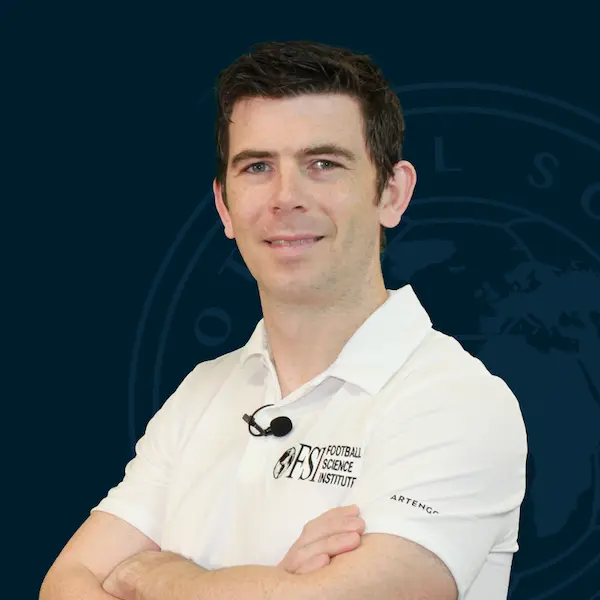
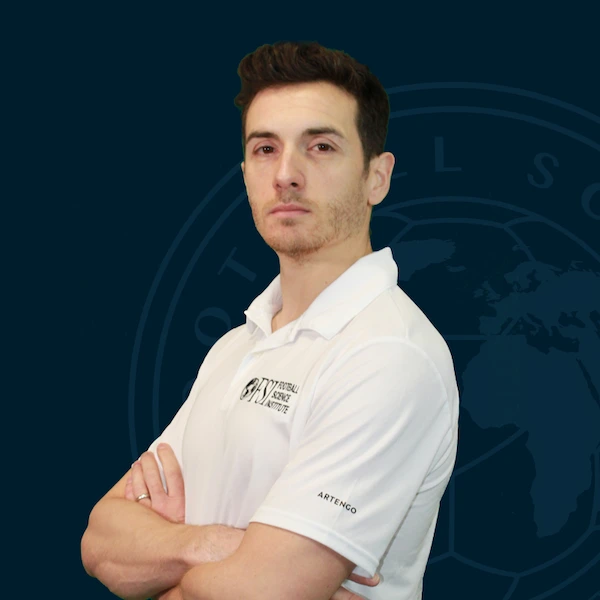
  • David Joyce

    David Joyce

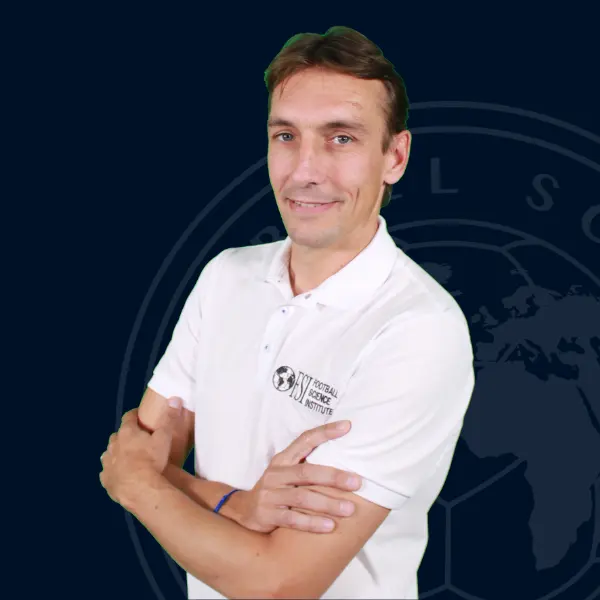
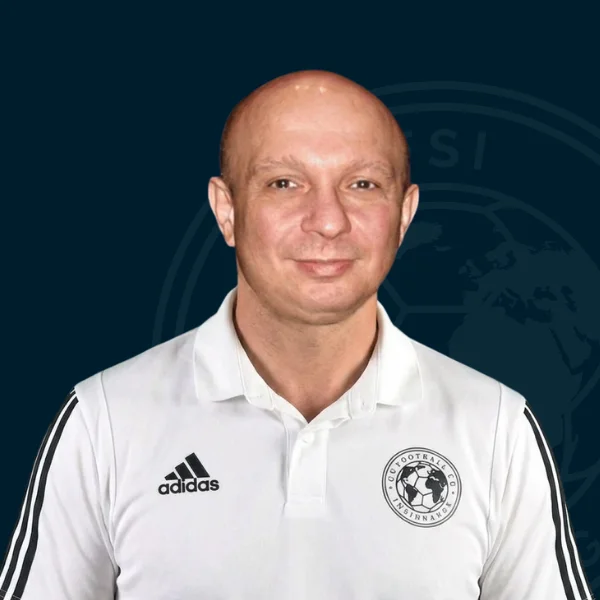
  • Jesús Olmo

    Jesús Olmo

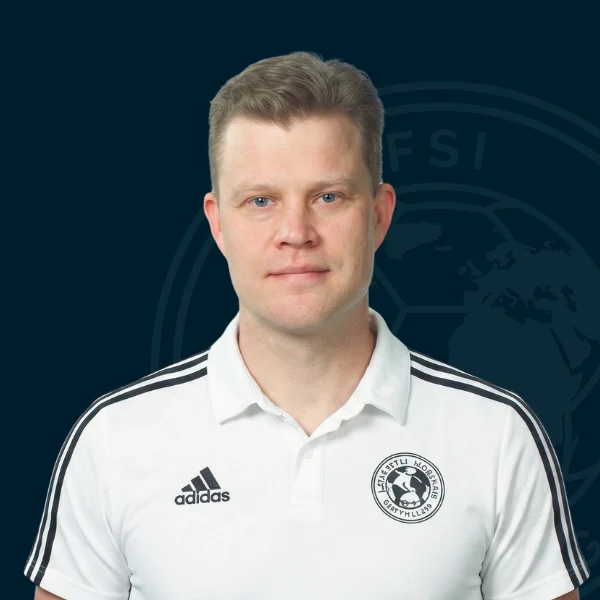
  • Enda King

    Enda King

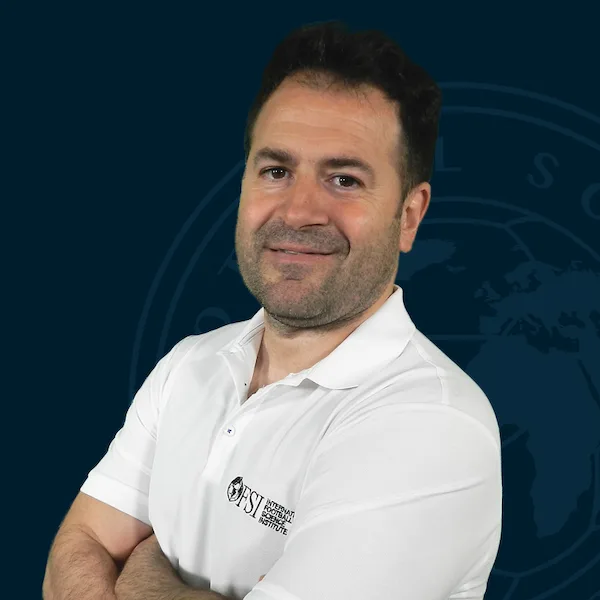
  • Matthew Buckthorpe

    Matthew Buckthorpe

  • Francesco Della Villa

    Francesco Della Villa

  • Darcy Norman

    Darcy Norman

  • Jean-Benoît Morin

    Jean-Benoît Morin

  • Matt Taberner

    Matt Taberner

  • Nicola Maffulli

    Nicola Maffulli

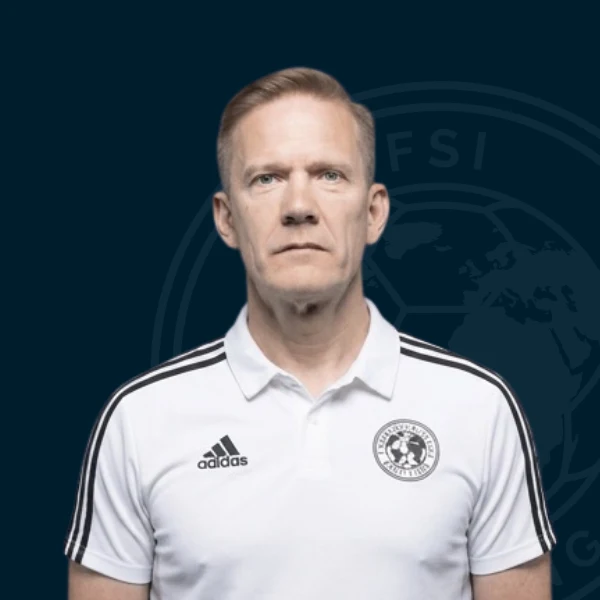
  • Lasse Lempainen

    Lasse Lempainen

  • Jo Clubb

    Jo Clubb

  • Luis Suárez Arrones

    Luis Suárez Arrones

Much more than a master's

Joining FSI gives you access to an ecosystem built around your career:

  • Job board with openings at clubs around the world
  • Private community of students and lecturers
  • Professional tools for your day-to-day work (toolkits)
  • Exclusive content: articles and videos from experts
What are you looking for
Job title, keywords or organisation
Sport Lisboa e Benfica

Performance Analyst

Sport Lisboa e Benfica · Lisbon, Portugal

Villarreal CF

U-23 Head of Scouting

Villarreal CF · Villarreal, Spain

Sounds like a fit? Request information or message us on WhatsApp, with no commitment.

Message us on WhatsApp

A world of career opportunities

What you'll be able to do when you finish

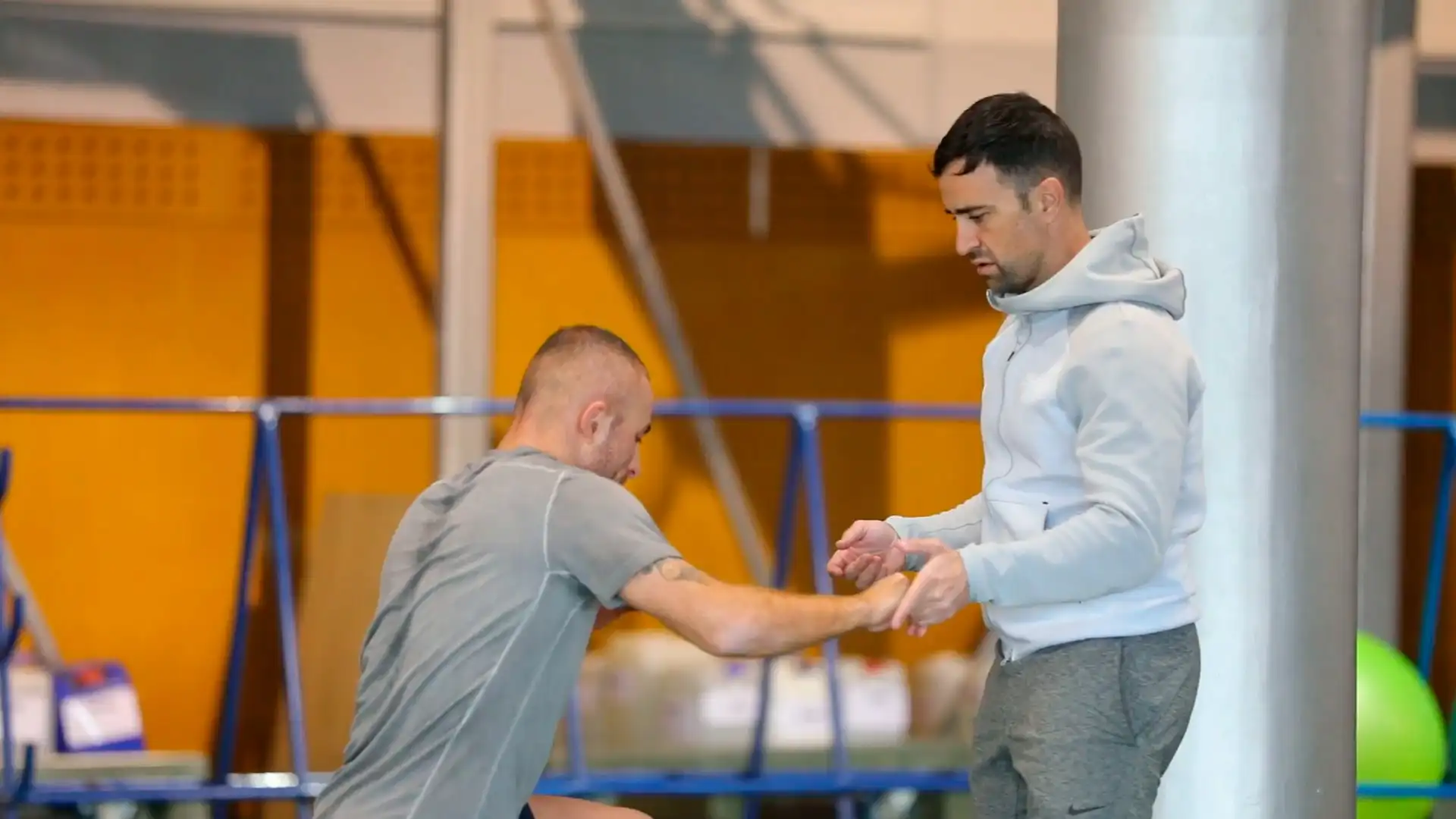
  • Movement assessment of a player in the gym

    Screening and risk assessment

    Assess eccentric strength, biomechanics and mobility to spot risk factors before they turn into injuries.

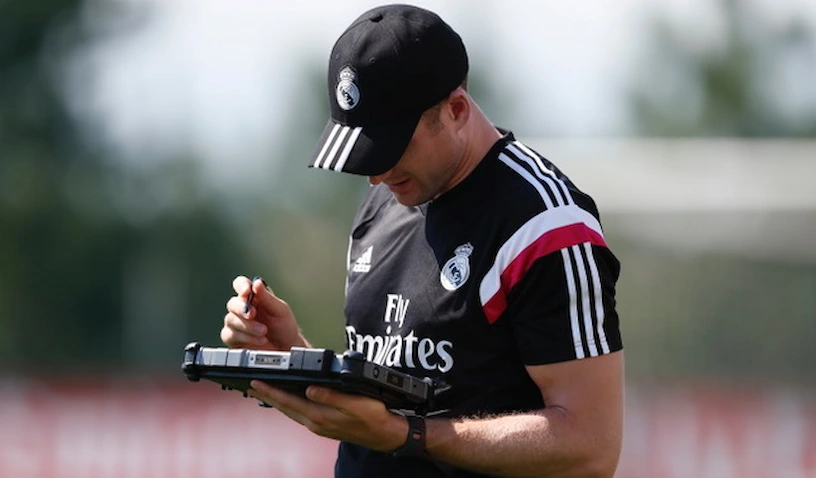
  • Jack Nayler logging data at a training session

    Load management

    Monitor training and match load with data to reduce injury risk without holding back performance.

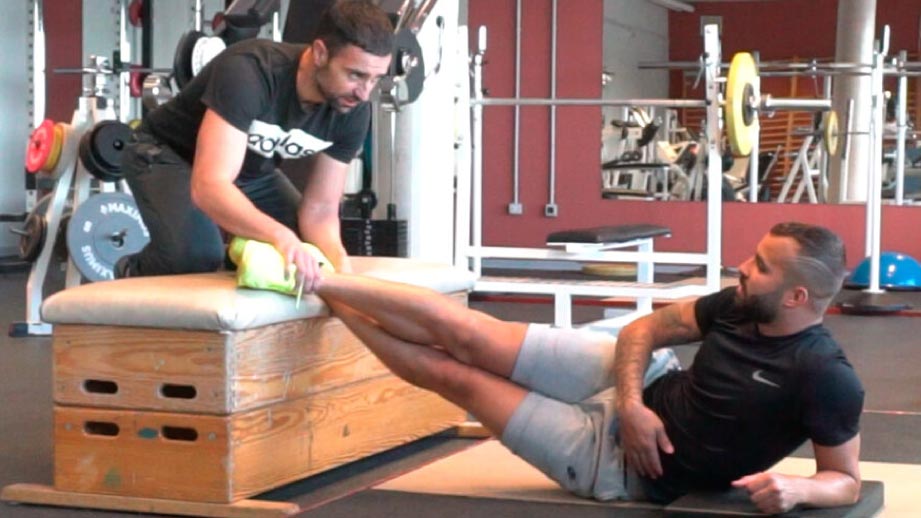
  • Individual reconditioning work in the gym

    Injury reconditioning

    Design reconditioning programmes by area: hamstrings, knee, ankle, lower back and upper body.

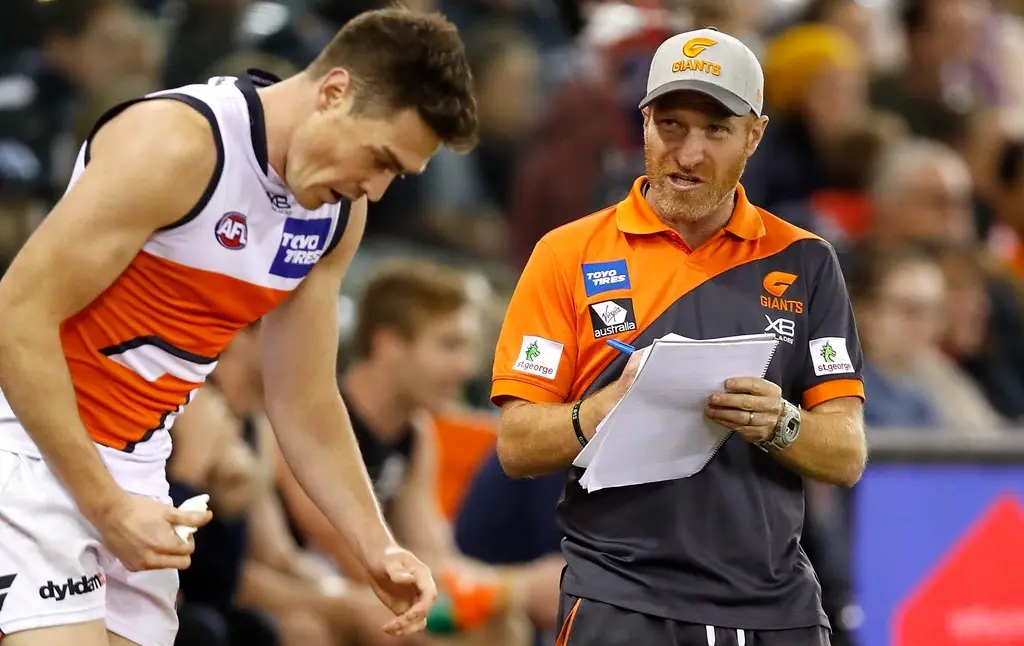
  • David Joyce with a player during a match

    Return to play

    Guide the player from the gym to the pitch with clear criteria for a safe return to play without setbacks.

When you finish, you can work as:

  1. 01 First-team rehab coach
  2. 02 Academy rehab coach
  3. 03 Personal rehab coach for players
  4. 04 S&C coach specialised in injury prevention
  5. 05 Physio with a reconditioning profile

Can you see yourself in one of these roles? Request information or message us on WhatsApp, with no commitment.

Message us on WhatsApp

From the master's to the club

Stories of students who now work in professional football

60% of our interns stay on at their club

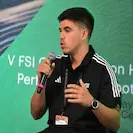
"Thanks to FSI, I got an internship that opened the door to a job"

Sara Mejías · Physiotherapist and rehab coach

"I came from Uruguay to do my internship at Real Betis. The master's gave me the tools and the support I needed."

Alejandro Maurente

Alejandro Maurente

Strength & conditioning coach · Real Betis

Real Betis

"It combined theory and practice exceptionally well. I did my internship at Mallorca, with the reserve team and the first team."

Sara Martínez

Sara Martínez

Rehabilitation specialist · RCD Mallorca

RCD Mallorca

"I was looking for a real way into elite football. I got an internship at Valencia… and today I work there."

Laura Fernández

Laura Fernández

Nutritionist · Valencia CF

Valencia CF

"The FSI Training programme changed my life. I'm truly grateful for this experience."

Capucine Bertrand

Capucine Bertrand

Nutritionist · Paris Saint-Germain

Paris Saint-Germain

Inside the Master's in Football Injury Prevention and Reconditioning

Around 90 hours of video covering what elite clubs demand today

  1. M1 Injury Prevention Management in Football

    This module focuses on analysing the competitive demands for which training is designed, addressing the physiological and external demands of football match play.

    It examines what occurs during match performance to develop a precise understanding that allows the design of effective, context-specific training methods.

  2. M2 Training Methods for Injury Prevention in Football I

    This module explores the development of training methods aimed at injury prevention in footballers.

    It covers the physiological foundations of mobility, flexibility and range of motion, as well as principles of strength and deceleration training applied to football.

  3. M3 Training Methods for Injury Prevention in Football II

    The module includes practical workshops on eccentric pulley systems, core strength training and assessment of cutting mechanics using the CMAS.

    Technical models and training strategies are analysed to improve change-of-direction performance and reduce injury risk.

  4. M4 Load Management in Footballers I

    This module focuses on workload monitoring from a practical perspective for coaches and strength and conditioning professionals.

    It presents different technical tools for load monitoring, beginning with simple methods and progressing to more advanced systems.

  5. M5 Load Management in Footballers II

    This module introduces the concept of load control for injury prevention and return to play, emphasising coordination between sports science and medical departments.

    It includes management of tendinopathy, understanding pain mechanisms and practical recovery strategies such as nutrition, sleep and complementary modalities.

  6. M6 Foundations of Injury Reconditioning in Footballers

    This module explores the mechanical properties of musculoskeletal tissues, muscle healing physiology and adaptations to eccentric training.

    It addresses reconditioning methodology, progression control and return-to-play criteria within the control–continuum–chaos framework.

  7. M7 Reconditioning Methods in Footballers

    This module reviews strategies to reduce detraining during early injury phases and the application of heat and altitude exposure to support physical condition.

    It includes inspiratory muscle training, blood flow restriction, aquatic methods and neuromuscular control reconditioning.

  8. M8 Reconditioning and Prevention of Lumbar Spine Injuries I

    This module addresses reconditioning and prevention of injuries in the lumbar spine, pelvis and groin, including functional anatomy and biomechanics.

    Clinical management and reconditioning processes following adductor injuries, pubalgia and related surgical procedures are analysed.

  9. M9 Reconditioning and Prevention of Lumbar Spine Injuries II

    This module provides an integrated overview of the clinical management of spinal injuries in football.

    It includes reconditioning and prevention of degenerative lumbar conditions, stress fractures, lumbar disc surgery rehabilitation and exercise-induced pain management.

  10. M10 Injury Reconditioning in Footballers

    This module focuses on quadriceps injuries and extensor mechanism conditions of the knee, addressing medical description and clinical management.

    Reconditioning and prevention strategies for muscle injuries, tendinopathies and associated fractures are developed.

  11. M11 Hamstring Injury Reconditioning and Prevention I

    This module covers the clinical management of hamstring injuries and the reconditioning process following such injuries.

    Restoration of function and normal biomechanics is emphasised, including rehabilitation after severe and specific hamstring complex injuries.

  12. M12 Hamstring Injury Reconditioning and Prevention II

    This module addresses reconditioning and prevention of proximal hamstring tendon syndrome.

    It includes management of recurrent injuries and surgical approaches to severe musculotendinous injuries in footballers.

  13. M13 Knee Injury Reconditioning and Prevention I

    This module focuses on knee ligament injuries, with particular attention to ACL injuries.

    Functional anatomy, biomechanics, risk factors, ACL reconstruction and reconditioning processes are analysed, especially in female players.

  14. M14 Knee Injury Reconditioning and Prevention II

    This module addresses clinical management of meniscal and chondral injuries and knee conditions in young footballers.

    Reconditioning processes following lateral meniscus resection and meniscal repair are examined.

  15. M15 Reconditioning of Leg, Ankle and Foot Injuries

    This module covers clinical management of common leg, ankle and foot injuries, including fractures, Achilles tendinopathy and ankle sprains.

    Reconditioning, prevention and pain management strategies are developed, including considerations for young footballers.

  16. M16 Reconditioning of Upper Body Injuries in Footballers

    This module addresses clinical management of common shoulder injuries in footballers.

    It includes reconditioning and prevention of glenohumeral instability in goalkeepers and concussion management in football.

Questions about the programme? Message us on WhatsApp