Nutrition before training is one of the simplest tools for improving performance on the pitch. While the main meal often gets all the attention, a pre-training snack can also make a difference, especially when several hours have passed since the last meal or when the session takes place early in the morning or later in the day.
Choosing the right snack helps maintain energy levels, delay fatigue and support better training quality. But what should a footballer eat before training?
Why is a pre-training snack important?
Football is an intermittent sport that combines high-intensity actions, such as sprints, accelerations, changes of direction and jumps, with periods of lower intensity. To meet these demands, the body relies heavily on muscle glycogen stores, the main source of energy during intense exercise.
When these stores are low, physical and cognitive performance can be affected. Therefore, a carbohydrate-rich snack before training can help maintain energy availability and improve the quality of the session.
Research has shown that adequate carbohydrate availability before exercise supports physical performance and reduces perceived fatigue during high-intensity sports such as football (Thomas et al., 2016).
What should a good pre-training snack contain?
There is no single perfect snack. The choice will depend on the training schedule, how much time is available before starting and each player's digestive tolerance.
In most cases, it is recommended to include:
- Easy-to-digest carbohydrates.
- Moderate amounts of protein if there are more than 60–90 minutes before training.
- Low fat and fibre content to avoid gastrointestinal discomfort.
- Adequate hydration.
If training starts in less than an hour, it is preferable to choose simple, easy-to-digest foods.
The best pre-training snacks for football
1. Banana
Probably one of the most practical options for any footballer.
It provides readily available carbohydrates, potassium and is very easy to carry. It is also generally well tolerated before exercise.
Ideal if there are 30–60 minutes before training.
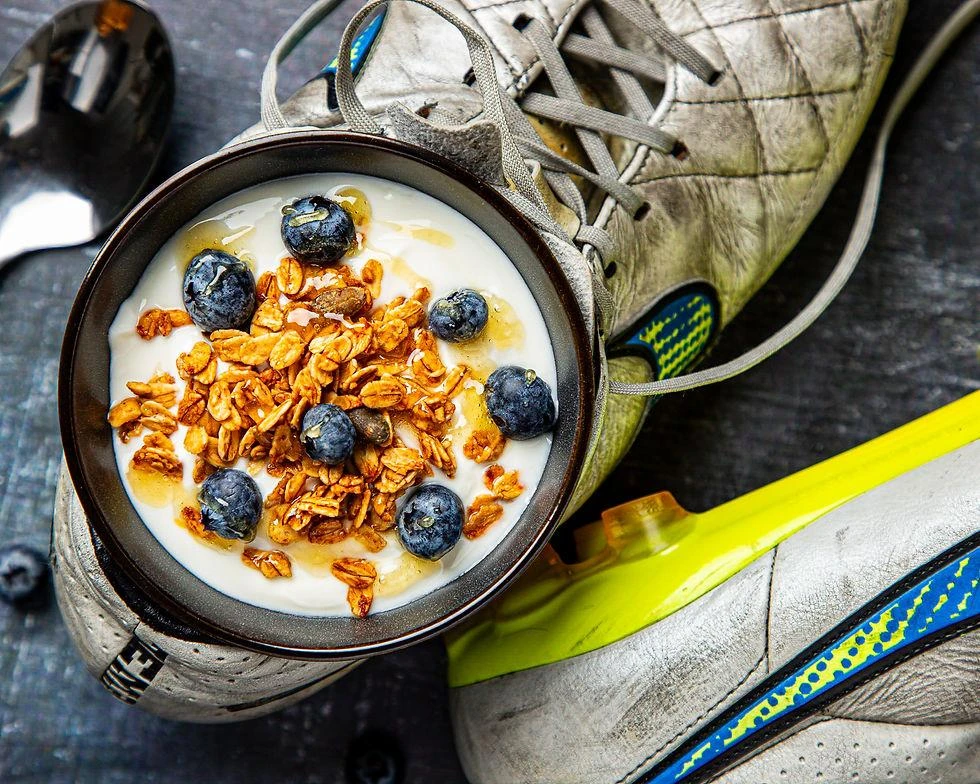
2. Yogurt with fruit
Yogurt provides high-quality protein, while fruit provides readily available carbohydrates.
It is a good option when there is approximately 90 minutes before training.
3. Toast with jam or honey
A slice of white bread with honey or jam provides a quick source of energy thanks to its high carbohydrate content.
It is a popular option before training sessions and matches.
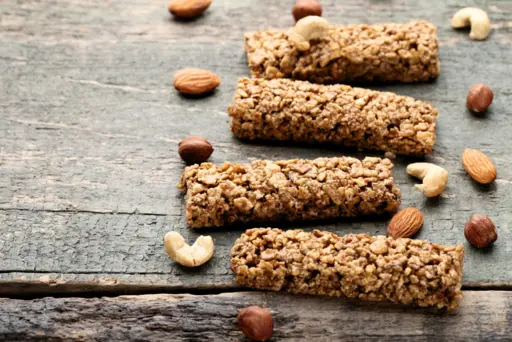
4. Cereal bars
They can be useful when there is not enough time to prepare food.
However, it is worth checking their nutritional composition and choosing options with a higher carbohydrate content and lower amounts of fat or fibre.
5. Oats with fruit
If there are still two or three hours before training, oats are an excellent source of sustained energy.
Combined with fresh fruit, they provide a balanced mix of quickly and slowly absorbed carbohydrates.
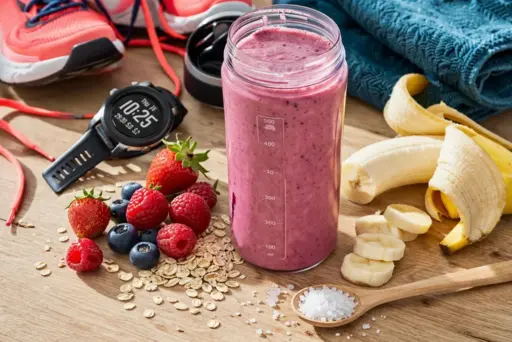
6. Fruit smoothie
When appetite is low or the weather is hot, a fruit-based smoothie can be a convenient alternative.
It can also include yogurt or milk if training does not start immediately.
Which foods should you avoid?
Not all foods are suitable immediately before training.
It is recommended to limit:
- Very fatty foods such as pastries or fast food.
- Large amounts of fibre.
- Very large meals.
- Alcoholic beverages.
- Products that each player knows cause digestive discomfort.
Every footballer responds differently, so it is always recommended to test your nutrition strategy during training before applying it in competition.
When should you have your snack?
| Time before training | Recommendation |
|---|---|
| 2–3 hours | A complete meal rich in carbohydrates and protein and low in fat. |
| 60–90 minutes | A snack containing carbohydrates and some protein. |
| 30–60 minutes | A light snack rich in carbohydrates. |
Hydration should also begin before starting the session, as even small fluid losses can affect both physical performance and decision-making.
If you want to learn more about how nutrition influences performance and how to design evidence-based nutrition strategies, you can explore the FSI Training Master’s in Football Nutrition, led by international experts in football nutrition.
We also recommend reading our article about how to hydrate properly in summer if you play football, where you will find practical recommendations to optimise performance and prevent dehydration.
Nutrition is also something you train
There is no universal snack that works for every footballer. The key is to find options that fit individual needs, training schedules and each player's characteristics.
Planning your pre-training nutrition properly can help maintain a higher intensity during the session, support post-training recovery and optimise long-term performance.
In modern football, nutrition is part of training. Learning to fuel strategically is another valuable skill for any performance professional.

References
- Burke LM, Hawley JA, Wong SHS, Jeukendrup AE. Carbohydrates for Training and Competition. Journal of Sports Sciences. 2011;29(S1):S17-S27.
- Thomas DT, Erdman KA, Burke LM. Position of the Academy of Nutrition and Dietetics, Dietitians of Canada, and the American College of Sports Medicine: Nutrition and Athletic Performance. Journal of the Academy of Nutrition and Dietetics. 2016;116(3):501-528.
- Collins J, Maughan RJ, Gleeson M, et al. UEFA Expert Group Statement on Nutrition in Elite Football. British Journal of Sports Medicine. 2021;55(8):416-442.