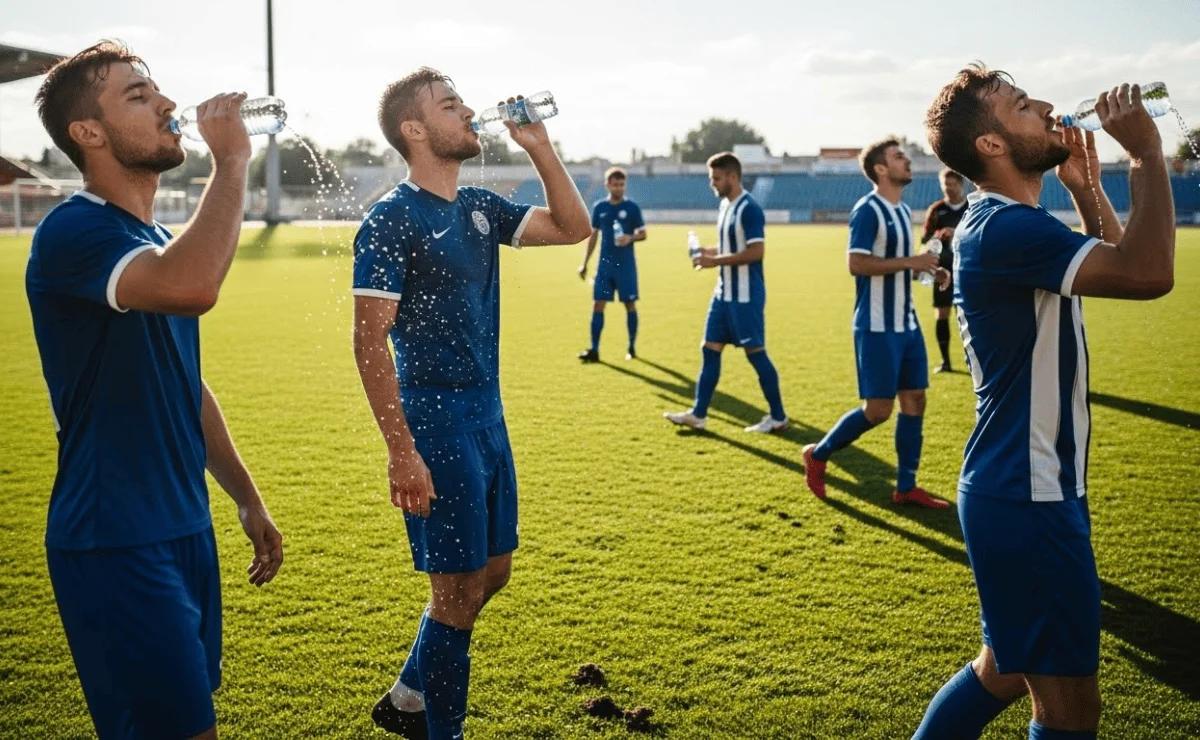
How to stay properly hydrated in summer when playing football
Heat is part of the game too
Summer is one of the most demanding times of the year for football players. High temperatures, humidity, and intense training sessions significantly increase fluid and electrolyte loss, affecting both performance and overall health.
Proper hydration does more than prevent dehydration, it helps maintain concentration, reduces the risk of muscle injuries, and supports faster recovery. In this article, we'll explain how to hydrate effectively before, during, and after training or matches.
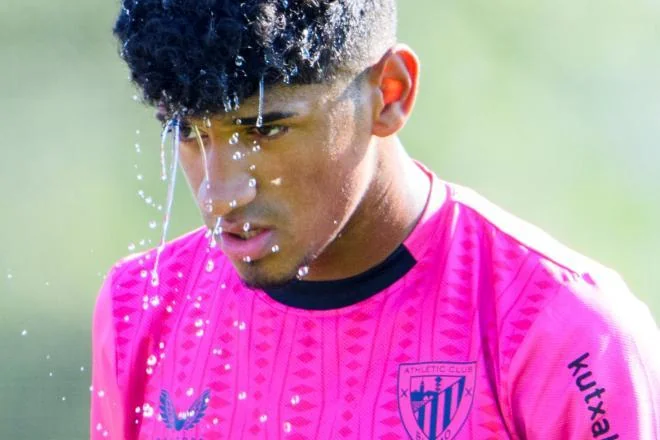
Why is hydration so important in football?
During training sessions or matches, football players can lose between 1 and 3 litres of sweat per hour, depending on exercise intensity and weather conditions.
When the body loses more fluids than it replaces, several problems can occur:
- Reduced physical performance
- Early fatigue
- Decreased concentration and decision-making ability
- Increased risk of muscle cramps
- Higher risk of heat-related illnesses
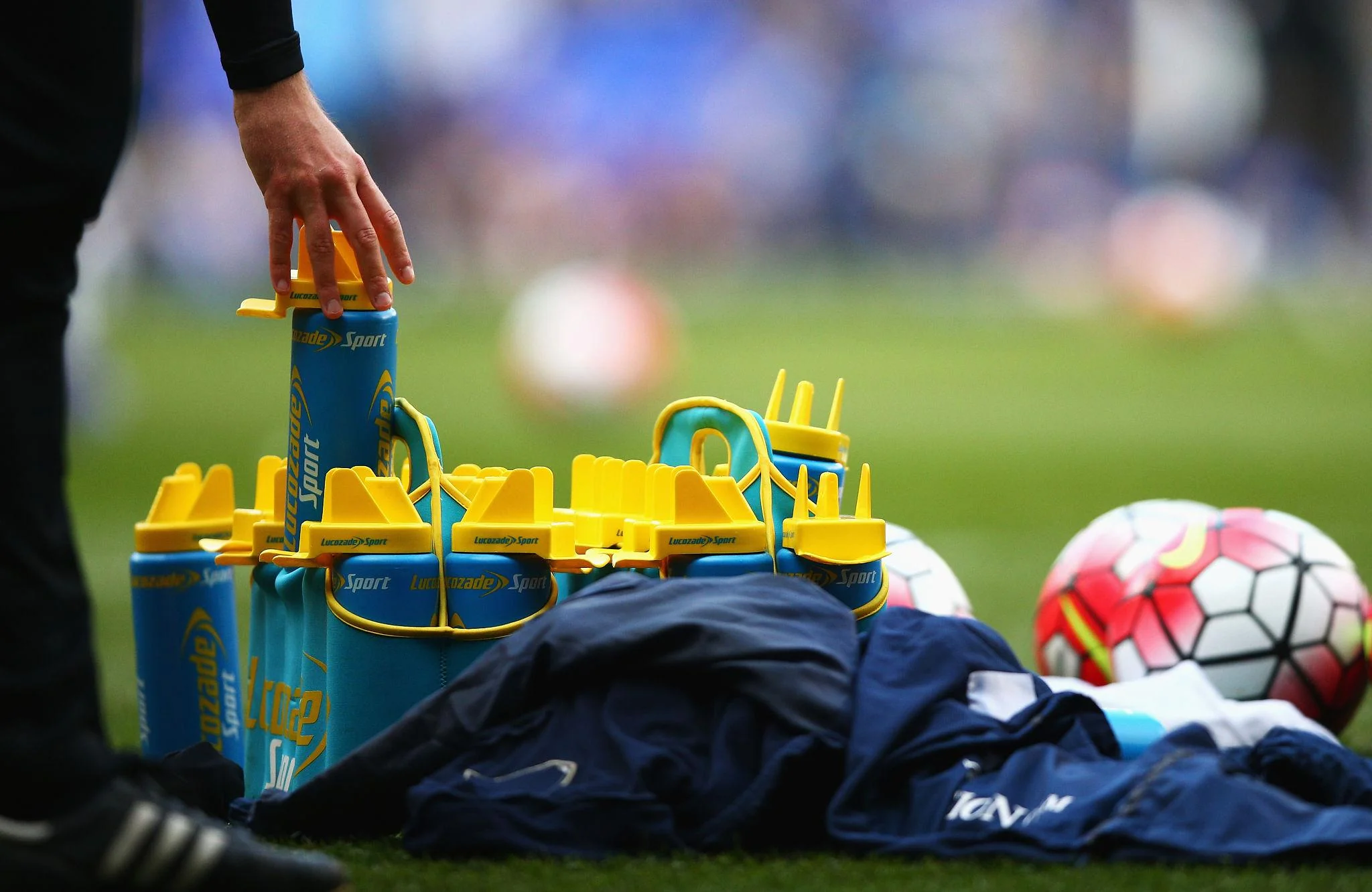
In a sport where every decision and every action matter, even mild dehydration can make a significant difference.
Before training: start hydrated
One of the most common mistakes players make is waiting until they feel thirsty to drink water. However, thirst is actually a late sign of dehydration.
To prepare properly:
- Drink 400–600 ml of water around two hours before training.
- Continue sipping small amounts of water until the session begins.
- Avoid starting training after long periods without drinking fluids.
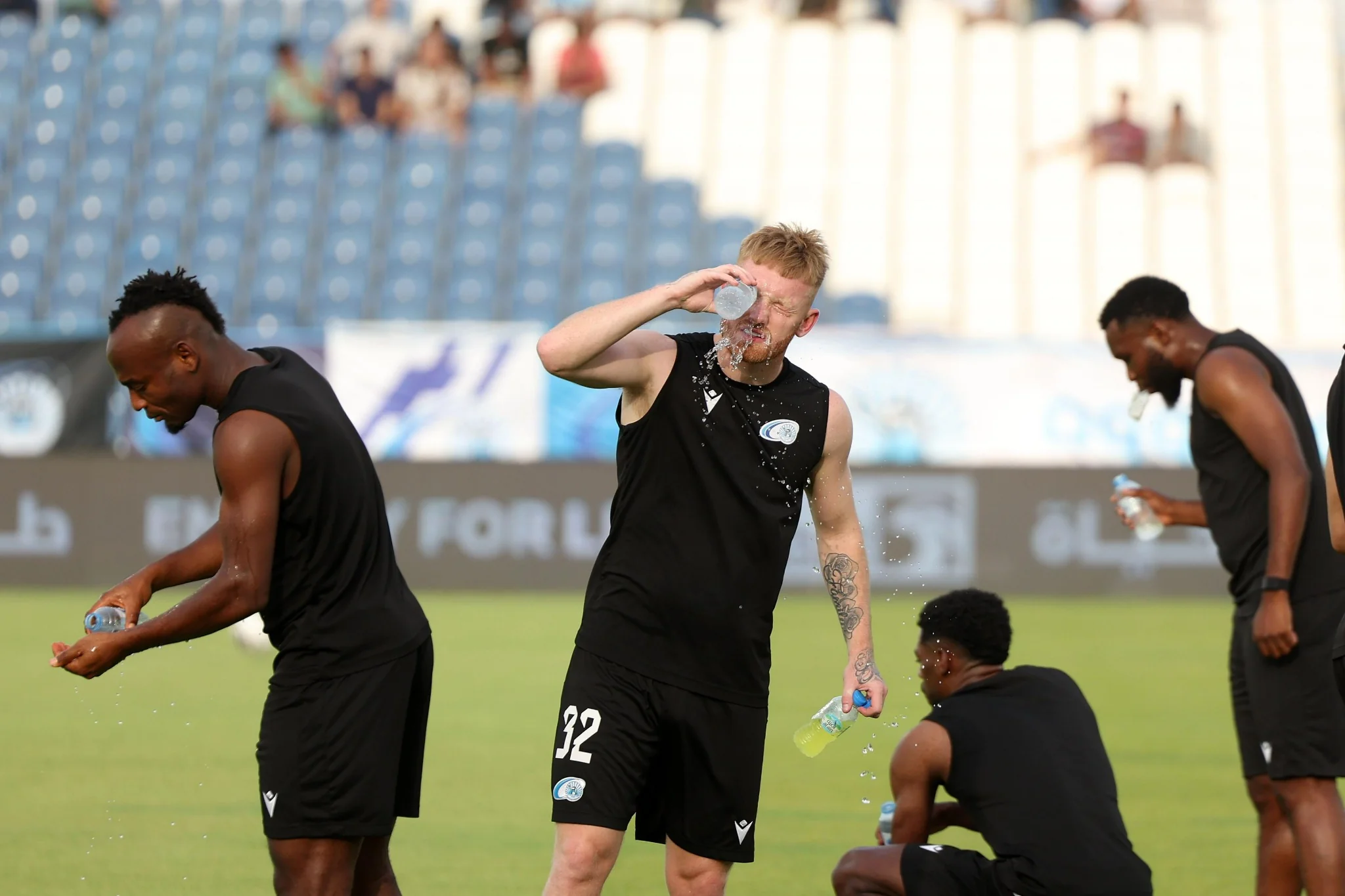
Eating plenty of water-rich fruits and vegetables also helps maintain good hydration throughout the day.
During training: Drink before you feel thirsty
For training sessions lasting longer than 60 minutes, or when temperatures are particularly high, regular hydration is essential.
General recommendations include:
- Drink 150–250 ml every 15–20 minutes.
- Take advantage of training breaks to replace lost fluids.
- Use sports drinks containing electrolytes during long, intense sessions or when sweat loss is excessive.
Electrolytes help replace sodium, potassium, and other minerals lost through sweat, supporting both performance and recovery.
After training: Recovery starts with rehydration
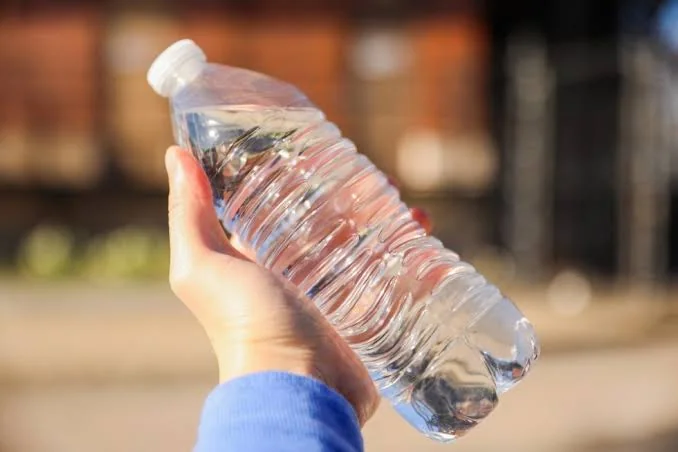
Hydration doesn’t end when the session is over. Replacing lost fluids after exercise is key to supporting muscle recovery and preparing the body for the next training session.
The best approach is to start drinking water immediately after training, especially if possible alongside a balanced meal that includes carbohydrates and protein. When sweat loss has been high, electrolyte drinks can help restore balance more effectively. Food can also play an important role in this process, with options like watermelon, melon, oranges, pineapple or cucumber helping to rehydrate while providing additional nutrients.
Recovering well is not only about rest, it’s also about restoring what the body has lost during effort.
Proper recovery will help you perform at your best in your next session.
Signs you may be dehydrated
Learning to recognise the early warning signs of dehydration is essential. Intense thirst, dry mouth, headache, dizziness, dark-coloured urine, muscle cramps and unusual fatigue are all common indicators. If any of these symptoms appear during training, it’s important to stop exercising, move to a shaded area and rehydrate immediately.
Common hydration mistakes
Many football players still make mistakes that directly affect performance. A common one is waiting until they feel thirsty before drinking, as well as relying only on soft drinks or energy drinks. Some also drink large amounts of water all at once, fail to replace electrolytes after intense sessions, or simply neglect hydration throughout the day. Hydration should be part of an athlete’s daily routine, not something limited to training sessions.
Practical tips for training in summer
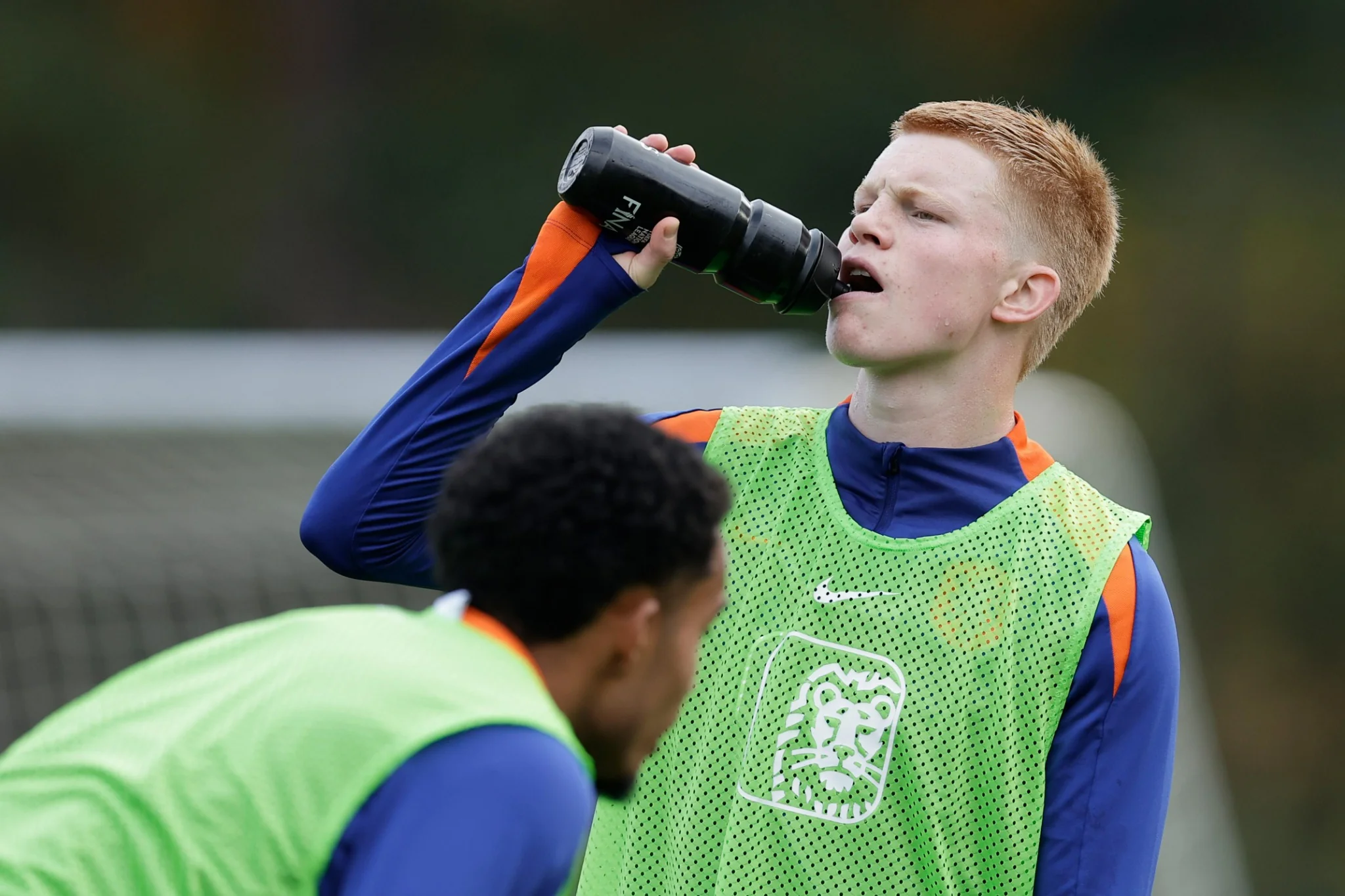
When training in hot conditions, small habits make a big difference. Carrying a water bottle at all times, choosing the coolest hours of the day when possible, wearing lightweight and breathable light-coloured clothing, using shaded areas during breaks and paying attention to early signs of fatigue or dizziness can all help maintain performance and reduce risk.
Hydration Is part of your training
In modern football, success isn't only about technical ability, tactical awareness, or physical conditioning. Nutrition and hydration are essential components of athletic performance and can make a real difference over the course of a season.
Learning how to hydrate properly helps players maintain peak performance, reduce the risk of injury, and recover more effectively between training sessions and matches.
At FSI Training, we believe that developing a footballer goes far beyond what happens on the pitch.
That's why our programmes include education in physical preparation, nutrition, recovery, and football science, equipping future professionals with the knowledge and skills needed to meet the demands of the modern game