For a long time, it was assumed that training and feeding a female athlete is identical to doing so with a male athlete, simply adjusting for body weight. However, the key isn't size: it's hormones.
The female body goes through several hormonal changes throughout life (puberty, the menstrual cycle, contraception, pregnancy), while in men the hormonal profile is much more stable. That difference is what truly matters when it comes to training, feeding, and caring for a female athlete.
Does the menstrual cycle really affect sports performance?
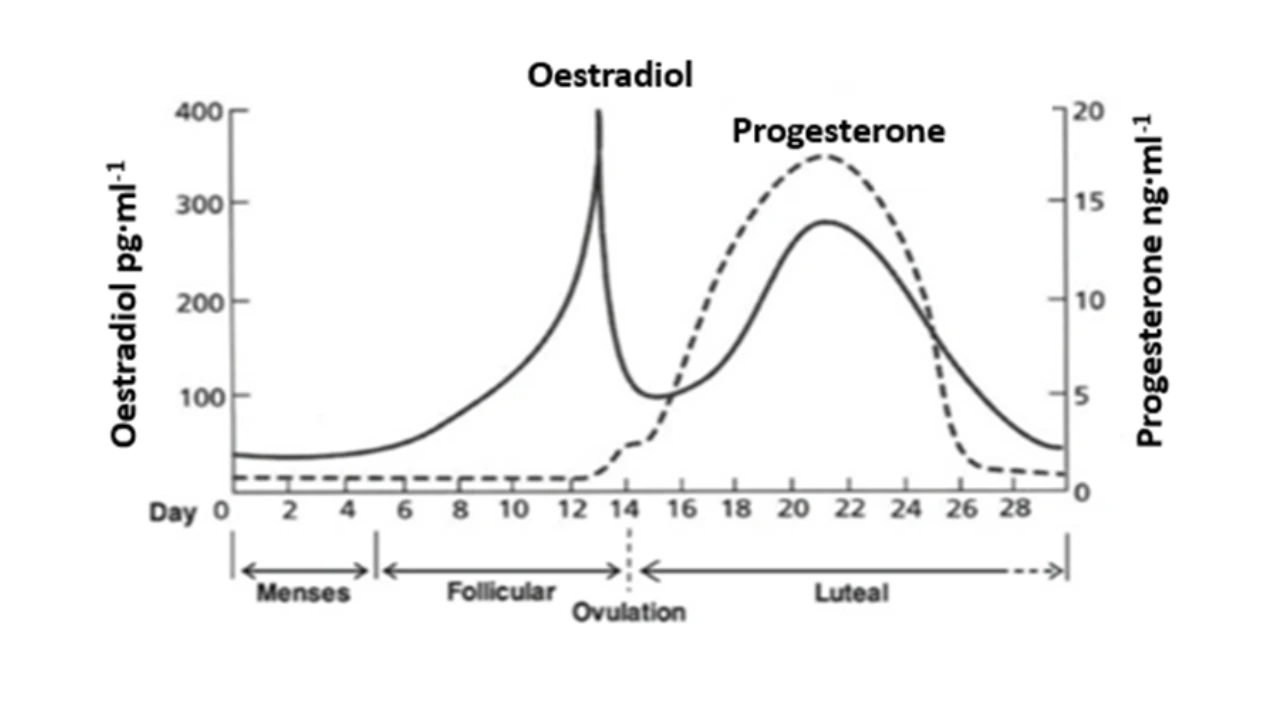
Before diving into the studies, a quick refresher: the menstrual cycle is divided into three phases (menstrual, follicular, and luteal), marked by levels of estrogen and progesterone.
Although textbooks talk about a "standard" 28-day cycle, the reality is that it can vary between 22 and 35 days, and can even change from one month to the next in the same player.
What do studies tell us about the variability of the menstrual cycle?
A systematic review focused specifically on women's football, which analyzed the available clinical trials, found that the quality of the evidence remains low (Hamed-Hamed et al., Frontiers in Physiology 2024).
A more recent study with real weekly monitoring at an elite academy (18 players) likewise found no clear, consistent pattern in physical performance (Juillard et al., Sports 2024).
In short: science still cannot say for certain what happens to a football player's performance in each phase of the cycle, neither in which direction nor with what intensity. ⚠️ Any guide that tells you otherwise with total certainty is getting ahead of the available evidence.
The link that does raise concern: the menstrual cycle and ACL injury risk
Here's a clear fact: female footballers tear their anterior cruciate ligament (ACL) up to 8 times more often than male footballers. It's one of the most serious and slowest injuries to recover from in football, and for decades factors such as pelvic anatomy or footwear have been blamed. But in recent years, research has started looking elsewhere: the menstrual cycle.
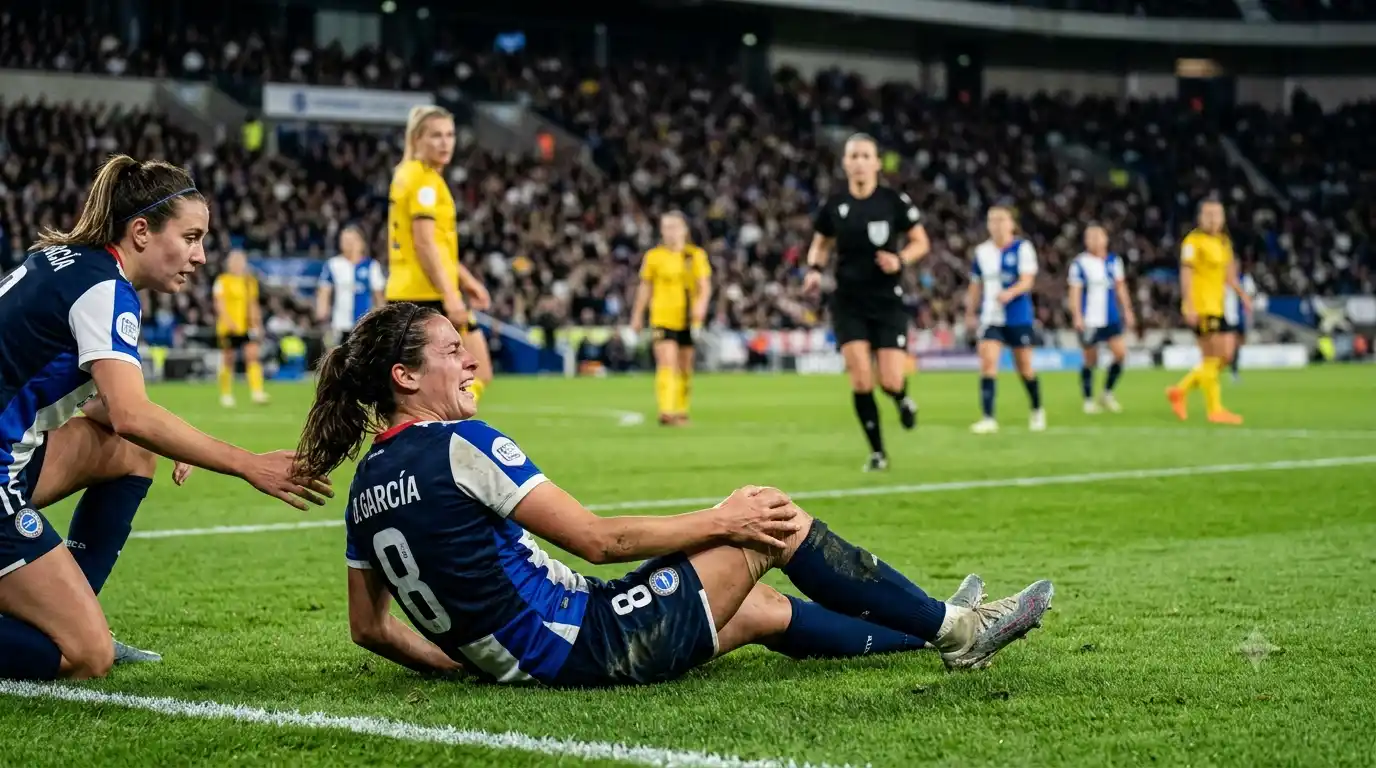
A study following professional footballers over three seasons found a higher injury risk during the luteal phase, just before menstruation (Barlow et al., Med Sci Sports Exerc 2024), while another broad review places the greatest risk in the late follicular phase, when the estrogen peak increases ligament laxity (MacMillan et al., Sports Medicine 2024).
The studies don't agree on the exact timing, but the fact that different pieces of research find some kind of relationship, even if not at the same point in the cycle, is a sign that something real is going on here. In fact, FIFA has begun directly funding studies on this, a sign that women's football is now being researched as what it is, rather than as a scaled-down version of the men's game.
In practice, this means that paying attention to each player's cycle and working closely with physios and rehab specialists can be part of a solid injury-prevention strategy, even though science still doesn't offer a ready-made manual saying "do this on this exact day."
Hormonal contraceptives in footballers: do they help, hurt, or change nothing?
It may come as a surprise, but around 50% of elite athletes, including footballers, take some type of hormonal contraceptive, not always for contraceptive purposes: many use it to control or directly eliminate their period at key moments of the season, such as a World Cup (Elliott-Sale, FSI Training internal data). This changes the picture quite a bit, because it means that half the dressing room doesn't have a "natural" menstrual cycle to track.
When taking the pill, the estrogen and progesterone the body produces on its own remain suppressed for almost the entire month, even during the pill-free days. In other words, the typical hormonal ups and downs of the cycle disappear, replaced by a much flatter profile.
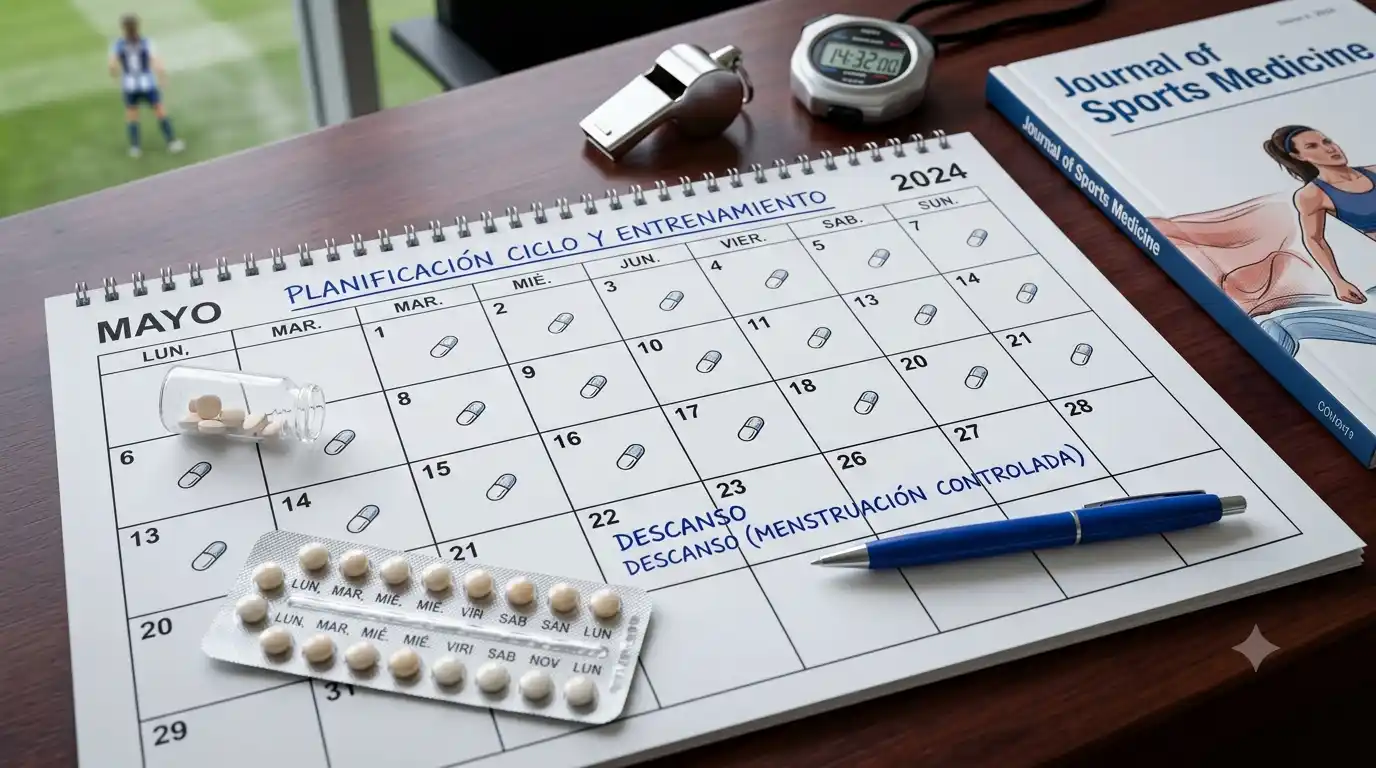
Does this affect performance? The available evidence is more reassuring than one might expect: most studies find no clear negative effects on muscle strength or performance tests, although there is somewhat contradictory data on body composition and maximal oxygen uptake (Martin & Elliott-Sale, 2016):
| Parameter | What the evidence says |
|---|---|
| Body composition | Contradictory data: some studies show increased mass/fat, others don't |
| Muscle strength | Most studies find no negative acute effects |
| Oxygen uptake (VO2max) | May be reduced, though less so in trained athletes |
| Performance tests | No clear acute effect appears to exist |
In short: taking the pill doesn't seem to harm performance across the board, but that's no guarantee it won't have any effect on a specific player. As with so much else in this article, the recommendation comes down to observing each player individually.
The silent risk that really matters: low energy availability
If there's one topic where science does have something solid to say, this is it. Energy availability (the energy left over for the body to function, once training expenditure is accounted for) is a key determinant of a football player's hormonal health.
When it drops below a certain threshold, the brain interprets that there aren't enough resources available and prioritizes energy expenditure for training, shutting down functions it considers "non-essential" in the short term, such as reproductive function:
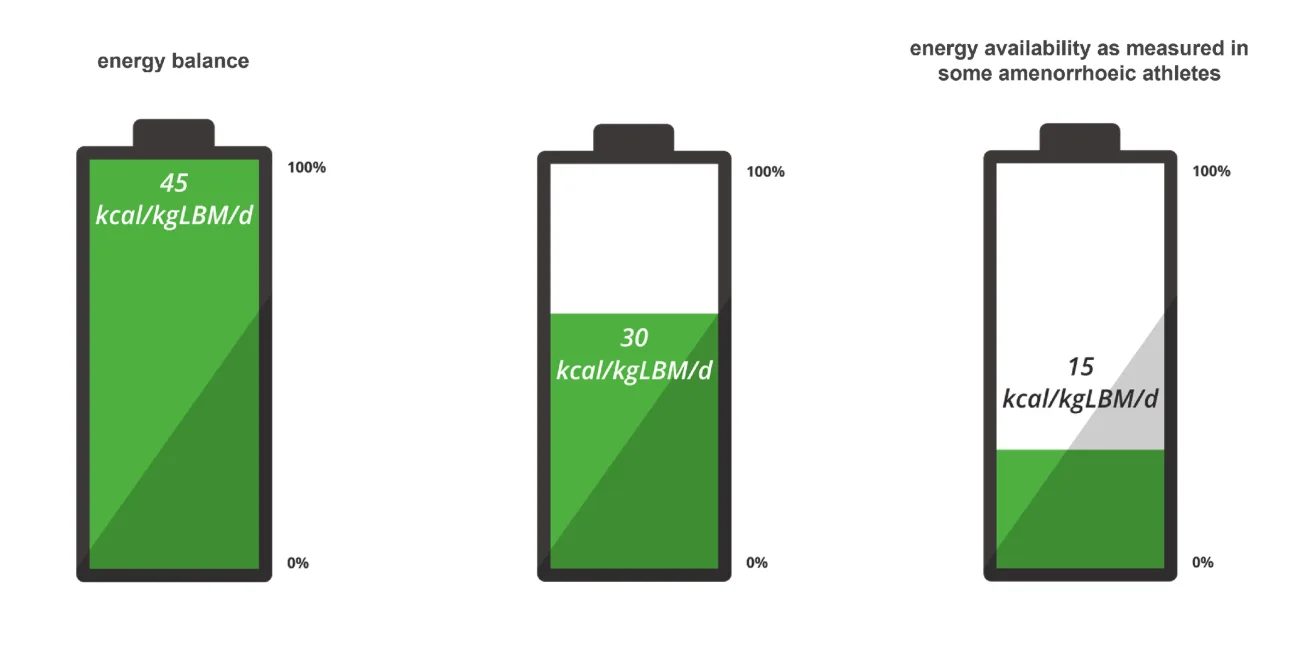
This is what's known as the Female Athlete Triad, now expanded into the concept of REDs (Relative Energy Deficiency in Sport). It affects bone and reproductive health, and has also been linked to worse performance, higher injury risk, and poorer recovery from training.
The clearest, most accessible warning sign for any coaching or medical staff is simple: if a player stops having her period and it's not because she's on hormonal contraceptives, it's time to pay attention.
| Energy availability | What happens |
|---|---|
| ~45 kcal/kg lean mass/day | Optimal level: regular menstrual cycle and good bone health |
| ~30 kcal/kg lean mass/day | Problems begin: cycle disturbances |
| ~15 kcal/kg lean mass/day | High risk: amenorrhea (loss of periods) |
And here's the catch: if the player is on the pill, that warning sign disappears, because the bleeding it causes doesn't reflect her natural cycle. This makes it, paradoxically, harder to detect the problem in footballers who use hormonal contraception.
What players actually feel, beyond the studies
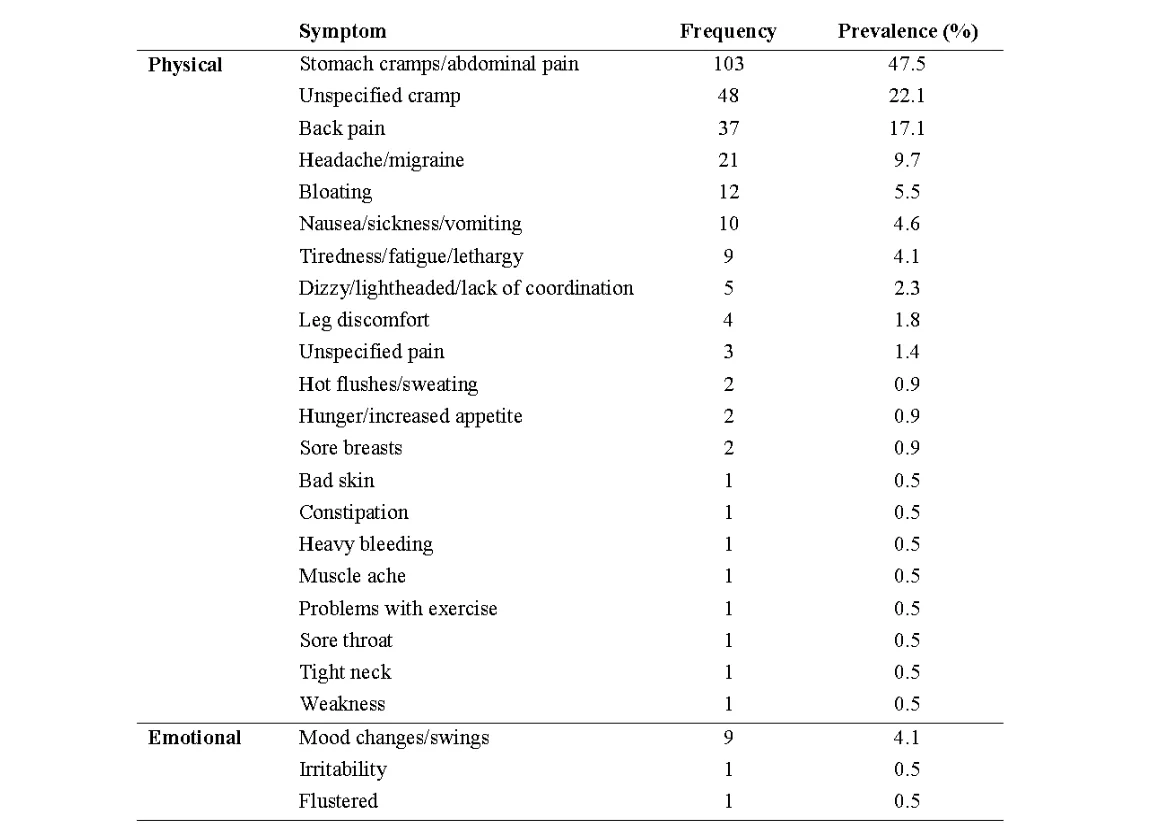
Beyond the physiology, one study surveyed elite athletes about which symptoms they noticed during the cycle. The most commonly reported were (Martin et al., 2018):
- Abdominal pain (47.5%)
- Cramps (22%)
- Back pain (17%)
- Mood changes
Among those using hormonal contraception, responses varied widely: while 7.5% reported weight gain as a negative effect, others highlighted benefits such as lighter or less painful periods.
The general data helps, but each player experiences the cycle (or contraception) differently. Simply asking her how she feels remains the single most valuable tool available.
What to eat: nutritional recommendations for footballers
Regardless of the cycle or contraception, there are some solid nutritional foundations worth getting right:
- Carbohydrates: 6-12 g/kg of body weight per day
- Protein: 1.2-2 g/kg of body weight per day, spread across several meals
- Key micronutrients: iron, calcium, zinc, vitamin B6, and folate
An example daily meal distribution for a 60 kg player could be: breakfast, mid-morning snack, lunch, mid-afternoon snack, evening snack, and dinner, spreading the total carbohydrate and protein intake (in this case, around 610g of carbs and 150g of protein) across those meals rather than concentrating it into 2-3 large ones.
So, should I train and eat "according to my phase"? Beware of trendy guidelines
It's easy to find guides on social media and blogs claiming to know exactly what to eat or how to train in each phase of the cycle. Based on everything covered in this article, the more honest answer is: there currently isn't enough evidence to give specific nutritional or training recommendations by cycle phase or type of contraception.
That doesn't mean the cycle doesn't matter, quite the opposite. It means the best strategy remains the same one as ever: fuel for the demands of the sport, feeding for the real demands of the sport, paying attention to each individual player above any generic guideline.
Powered by Froala Editor