Working as a doctor for a football team is one of the most demanding and specialised career paths within sports medicine. Behind every training session and match, there is essential medical work aimed at protecting players' health, preventing injuries and supporting their performance throughout the season.
Unlike other healthcare settings, football medicine requires an understanding of both athletes' clinical needs and the physical and competitive demands of the sport. A team doctor must be able to assess injuries, interpret a player's progress, coordinate with other specialists and participate in decisions that may affect their availability for training and competition.
But what do you need to study to work for a football club? What knowledge does a sports doctor need? And how can you access a professional high-performance environment? In this article, we explore the responsibilities, skills and training pathways that can help you build a career in football medicine.
The Responsibilities of a Doctor Within a Football Team
A football team doctor plays an essential role in planning and monitoring players' health. Their work is not limited to intervening when an injury occurs, but involves different stages of the season: from initial medical assessments to monitoring players and supporting their return to competition.
Their main responsibilities include the following:
Injury Diagnosis and Treatment
One of the main responsibilities is assessing injuries that occur during training sessions and matches. To do this, the doctor must carry out clinical examinations, interpret additional diagnostic tests and establish a diagnosis that allows the most appropriate treatment to be determined.
Muscle injuries, sprains, ligament injuries and tendon conditions are among the most common problems in football. Understanding their mechanisms, progression and potential complications is essential for making appropriate clinical decisions.
Monitoring Players' Health
The doctor also monitors the players' overall health. This includes medical examinations, reviewing medical histories, assessing potential health problems and monitoring any conditions that may affect their ability to train and compete.
This monitoring helps identify potential issues, tailor medical recommendations to each individual and anticipate situations that could compromise an athlete's health.
Injury Prevention and Risk Factor Management
Injury prevention requires an understanding of the individual and sporting factors that may increase the risk of injury. These include previous injuries, fatigue, muscular characteristics, training loads and recovery between physical efforts.
The doctor works alongside the rest of the sports department to interpret this information and contribute to the development of preventive strategies tailored to each player's needs.
Medical Care During Training Sessions and Matches
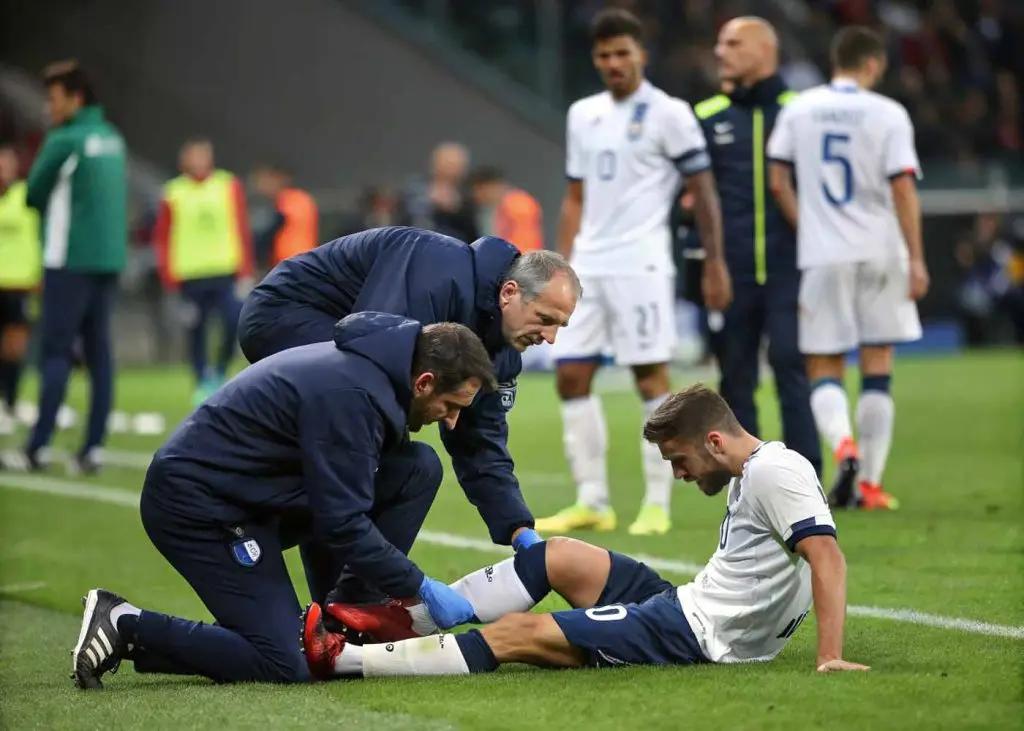
Training sessions and competitions can give rise to situations requiring immediate medical intervention. The doctor must be prepared to deal with trauma, acute injuries and potential medical emergencies, as well as understand the relevant response and evacuation protocols when necessary.
Organising medical care also involves ensuring that appropriate resources are available, coordinating the responsible personnel and establishing procedures for dealing with different scenarios.
Coordinating Recovery and Return to Competition
When a player sustains an injury, the doctor is involved in supervising the entire recovery process. Their responsibilities include assessing clinical progress, coordinating with physiotherapists and sports rehabilitation specialists, and participating in decisions regarding the player's progression towards training and competition.
Return to play should not depend solely on the disappearance of pain. It is necessary to assess functional recovery, load tolerance and the player's ability to meet the specific demands of their position and the sport itself.
The Medical Knowledge You Need to Work in Football
Working as a doctor for a football team requires developing knowledge that goes beyond general clinical medicine. High-performance sport requires an understanding of how the body responds to physical exertion, how injuries occur and which tools can be used to assess players' physical and functional progress.
Understanding football physiology and the factors that limit performance is one of the foundations of this training. Doctors need to understand the physiological responses that occur during a match, the effects of fatigue and the recovery processes that follow physical exertion. It is also important to interpret certain biomarkers and understand how they can provide information about an athlete's condition.
Monitoring training loads and preventing injuries is another fundamental skill. Monitoring internal and external loads makes it possible to analyse individual responses to training, identify potential overload situations and contribute to performance optimisation. This monitoring becomes particularly important during recovery processes and the gradual return to sporting activity.
Mastering medical, musculoskeletal and biomechanical assessment makes it possible to identify functional impairments and evaluate injury progression. To achieve this, it is useful to understand strength and endurance tests, functional assessments, movement analysis and medical imaging techniques applied to the musculoskeletal system.
Understanding the treatment and recovery of sports injuries is essential when dealing with the conditions most commonly found in football. This includes understanding the physiology of muscle and tendon repair, joint and ligament injuries, and the factors that influence clinical progression. It is also important to understand the possibilities offered by musculoskeletal ultrasound and other diagnostic tools, as well as their indications and limitations.
Planning sports rehabilitation and establishing return-to-competition criteria completes a large part of the required skill set. Doctors must understand how to progress from the initial stages of recovery to exposure to the demands of football, avoiding both a premature return and an unnecessary loss of physical fitness. To achieve this, they must coordinate with the professionals responsible for rehabilitation and reconditioning.
In addition, sports nutrition, hydration, recovery strategies and the organisation of medical care are complementary areas that help provide comprehensive care for football players.
How the Medical Department of a Football Club Works
In professional football, player care depends on the coordinated work of different specialists. The doctor is part of a multidisciplinary team in which each professional contributes their expertise to protect players' health and support their performance.
Understanding how these different areas work together is particularly important for any doctor who wants to develop their career within a football club.
Coordination with Physiotherapists and Sports Rehabilitation Specialists
The doctor establishes the diagnosis and monitors the player's clinical progress, while physiotherapists contribute to treatment and functional recovery. Sports rehabilitation specialists, in turn, work on the transition between rehabilitation and returning to the demands of sports training.
Communication between these professionals makes it possible to adapt interventions to each stage of the injury and share relevant information about the player's progress.
Collaboration with Strength and Conditioning Coaches and Nutritionists
Medical work is also connected to physical and nutritional planning. Strength and conditioning coaches provide information about training loads and demands, while nutritionists help adjust nutrition and recovery strategies to individual needs.
This collaboration is particularly relevant when a player is returning from an injury or needs to temporarily modify their activity.
Communication with Coaches and the Coaching Staff
The doctor must maintain clear communication with the head coach and the rest of the coaching staff to provide information about player availability, limitations and the necessary recommendations.
These decisions require a balance between sporting demands and the responsibility to protect the player's health. Medical information must also be handled in accordance with the athlete's confidentiality and privacy.
Monitoring and Decision-Making
Regular meetings, medical reports and individual player monitoring help maintain an up-to-date overview of the squad's situation. The objective is to ensure that decisions relating to health, recovery and sporting availability are based on information shared among the professionals involved.
What Should You Study to Become a Doctor for a Football Team?
The path to working as a doctor for a football team begins with a university degree in Medicine. However, entering this professional environment also requires developing specific knowledge of the sport, its injuries and the needs of high-performance athletes.
Medical Degree: The Foundation for Professional Practice
The first step is obtaining a degree in Medicine. This education provides the scientific and clinical knowledge needed to understand how the human body works, identify diseases, make diagnoses and establish treatments.
It is important to distinguish between the legal requirements for practising as a doctor and the additional training that allows you to focus your career on sports medicine. Qualifications and specialist training programmes do not replace the professional licensing requirements established in each country.
Specialisation and Training in Sports Medicine
Once university education has been completed, there are different pathways for gaining further knowledge in sports medicine. The choice will depend on each doctor's academic background, professional requirements and career objectives.
This training allows professionals to develop their knowledge in areas such as exercise physiology, musculoskeletal conditions, injury prevention, functional assessment and athlete recovery.
Specialised Training in Football Medicine
Sports medicine covers numerous disciplines and sporting activities, but football has its own specific characteristics that make training focused on this sport particularly valuable.
Understanding the physical demands of competition, the most common injuries, sports rehabilitation processes and the organisation of medical departments provides a much clearer perspective on the realities of working within a football club.
In this regard, FSI Training's Master's Degree in Sports Medicine for Football Teams offers training aimed at professionals who want to develop their knowledge of the specific medical and sporting requirements of this discipline.
One of the relevant aspects of this type of training is the opportunity to learn from lecturers and specialists connected to the industry, with experience and expertise in football. Learning from professionals who understand the demands of high-performance environments helps bring academic content closer to real professional situations.
Scientific Updates and Continuing Professional Development
Sports medicine is constantly evolving. New assessment tools, training methodologies, treatment techniques and research studies continue to emerge, helping us better understand injuries and recovery processes.
For this reason, staying up to date through scientific publications, conferences, professional events and continuing education programmes is an important part of the development of any doctor who wants to work in football.
How to Enter the Professional World of Football
Securing a professional opportunity at a football club requires more than academic qualifications. Medical knowledge provides the foundation, but gaining experience, understanding how sports teams operate and building relationships with professionals already working in this environment are also important.
Gaining Clinical and Sporting Experience
Clinical experience helps develop assessment skills, diagnostic reasoning and decision-making abilities. Complementing it with sports-related experience helps doctors better understand football players' needs and the specific demands of working within a team.
Experiencing different sporting environments, from grassroots football to high-performance settings, also helps broaden professional perspectives and understand how medical needs change depending on the level of competition and available resources.
Getting First-Hand Experience in High-Performance Environments
Contact with football clubs and sporting organisations makes it possible to observe how daily work is organised, how departments coordinate and how medical knowledge is applied in real-life situations.
Work placements can be a particularly interesting way to gain access to these environments, understand their dynamics and connect the knowledge acquired during training with professional practice. Conditions, available places and availability will depend on each programme and its partner clubs.
Building a Professional Network
Networking is another important element in developing a career in football. It involves establishing professional relationships with people in the industry, sharing knowledge and maintaining contact with specialists working in different areas of sport.
Taking part in training programmes, conferences, professional events and industry activities makes it easier to meet doctors, physiotherapists, strength and conditioning coaches, sports rehabilitation specialists and other professionals. These relationships provide opportunities to exchange experiences, discover new perspectives and gain a better understanding of the sports industry.
In this regard, being part of a training environment connected to football professionals can provide additional value. It is not simply about receiving educational content, but also about sharing experiences and building relationships with people working in the industry.
Taking Part in Industry Training and Events
Conferences, seminars and specialised events provide opportunities to discover new research, methodologies and professional experiences. They are also spaces where conversations and exchanges take place, helping professionals shape their career development.
Continuing professional development is particularly relevant in a field where scientific evidence and working tools evolve rapidly.
Exploring Different Career Opportunities
Medical work related to football is not limited to the first teams of professional clubs. There are different environments in which professionals can gain experience and apply the knowledge they have acquired:
- Grassroots football: medical care and monitoring of players during their development stages.
- Academies and high-performance centres: working with athletes throughout their development and improvement processes.
- Semi-professional clubs: contributing to sporting organisations with specific medical needs.
- Professional clubs: joining medical departments with multidisciplinary teams and specialised structures.
- Sports medicine centres: assessing, diagnosing and treating athletes from different sporting disciplines.
Every professional's career path will be different. Developing specialised knowledge, gaining experience and maintaining contact with the industry can therefore help identify opportunities and progressively move towards professional goals.
Training, Experience and Professional Connections: Three Pillars for Building a Career in Football
At FSI Training, we understand that preparing to work in football involves much more than studying theoretical content. That is why our educational approach combines specialised knowledge, learning from professionals connected to the industry and opportunities to establish contact with sporting environments.
The Master's Degree in Sports Medicine for Football Teams is designed for those who want to develop their understanding of the medical demands of this sport and gain first-hand insight into the working methodologies and dynamics of football teams.
In addition to the quality of its content and teaching staff, FSI Training is committed to creating a professional ecosystem where students can share experiences, build connections and gain exposure to different areas of the sports industry.
Work placement opportunities at partner clubs, subject to availability and programme conditions, can complement the learning experience and provide a closer insight into how high-performance environments operate.
Discover FSI Training's programmes and find out how to develop your knowledge of sports medicine applied to football.
Frequently Asked Questions About Becoming a Doctor for a Football Team
Do You Need to Specialise in Sports Medicine to Work for a Football Team?
There is no single professional pathway that applies to every position and country. Requirements will depend on the applicable legislation and the responsibilities of the role. In any case, having a background in sports medicine and specific knowledge of football can help develop the skills needed to work in this environment.
Can a General Practitioner Work for a Football Team?
A doctor with the appropriate qualifications and professional licensing can work in different healthcare and sporting environments, provided they operate within the limits of their professional competencies and applicable requirements. To work for a football team, it is advisable to complement medical training with knowledge of exercise physiology, sports injuries, injury prevention and sports rehabilitation.
What Injuries Should a Football Doctor Know How to Treat?
Some of the most common injuries include muscle injuries, particularly those affecting the hamstrings, quadriceps and adductors, as well as sprains, ligament injuries, tendon conditions and trauma. Doctors should also understand injuries affecting the spine, pelvis, hip, groin, knee, ankle and foot, as well as injuries to the upper body.
What Is the Difference Between a Sports Doctor and a Team Doctor?
Sports medicine is a broad field that addresses the health and medical needs of people who engage in physical activity and sport. A team doctor, in addition to their medical knowledge, works within a specific sporting organisation and must coordinate with other professionals, address players' needs and participate in decisions related to their availability for training and competition.
Where Can a Doctor Specialised in Football Work?
They can work in grassroots football clubs, academies, development centres, semi-professional teams, professional clubs and specialised sports medicine centres. Opportunities will depend on qualifications, experience, job requirements and the needs of each organisation.
Develop Your Professional Future in Football Medicine
Becoming a doctor for a football team requires a solid medical foundation, specialised knowledge of the sport and the ability to work in a multidisciplinary environment. Understanding injuries, interpreting the body's responses to physical exertion and participating in recovery processes are essential skills for this profession.
Specialised training, contact with experienced professionals and the opportunity to gain first-hand insight into how football clubs operate can help you build a career focused on football.
If you want to develop your knowledge in this field and understand the medical demands of high-performance football, discover FSI Training's Master's Degree in Sports Medicine for Football Teams.
Powered by Froala Editor